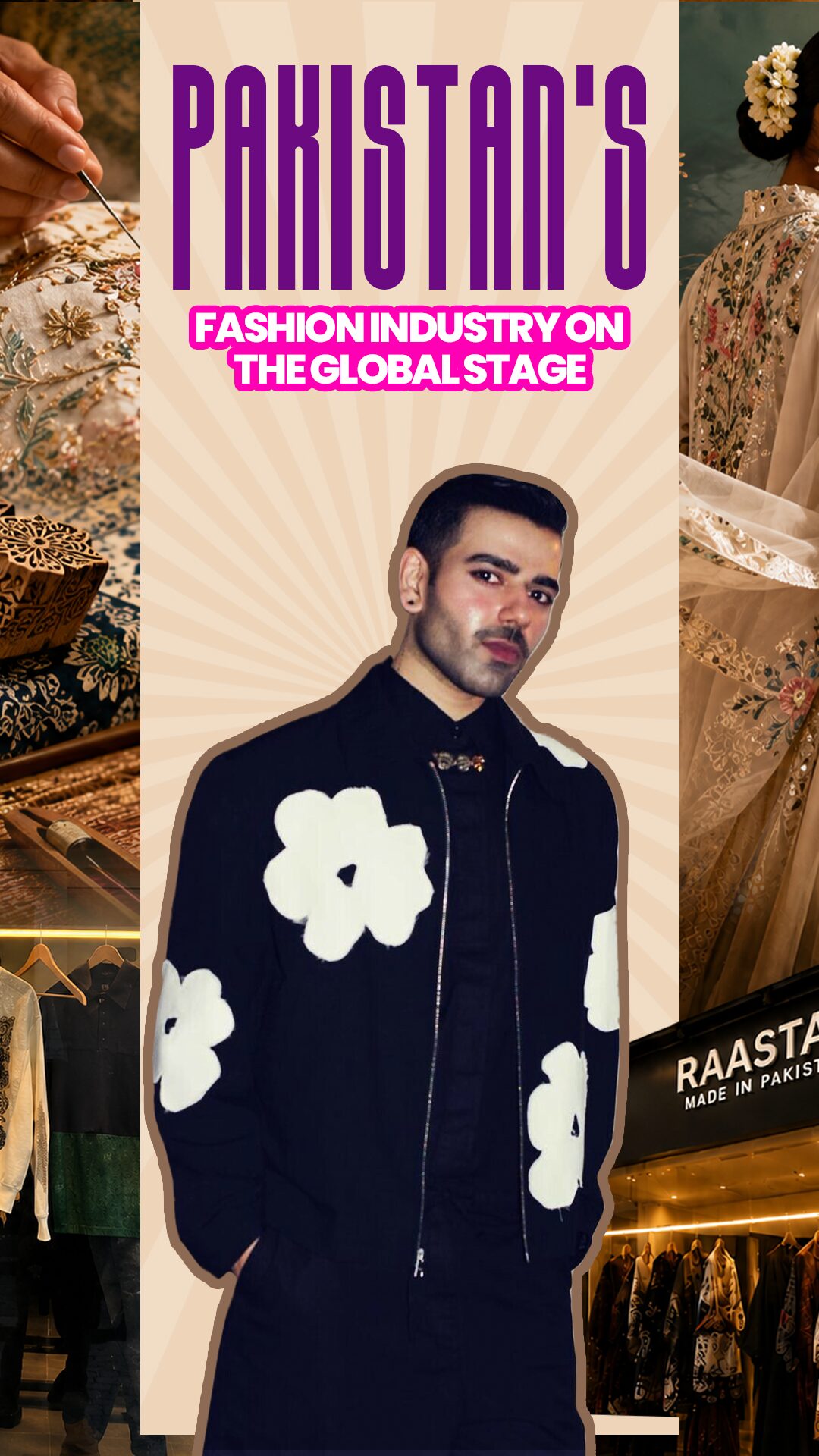
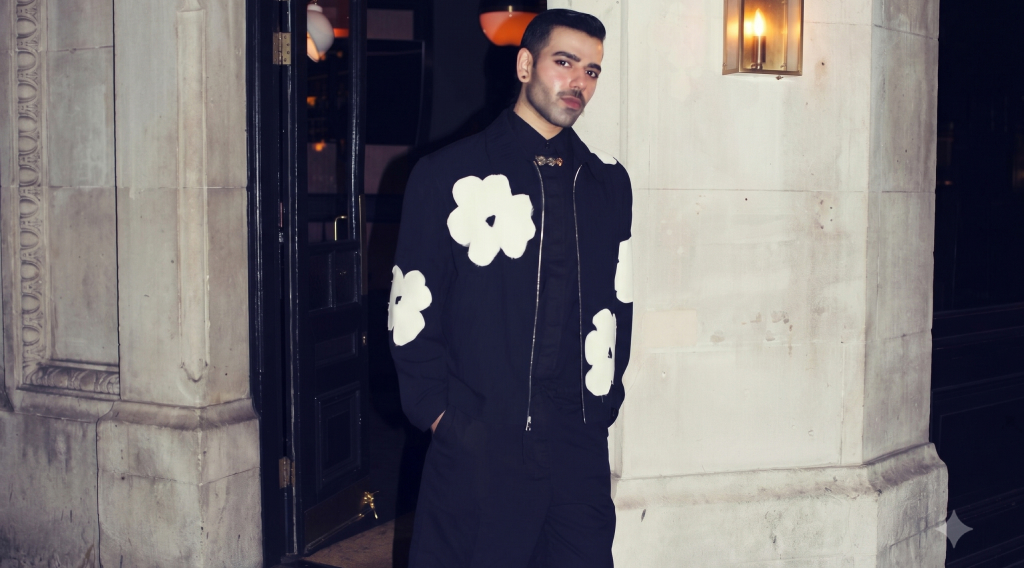
Pakistani couture designers are increasingly gaining recognition on international fashion platforms for their ability to combine traditional artistry with contemporary design.
Designers such as Hussain Rehar have become known for creating collections that celebrate South Asian craftsmanship while appealing to modern global audiences.
Their work often incorporates intricate embroidery, hand embellishments, luxurious fabrics, and culturally inspired motifs, reflecting the rich heritage of Pakistani textile traditions.

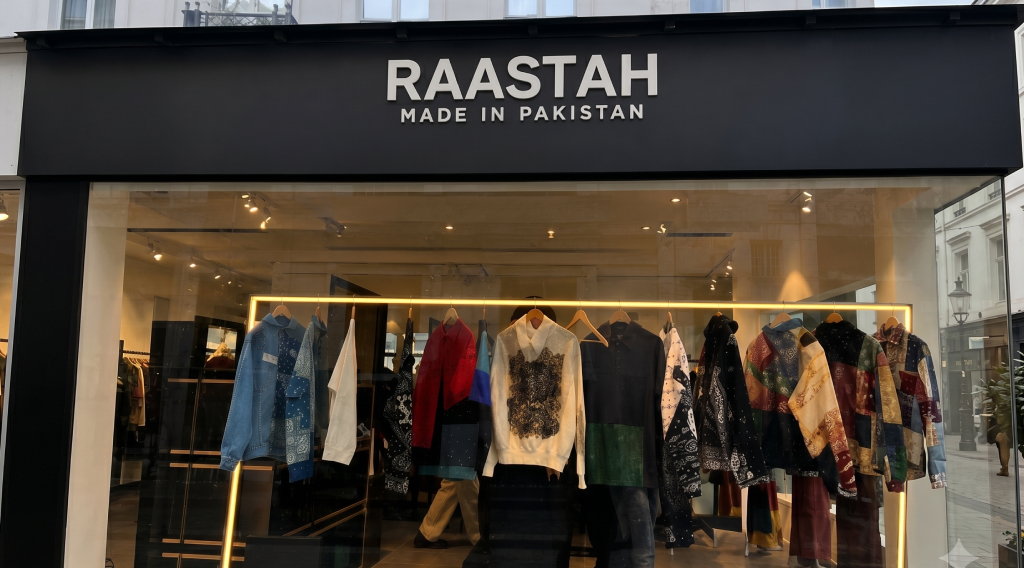
Alongside the success of couture fashion, Pakistan’s streetwear scene has emerged as an influential force in contemporary fashion culture.
Brands such as Rastah are helping reshape perceptions of South Asian fashion by combining global streetwear aesthetics with local cultural influences.
Their collections often feature oversized silhouettes, graphic artwork, traditional textiles, and storytelling elements that reflect regional identities.
This fusion of heritage and modern design has resonated strongly with younger audiences both in Pakistan and internationally.
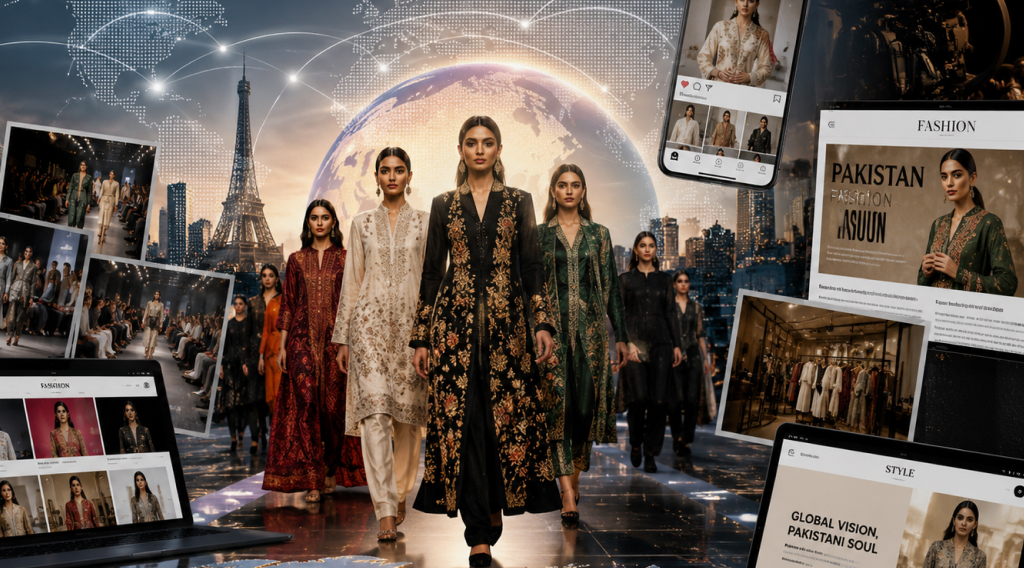
Pakistani designers are increasingly engaging with international fashion ecosystems through runway presentations, collaborative projects, and global creative campaigns.
Their participation in international events provides opportunities to showcase their work to diverse audiences and industry professionals worldwide. The rise of digital platforms has further accelerated this visibility.
Social media, online fashion publications, influencer collaborations, and e-commerce channels now allow designers to reach consumers across continents without relying solely on traditional fash
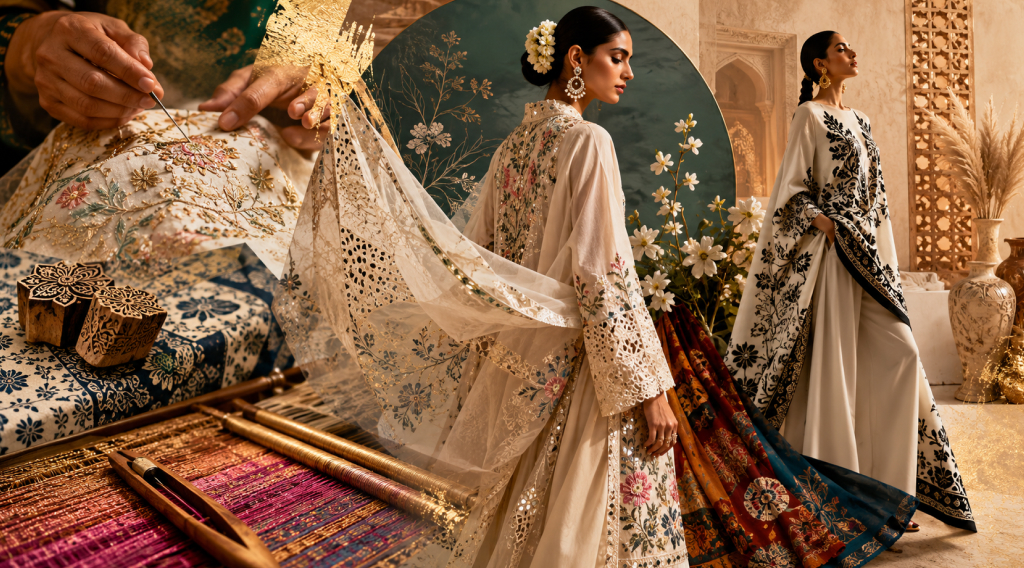
One of the defining strengths of Pakistani fashion is its deep connection to textile heritage and traditional craftsmanship.
Techniques such as hand embroidery, block printing, weaving, mirror work, and artisanal embellishment remain central to many contemporary collections.
Rather than simply preserving these traditions, designers are finding innovative ways to reinterpret them for modern audiences.
Heritage elements are being incorporated into minimalist, contemporary, and experimental designs that appeal to both Eastern and Western consumers.
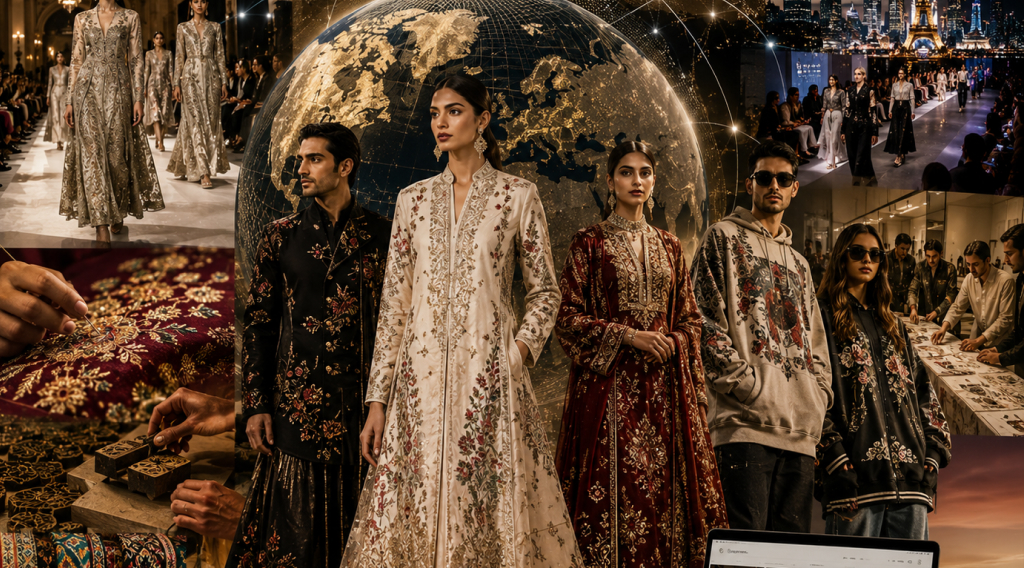
Pakistani fashion is increasingly becoming part of the global design conversation, moving beyond regional recognition to establish a stronger international presence.
Designers across couture, luxury, and streetwear segments are demonstrating how cultural heritage can inspire innovative and contemporary fashion.
By combining traditional craftsmanship with modern aesthetics, they are helping reshape international perceptions of South Asian creativity and design. Their work reflects both cultural pride and a willingness to experiment with new ideas and trends.
Pakistani couture designers are increasingly gaining recognition on international fashion platforms for their ability to combine traditional artistry with contemporary design.
Pakistani couture designers are increasingly gaining recognition on international fashion platforms for their ability to combine traditional artistry with contemporary design.
Designers such as Hussain Rehar have become known for creating collections that celebrate South Asian craftsmanship while appealing to modern global audiences.
Their work often incorporates intricate embroidery, hand embellishments, luxurious fabrics, and culturally inspired motifs, reflecting the rich heritage of Pakistani textile traditions.
Alongside the success of couture fashion, Pakistan’s streetwear scene has emerged as an influential force in contemporary fashion culture.
Brands such as Rastah are helping reshape perceptions of South Asian fashion by combining global streetwear aesthetics with local cultural influences.
Their collections often feature oversized silhouettes, graphic artwork, traditional textiles, and storytelling elements that reflect regional identities.
This fusion of heritage and modern design has resonated strongly with younger audiences both in Pakistan and internationally.
Pakistani designers are increasingly engaging with international fashion ecosystems through runway presentations, collaborative projects, and global creative campaigns.
Their participation in international events provides opportunities to showcase their work to diverse audiences and industry professionals worldwide. The rise of digital platforms has further accelerated this visibility.
Social media, online fashion publications, influencer collaborations, and e-commerce channels now allow designers to reach consumers across continents without relying solely on traditional fash
One of the defining strengths of Pakistani fashion is its deep connection to textile heritage and traditional craftsmanship.
Techniques such as hand embroidery, block printing, weaving, mirror work, and artisanal embellishment remain central to many contemporary collections.
Rather than simply preserving these traditions, designers are finding innovative ways to reinterpret them for modern audiences.
Heritage elements are being incorporated into minimalist, contemporary, and experimental designs that appeal to both Eastern and Western consumers.
Pakistani fashion is increasingly becoming part of the global design conversation, moving beyond regional recognition to establish a stronger international presence.
Designers across couture, luxury, and streetwear segments are demonstrating how cultural heritage can inspire innovative and contemporary fashion.
By combining traditional craftsmanship with modern aesthetics, they are helping reshape international perceptions of South Asian creativity and design. Their work reflects both cultural pride and a willingness to experiment with new ideas and trends.



