

Pakistani television dramas have a strong influence on public perceptions of emotional wellbeing and psychological conditions.
Some shows dramatize mental illness, while others attempt to portray it in a more realistic and responsible way.These dramas contribute to raising awareness about mental health challenges, encouraging viewers to understand emotional struggles more deeply.
They also help reduce stigma by normalizing conversations around therapy, trauma, and psychological care. By presenting relatable characters and situations, they support public dialogue on mental hea


“Ishq Zahe Naseeb” is widely recognized for its portrayal of Dissociative Identity Disorder, focusing on a character who experiences deep psychological trauma. The storyline presents complex emotional struggles linked to identity fragmentation.
The drama explores how childhood trauma and emotional distress can influence personality development over time. It avoids oversimplification and instead presents a layered depiction of mental health challenges.
Through its narrative, the show highlights the importance of understanding psychological conditions with sensitivity.

“Yeh Dil Mera” focuses on how past trauma shapes present emotional behavior and psychological responses. The drama connects unresolved experiences with fear, memory disturbances, and emotional instability.
It shows how trauma can deeply influence relationships, trust, and decision-making patterns over time. The storyline highlights the long-term effects of psychological distress on everyday life.
By presenting these struggles, the drama emphasizes the importance of addressing emotional wounds and understanding how past experiences continue to affect mental wellbeing.
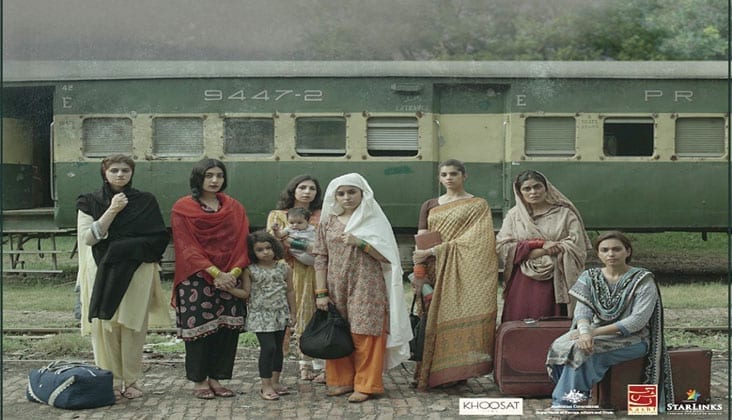
“Aakhri Station” presents multiple stories of women facing emotional distress, abuse, and mental health challenges. Each episode highlights different forms of psychological struggle shaped by personal and social circumstances.
The drama emphasizes how societal pressure, lack of awareness, and limited support systems can worsen mental health conditions. It reflects the harsh realities faced by many individuals in vulnerable situations.
Overall, the series highlights the importance of empathy, awareness, and accessible mental health support in addressing emotional suffering.

“Saraab” portrays schizophrenia through the character of Hoorain, showing symptoms such as hallucinations, confusion, and distorted perception of reality. The drama attempts to depict the condition from a psychological perspective.
It also highlights how mental illness is often misunderstood in society, leading to stigma and misjudgment of patients. Instead of support, individuals may face isolation or discrimination.
The storyline emphasizes the need for awareness, proper medical treatment, and compassionate understanding of mental health conditions.
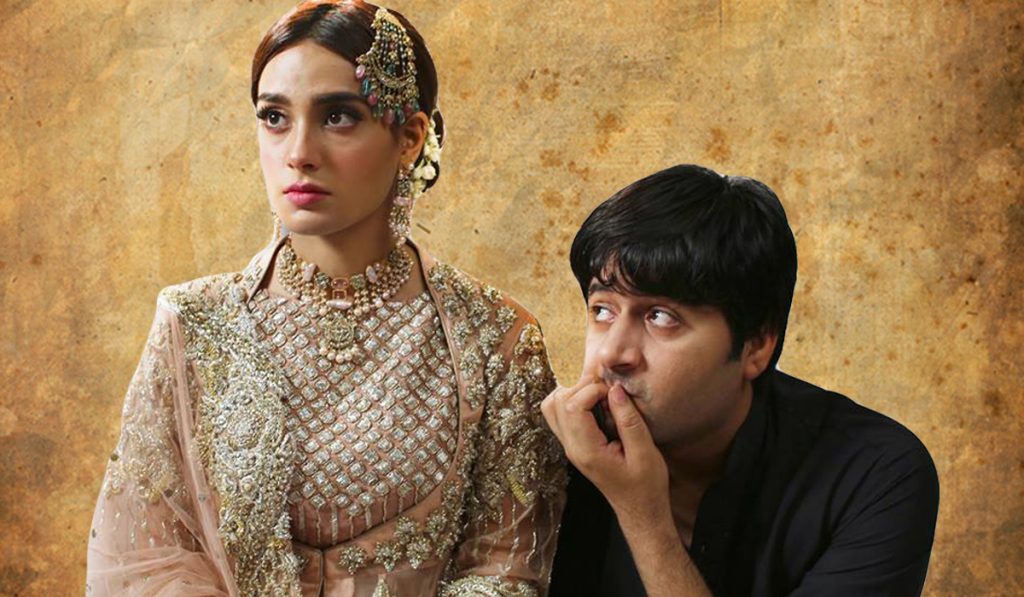
“Ranjha Ranjha Kardi” explores emotional trauma, poverty, and psychological distress through its central character, Noori. The drama highlights how painful life experiences, social rejection, and economic inequality deeply influence a person’s mental and emotional health.
Through Noori’s struggles, the story presents a realistic portrayal of how continuous hardship, discrimination, and the absence of emotional support can damage self-esteem and psychological wellbeing.
It also emphasizes the importance of compassion, understanding, and social acceptance in helping individuals

Sabaat explores how unresolved emotional wounds, personal insecurities, and ego-driven behavior can affect relationships and mental wellbeing.
Through its characters, the drama highlights the psychological impact of pride, loss, and emotional conflict.
The story focuses on personal growth and self-awareness, showing how individuals can evolve when they confront their flaws and past experiences.
It presents emotional healing as a gradual process that requires reflection, empathy, and resilience.
Pakistani television dramas have a strong influence on public perceptions of emotional wellbeing and psychological conditions.
Pakistani television dramas have a strong influence on public perceptions of emotional wellbeing and psychological conditions.
Some shows dramatize mental illness, while others attempt to portray it in a more realistic and responsible way.These dramas contribute to raising awareness about mental health challenges, encouraging viewers to understand emotional struggles more deeply.
They also help reduce stigma by normalizing conversations around therapy, trauma, and psychological care. By presenting relatable characters and situations, they support public dialogue on mental hea
“Ishq Zahe Naseeb” is widely recognized for its portrayal of Dissociative Identity Disorder, focusing on a character who experiences deep psychological trauma. The storyline presents complex emotional struggles linked to identity fragmentation.
The drama explores how childhood trauma and emotional distress can influence personality development over time. It avoids oversimplification and instead presents a layered depiction of mental health challenges.
Through its narrative, the show highlights the importance of understanding psychological conditions with sensitivity.
“Yeh Dil Mera” focuses on how past trauma shapes present emotional behavior and psychological responses. The drama connects unresolved experiences with fear, memory disturbances, and emotional instability.
It shows how trauma can deeply influence relationships, trust, and decision-making patterns over time. The storyline highlights the long-term effects of psychological distress on everyday life.
By presenting these struggles, the drama emphasizes the importance of addressing emotional wounds and understanding how past experiences continue to affect mental wellbeing.
“Aakhri Station” presents multiple stories of women facing emotional distress, abuse, and mental health challenges. Each episode highlights different forms of psychological struggle shaped by personal and social circumstances.
The drama emphasizes how societal pressure, lack of awareness, and limited support systems can worsen mental health conditions. It reflects the harsh realities faced by many individuals in vulnerable situations.
Overall, the series highlights the importance of empathy, awareness, and accessible mental health support in addressing emotional suffering.
“Saraab” portrays schizophrenia through the character of Hoorain, showing symptoms such as hallucinations, confusion, and distorted perception of reality. The drama attempts to depict the condition from a psychological perspective.
It also highlights how mental illness is often misunderstood in society, leading to stigma and misjudgment of patients. Instead of support, individuals may face isolation or discrimination.
The storyline emphasizes the need for awareness, proper medical treatment, and compassionate understanding of mental health conditions.
“Ranjha Ranjha Kardi” explores emotional trauma, poverty, and psychological distress through its central character, Noori. The drama highlights how painful life experiences, social rejection, and economic inequality deeply influence a person’s mental and emotional health.
Through Noori’s struggles, the story presents a realistic portrayal of how continuous hardship, discrimination, and the absence of emotional support can damage self-esteem and psychological wellbeing.
It also emphasizes the importance of compassion, understanding, and social acceptance in helping individuals
Sabaat explores how unresolved emotional wounds, personal insecurities, and ego-driven behavior can affect relationships and mental wellbeing.
Through its characters, the drama highlights the psychological impact of pride, loss, and emotional conflict.
The story focuses on personal growth and self-awareness, showing how individuals can evolve when they confront their flaws and past experiences.
It presents emotional healing as a gradual process that requires reflection, empathy, and resilience.