Abdul El-Sayed Makes History As America’s First Muslim Senator
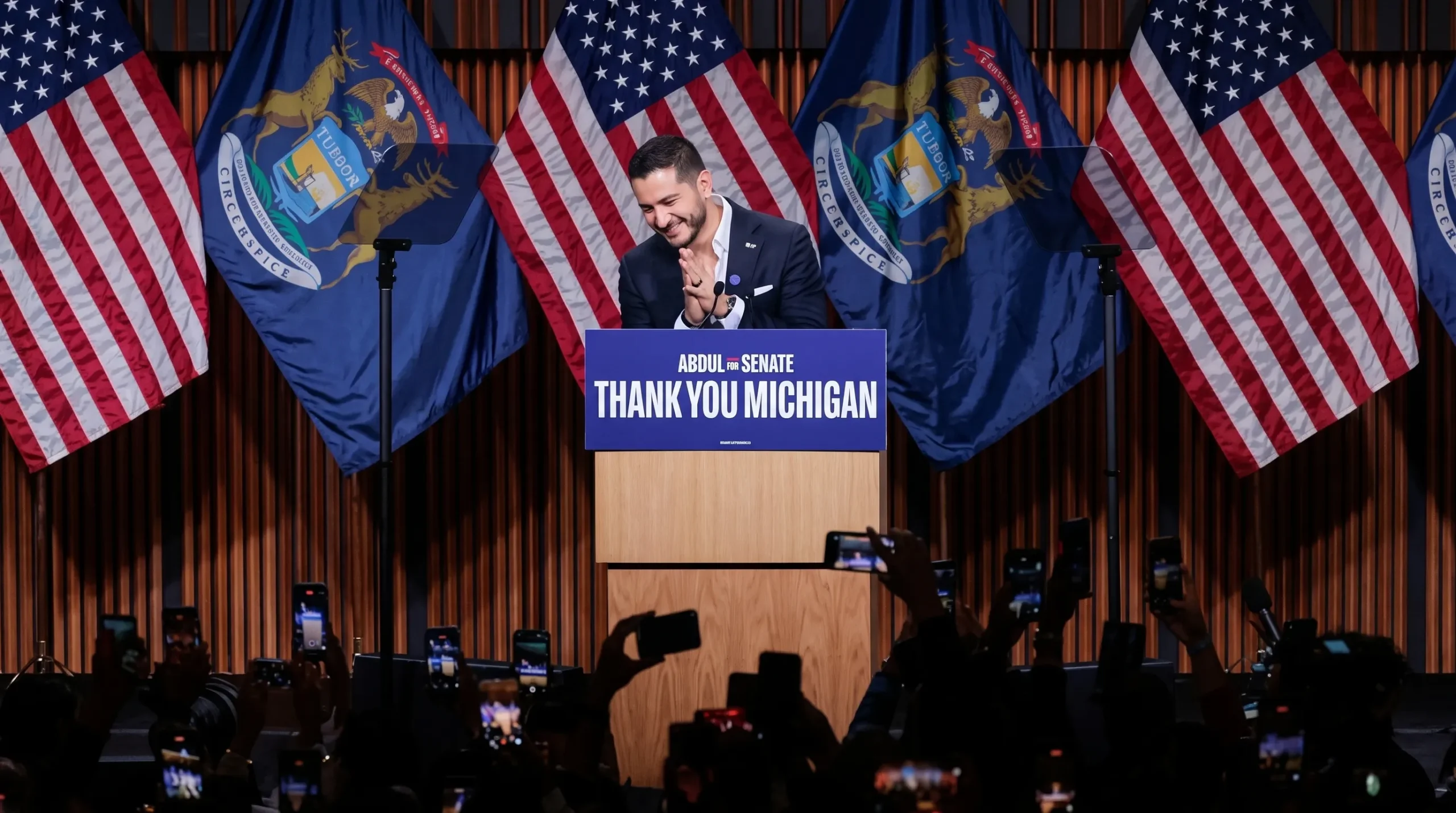
Abdul El-Sayed, a 42-year-old Democrat of Egyptian descent, has made history by becoming the first Muslim elected to the United States Senate. He defeated Republican candidate Mike Rogers in Michigan's closely watched midterm elections, marking a significant milestone for Muslim representation in American politics.
A physician and former public health official, El-Sayed built his campaign around affordable healthcare, economic equality and policies that prioritise ordinary Americans. His victory carries particular significance for Muslim communities, who have long sought greater representation in some of America's highest political institutions.

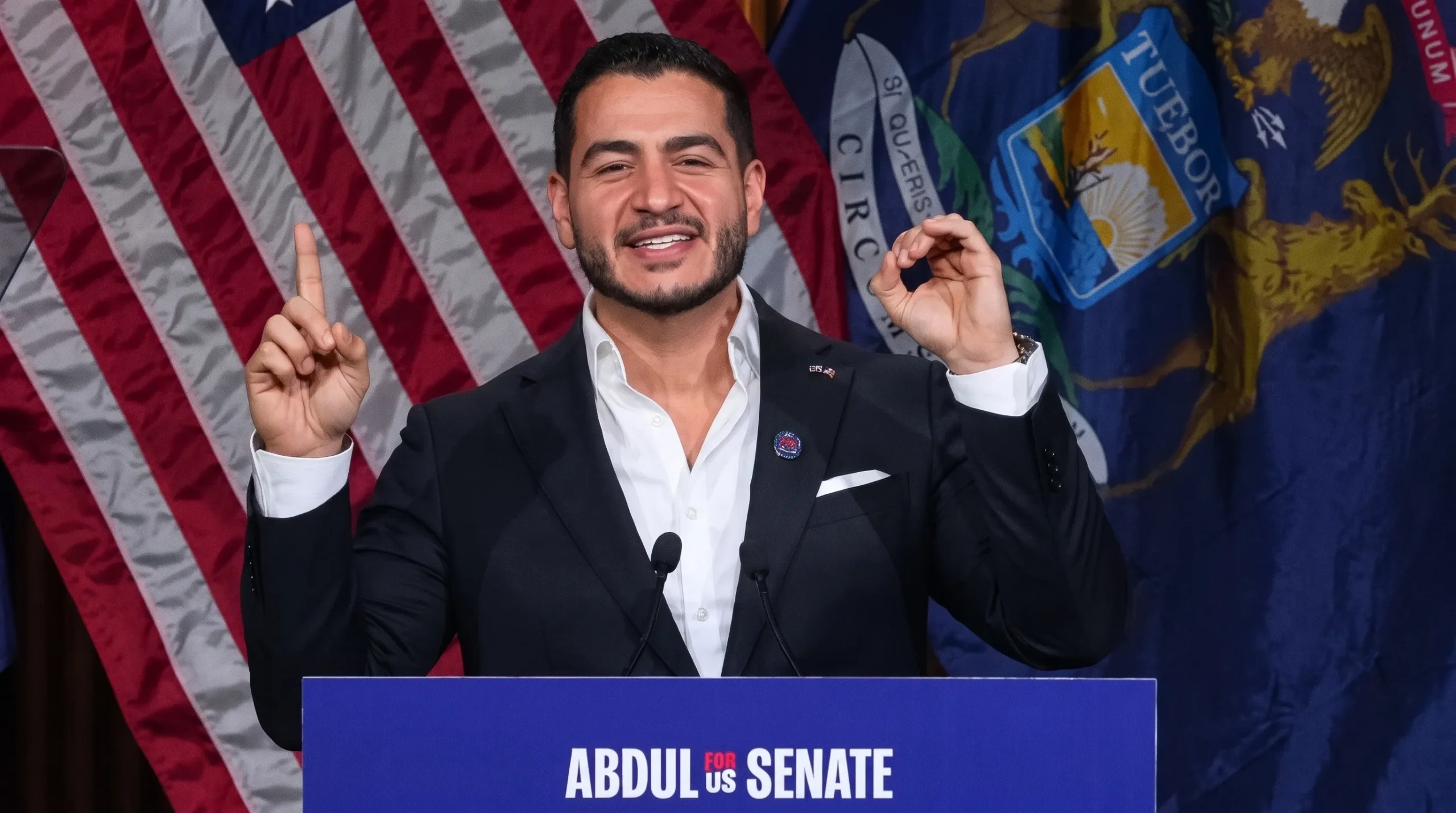
El-Sayed's electoral victory came after a challenging campaign in which his Muslim identity and Egyptian heritage became targets of political attacks.
President Donald Trump repeatedly mocked his name and labelled him a jihadist, while Vice President JD Vance also made controversial remarks about him.
Rather than allowing the controversy to define his campaign, El-Sayed continued focusing on healthcare, rising living costs and equal rights. His message resonated with voters in Michigan, where he secured approximately 52% of the vote against his Republican opponent.
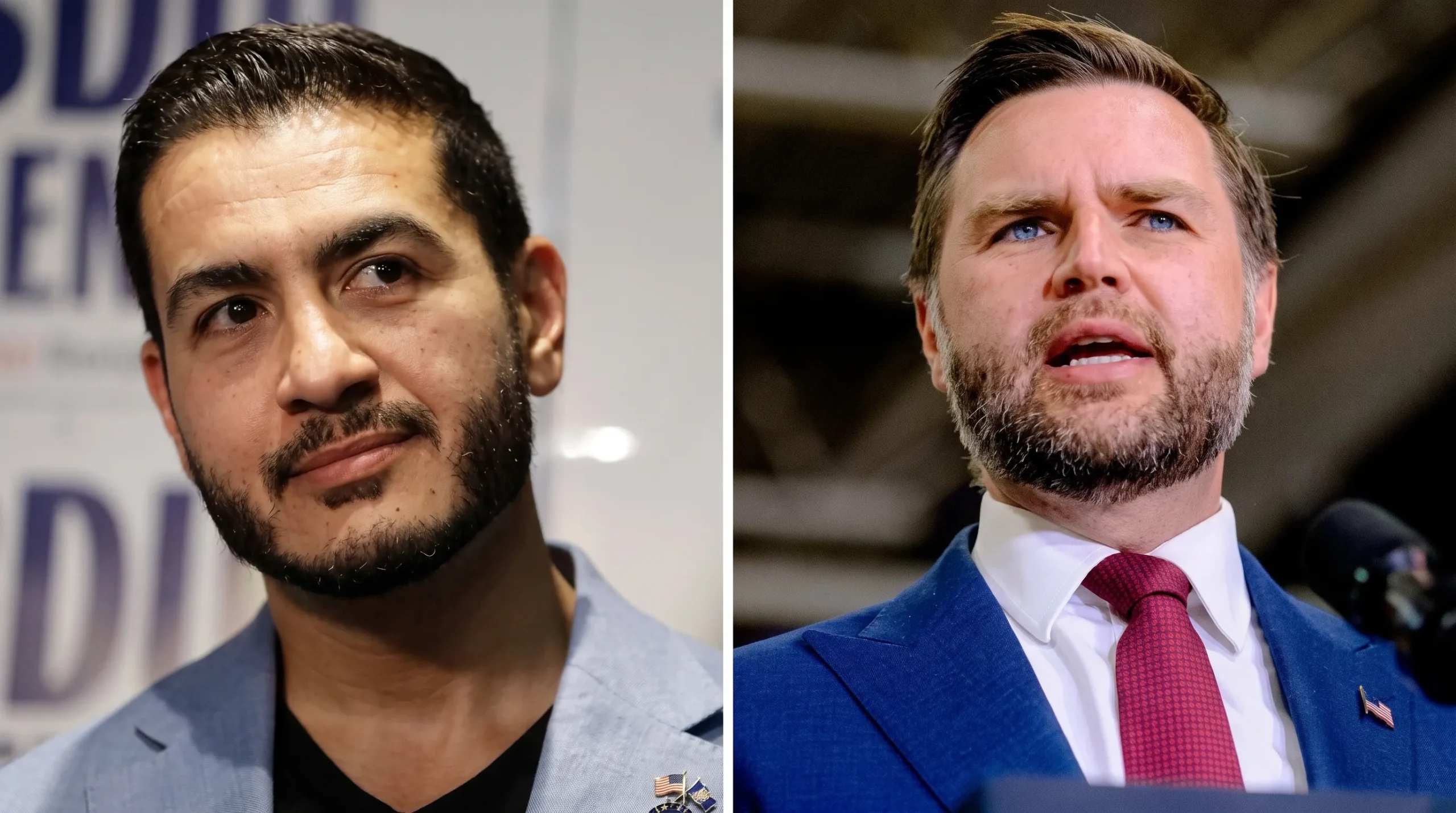
Celebrating his victory, El-Sayed delivered a pointed message to Vice President JD Vance, reminding him that he would be constitutionally required to administer the oath of office to incoming senators in January.
Addressing him as Habibi, an Arabic expression of affection, El-Sayed remarked that it was ironic that someone who had criticised him would now have to swear him into the Senate. He also jokingly told President Trump that he could simply address him as Senator.
His victory represents more than an individual political achievement. For many Muslim Americans, it is a historic moment of representation, visibility and belonging.
Abdul El-Sayed, a 42-year-old Democrat of Egyptian descent, has made history by becoming the first Muslim elected to the United States Senate.
Abdul El-Sayed, a 42-year-old Democrat of Egyptian descent, has made history by becoming the first Muslim elected to the United States Senate. He defeated Republican candidate Mike Rogers in Michigan's closely watched midterm elections, marking a significant milestone for Muslim representation in American politics.
A physician and former public health official, El-Sayed built his campaign around affordable healthcare, economic equality and policies that prioritise ordinary Americans. His victory carries particular significance for Muslim communities, who have long sought greater representation in some of America's highest political institutions.
El-Sayed's electoral victory came after a challenging campaign in which his Muslim identity and Egyptian heritage became targets of political attacks.
President Donald Trump repeatedly mocked his name and labelled him a jihadist, while Vice President JD Vance also made controversial remarks about him.
Rather than allowing the controversy to define his campaign, El-Sayed continued focusing on healthcare, rising living costs and equal rights. His message resonated with voters in Michigan, where he secured approximately 52% of the vote against his Republican opponent.
Celebrating his victory, El-Sayed delivered a pointed message to Vice President JD Vance, reminding him that he would be constitutionally required to administer the oath of office to incoming senators in January.
Addressing him as Habibi, an Arabic expression of affection, El-Sayed remarked that it was ironic that someone who had criticised him would now have to swear him into the Senate. He also jokingly told President Trump that he could simply address him as Senator.
His victory represents more than an individual political achievement. For many Muslim Americans, it is a historic moment of representation, visibility and belonging.



