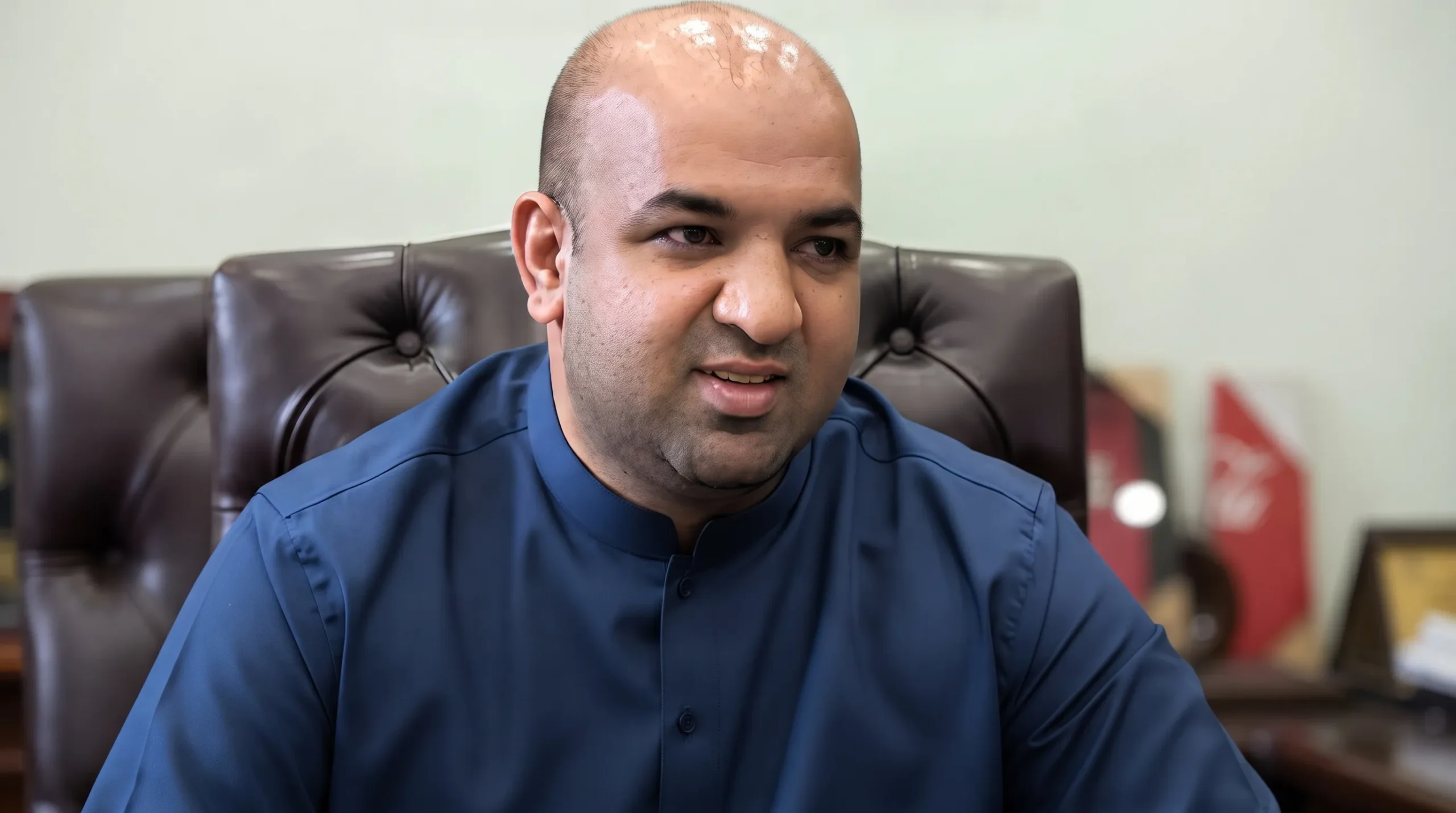
A video featuring Punjab Education Minister Rana Sikander Hayat has triggered an online debate about the way women are treated in public. The footage reportedly shows him recording two women travelling on a scooter, leading to criticism over whether they had agreed to be filmed.
The reaction has shifted attention beyond the video itself to a broader question: does being out in public mean someone has given up their right to privacy? For many viewers, the incident has renewed concerns about women being placed in uncomfortable situations without having a say in how they are portrayed.

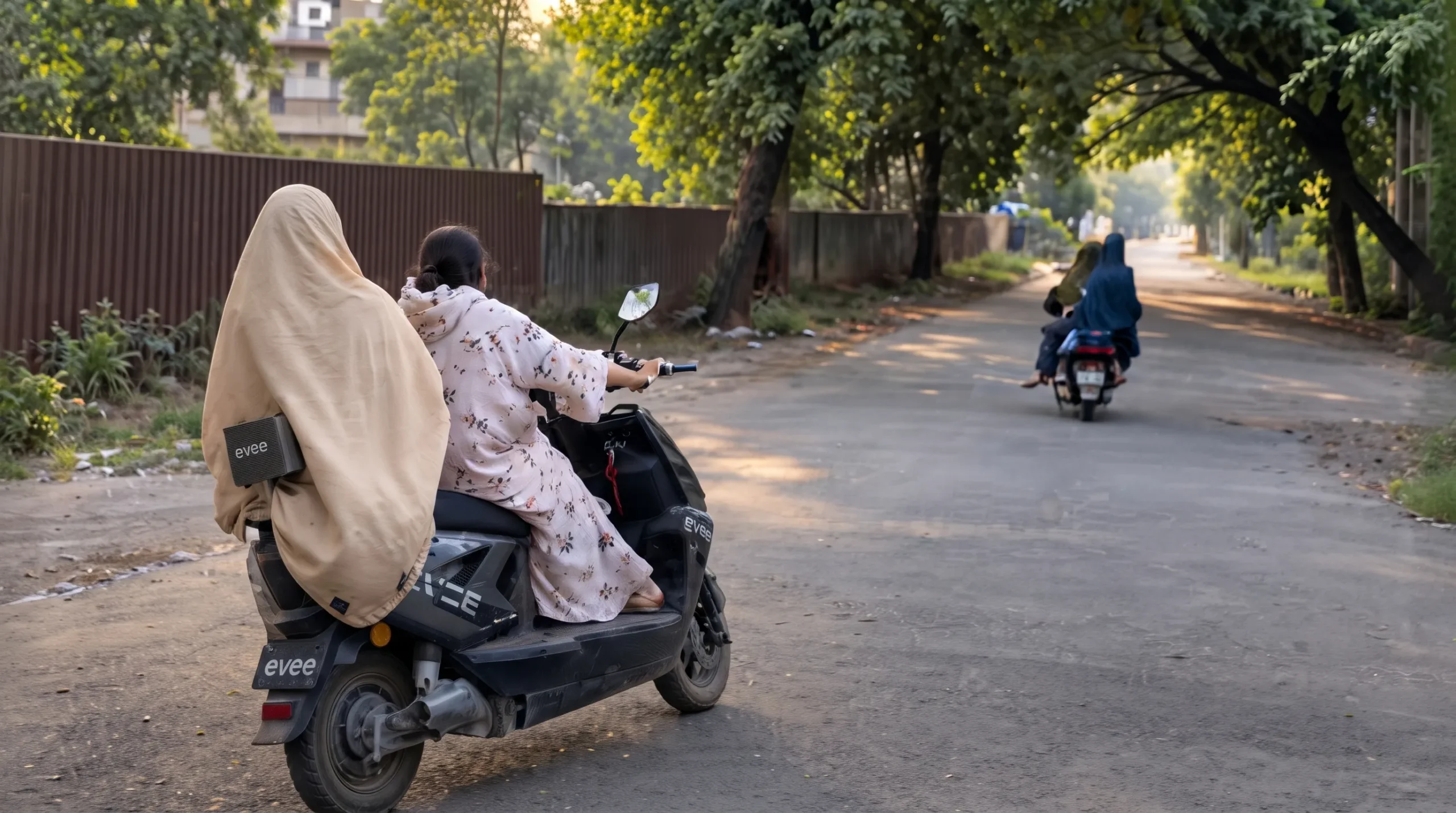
The controversy comes amid wider efforts to address women’s security in Punjab. Yet discussions around protection also need to consider the everyday experiences that affect whether women feel comfortable moving freely through public spaces.
A woman’s dignity is not limited to protection from harassment or physical danger. It also includes having her personal boundaries respected and not becoming the subject of unwanted footage. When people feel that their actions may be recorded and circulated without their permission, even ordinary journeys can become uncomfortable experiences.
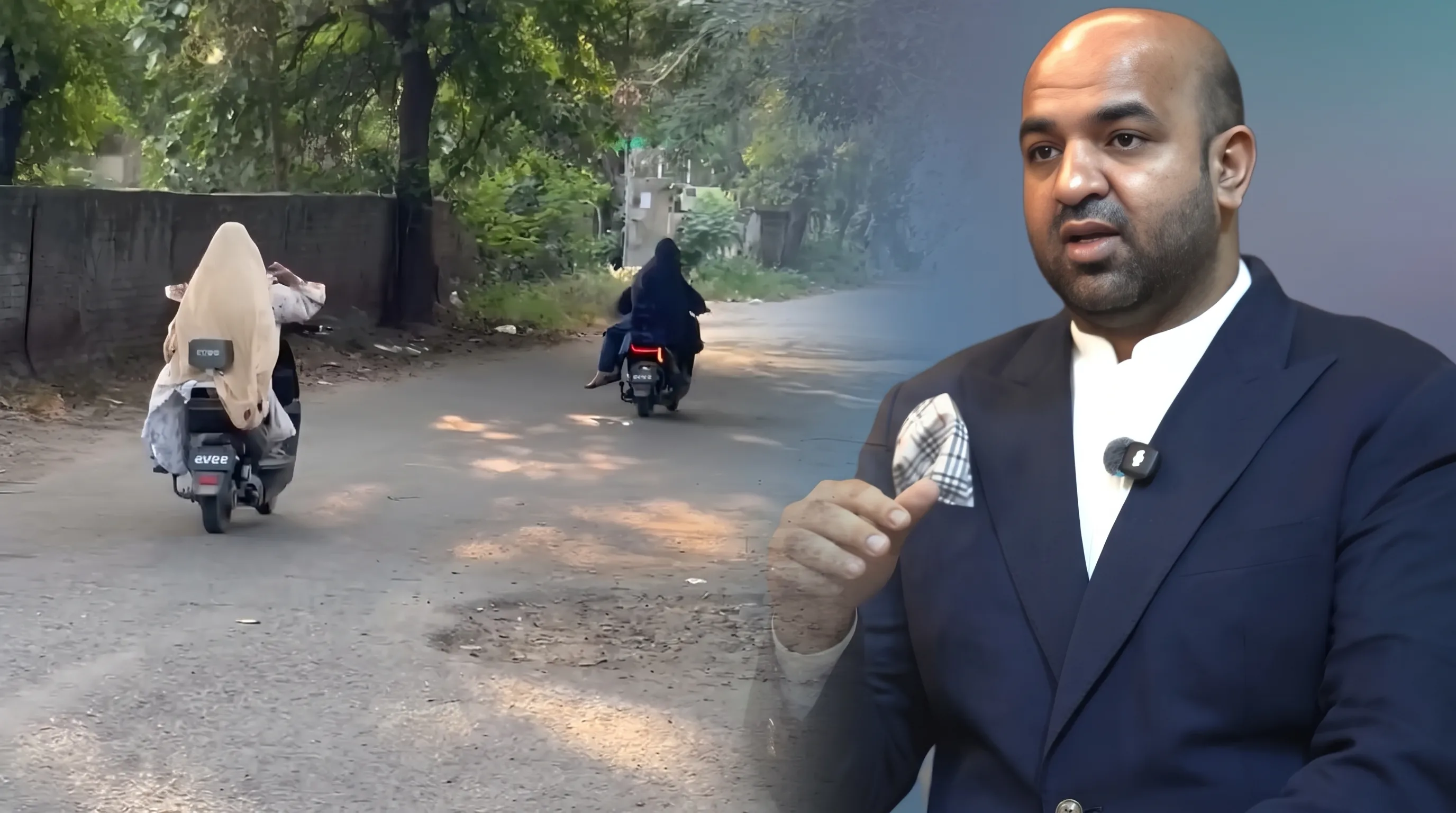
The incident has prompted a wider conversation about the responsibilities that come with recording others, particularly when the person behind the camera holds a public position. Even when footage is captured in an open setting, questions about consent and the way it is used remain important.
Promoting women’s confidence and freedom requires more than public messaging. It calls for everyday conduct that respects their choices, comfort and dignity. Awareness efforts can help build trust when the people they aim to support are treated as individuals with their own boundaries, rather than simply becoming part of a public message.
A video featuring Punjab Education Minister Rana Sikander Hayat has triggered an online debate about the way women are treated in public.
A video featuring Punjab Education Minister Rana Sikander Hayat has triggered an online debate about the way women are treated in public. The footage reportedly shows him recording two women travelling on a scooter, leading to criticism over whether they had agreed to be filmed.
The reaction has shifted attention beyond the video itself to a broader question: does being out in public mean someone has given up their right to privacy? For many viewers, the incident has renewed concerns about women being placed in uncomfortable situations without having a say in how they are portrayed.
The controversy comes amid wider efforts to address women’s security in Punjab. Yet discussions around protection also need to consider the everyday experiences that affect whether women feel comfortable moving freely through public spaces.
A woman’s dignity is not limited to protection from harassment or physical danger. It also includes having her personal boundaries respected and not becoming the subject of unwanted footage. When people feel that their actions may be recorded and circulated without their permission, even ordinary journeys can become uncomfortable experiences.
The incident has prompted a wider conversation about the responsibilities that come with recording others, particularly when the person behind the camera holds a public position. Even when footage is captured in an open setting, questions about consent and the way it is used remain important.
Promoting women’s confidence and freedom requires more than public messaging. It calls for everyday conduct that respects their choices, comfort and dignity. Awareness efforts can help build trust when the people they aim to support are treated as individuals with their own boundaries, rather than simply becoming part of a public message.



