Is Pakistan Sitting On A Trillion-Dollar Opportunity?
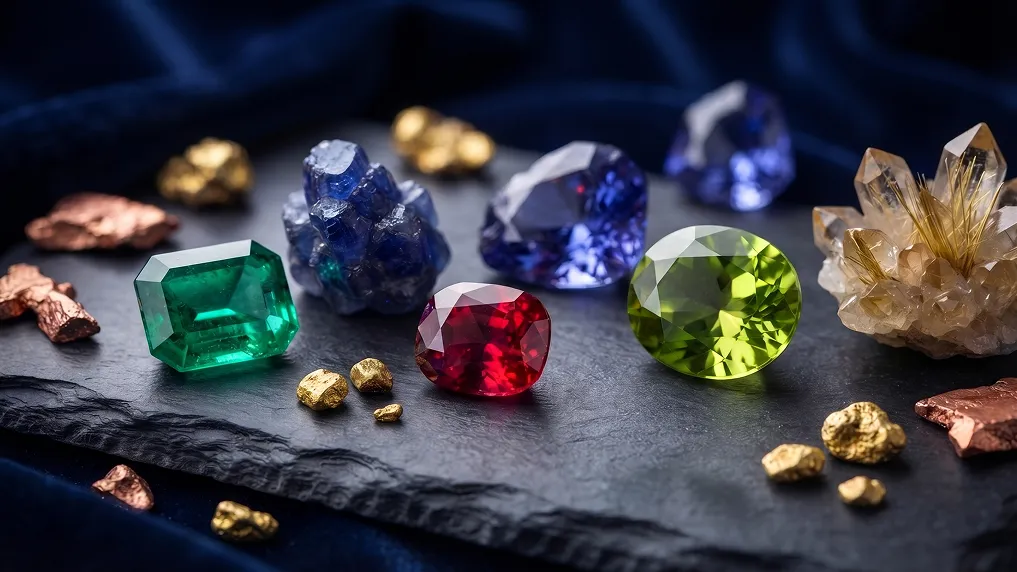
Pakistan holds an estimated $8 trillion worth of mineral resources, placing its untapped natural wealth in the spotlight as countries worldwide compete for materials used in modern technology and clean energy.
The country has identified 92 minerals, with 52 currently being extracted commercially. Yet mining contributes only around 3.2% of Pakistan’s GDP, highlighting the gap between its resources and their economic contribution.
From copper and gold to lithium and rare earth elements, these resources could create opportunities for exports, industrial growth and foreign investment.

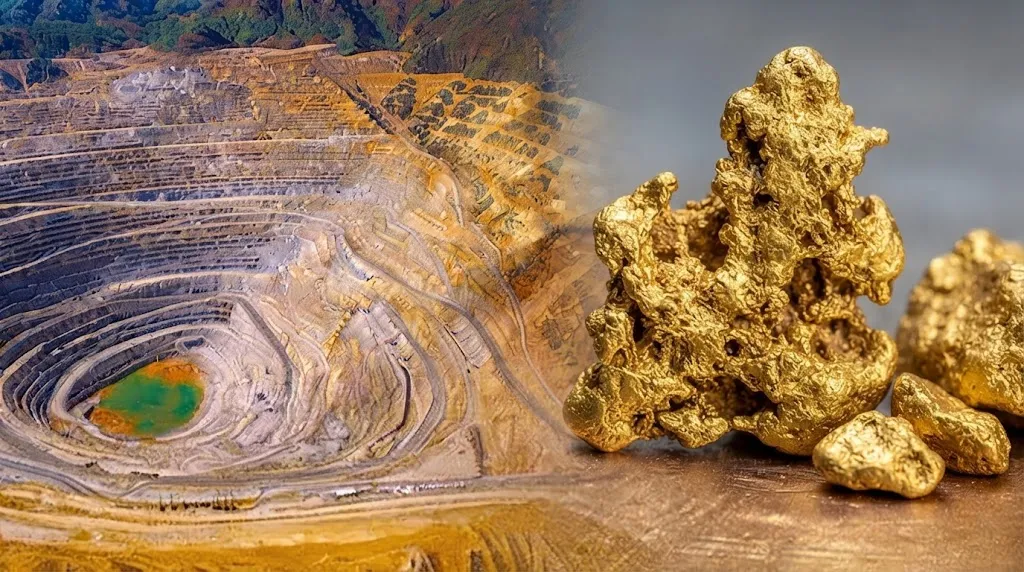
One of Pakistan’s most significant mining opportunities is the Reko Diq copper-gold project in Balochistan. The project is expected to begin production by the end of 2028, with a planned mine life of around 37 years.
Its development could support exports, create employment and strengthen Pakistan’s role in supplying minerals needed by global industries.
Another development emerged in July 2026, when Oil and Gas Development Company Limited (OGDCL) identified lithium in geothermal formation water from a well in Sindh. Lithium is an important material for rechargeable batteries used in electric vehicles and energy storage.
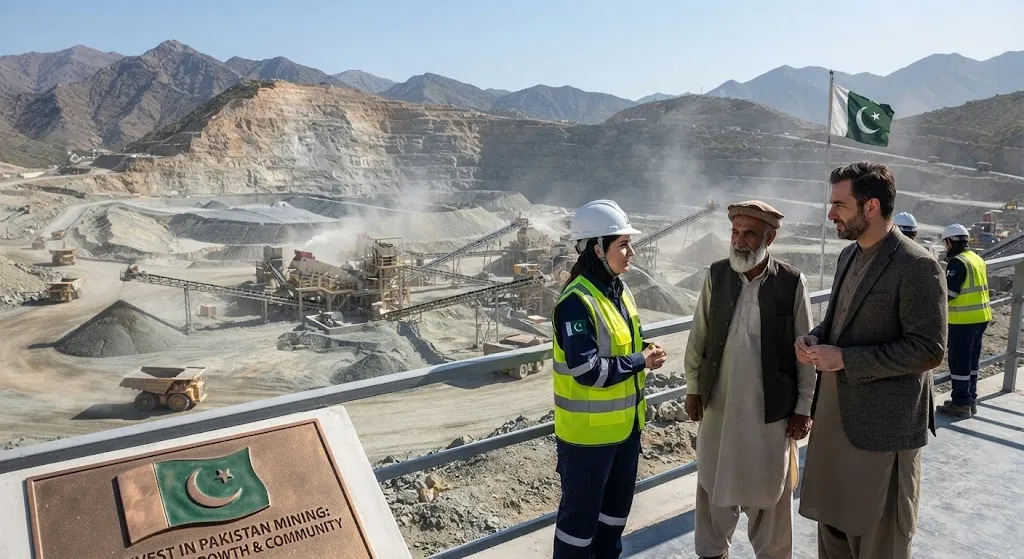
Pakistan is working to attract international investment and make its mining sector more accessible to businesses. The National Minerals Harmonisation Framework aims to improve coordination between provinces, simplify licensing and strengthen the environment for investors. The Pakistan Minerals Investment Forum 2026, scheduled for November 12–13 in Islamabad, is also intended to connect the country's mineral opportunities with international capital and expertise.
However, possessing valuable minerals does not automatically translate into economic success. Pakistan will need reliable infrastructure, modern technology, transparent regulations and responsible mining practices to develop these resources effectively.
Pakistan holds an estimated $8 trillion worth of mineral resources, placing its untapped natural wealth in the spotlight as countries worldwide compete for materials used in modern technology and clean energy.
Pakistan holds an estimated $8 trillion worth of mineral resources, placing its untapped natural wealth in the spotlight as countries worldwide compete for materials used in modern technology and clean energy.
The country has identified 92 minerals, with 52 currently being extracted commercially. Yet mining contributes only around 3.2% of Pakistan’s GDP, highlighting the gap between its resources and their economic contribution.
From copper and gold to lithium and rare earth elements, these resources could create opportunities for exports, industrial growth and foreign investment.
One of Pakistan’s most significant mining opportunities is the Reko Diq copper-gold project in Balochistan. The project is expected to begin production by the end of 2028, with a planned mine life of around 37 years.
Its development could support exports, create employment and strengthen Pakistan’s role in supplying minerals needed by global industries.
Another development emerged in July 2026, when Oil and Gas Development Company Limited (OGDCL) identified lithium in geothermal formation water from a well in Sindh. Lithium is an important material for rechargeable batteries used in electric vehicles and energy storage.
Pakistan is working to attract international investment and make its mining sector more accessible to businesses. The National Minerals Harmonisation Framework aims to improve coordination between provinces, simplify licensing and strengthen the environment for investors. The Pakistan Minerals Investment Forum 2026, scheduled for November 12–13 in Islamabad, is also intended to connect the country's mineral opportunities with international capital and expertise.
However, possessing valuable minerals does not automatically translate into economic success. Pakistan will need reliable infrastructure, modern technology, transparent regulations and responsible mining practices to develop these resources effectively.



