Asim Munir Visits Tehran As Peace Efforts Continue
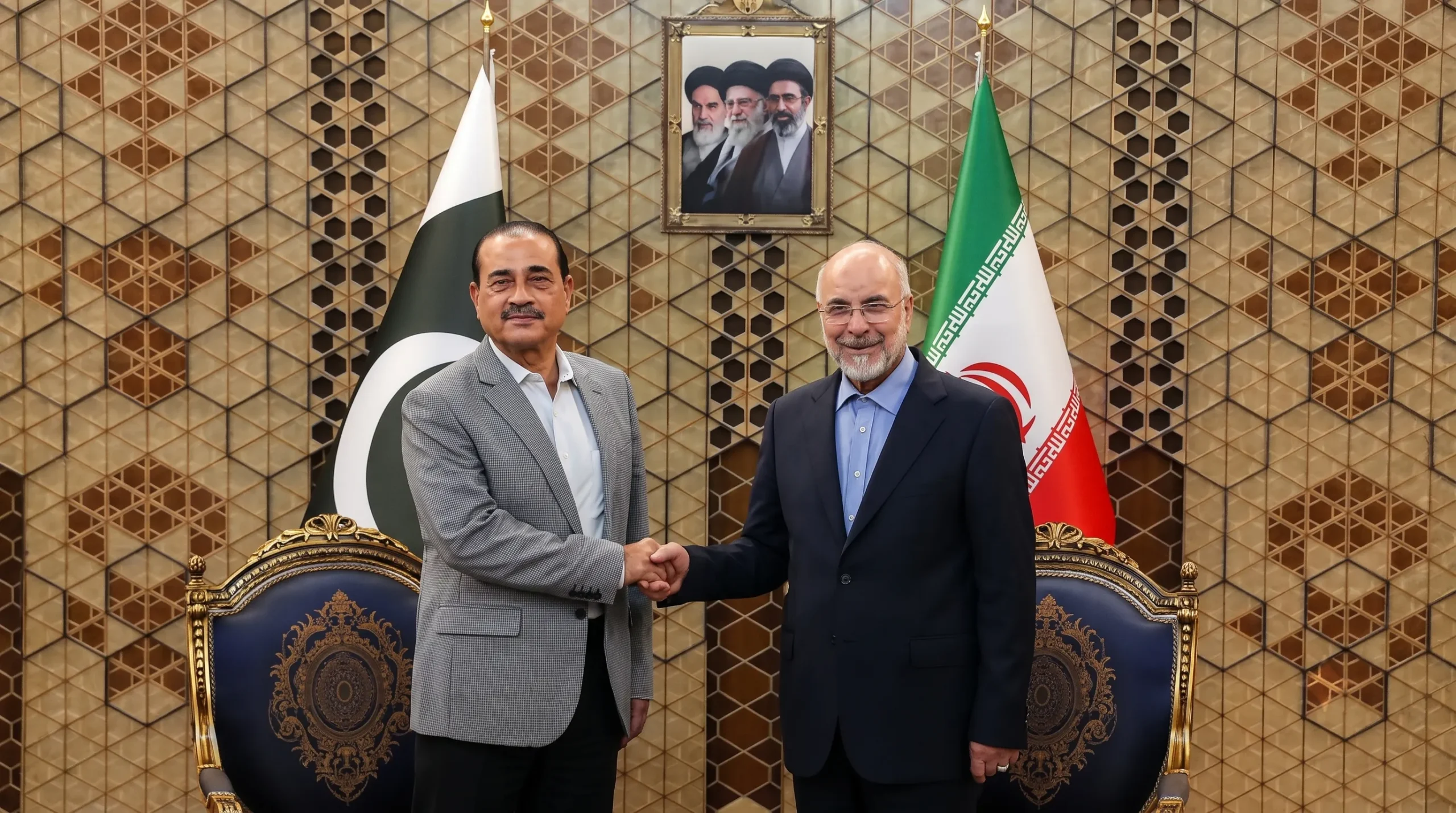
Field Marshal Asim Munir travelled to Tehran on October 20 as Pakistan continued efforts to bring the United States and Iran back to the negotiating table.
The visit came amid rising regional tensions and stalled diplomatic efforts to end the conflict. During the visit, Munir met Iranian President Masoud Pezeshkian and other senior officials to discuss the situation and possible paths towards renewed dialogue.
Pakistan has been working to facilitate communication between the two sides as the conflict threatens wider regional stability.

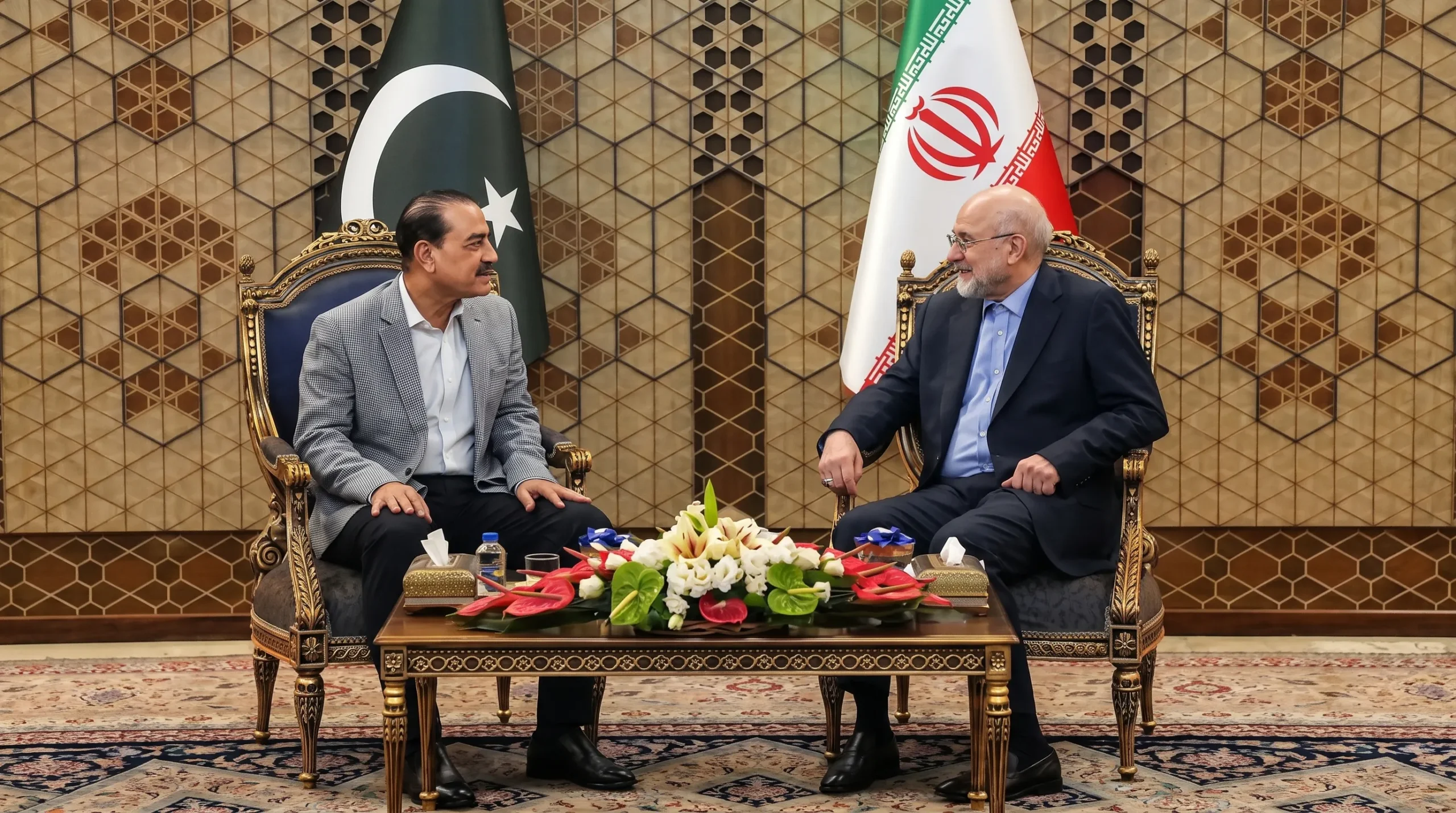
During discussions with the Pakistani delegation, Iranian leaders maintained that Washington must take steps to rebuild trust before meaningful negotiations can resume.
Their demands include lifting sanctions and ending the US naval blockade affecting Iranian ports.The talks come after an earlier agreement facilitated by Pakistan failed to hold amid renewed hostilities.
The breakdown has complicated efforts to secure a lasting settlement and exposed the deep disagreements that remain between Washington and Tehran.
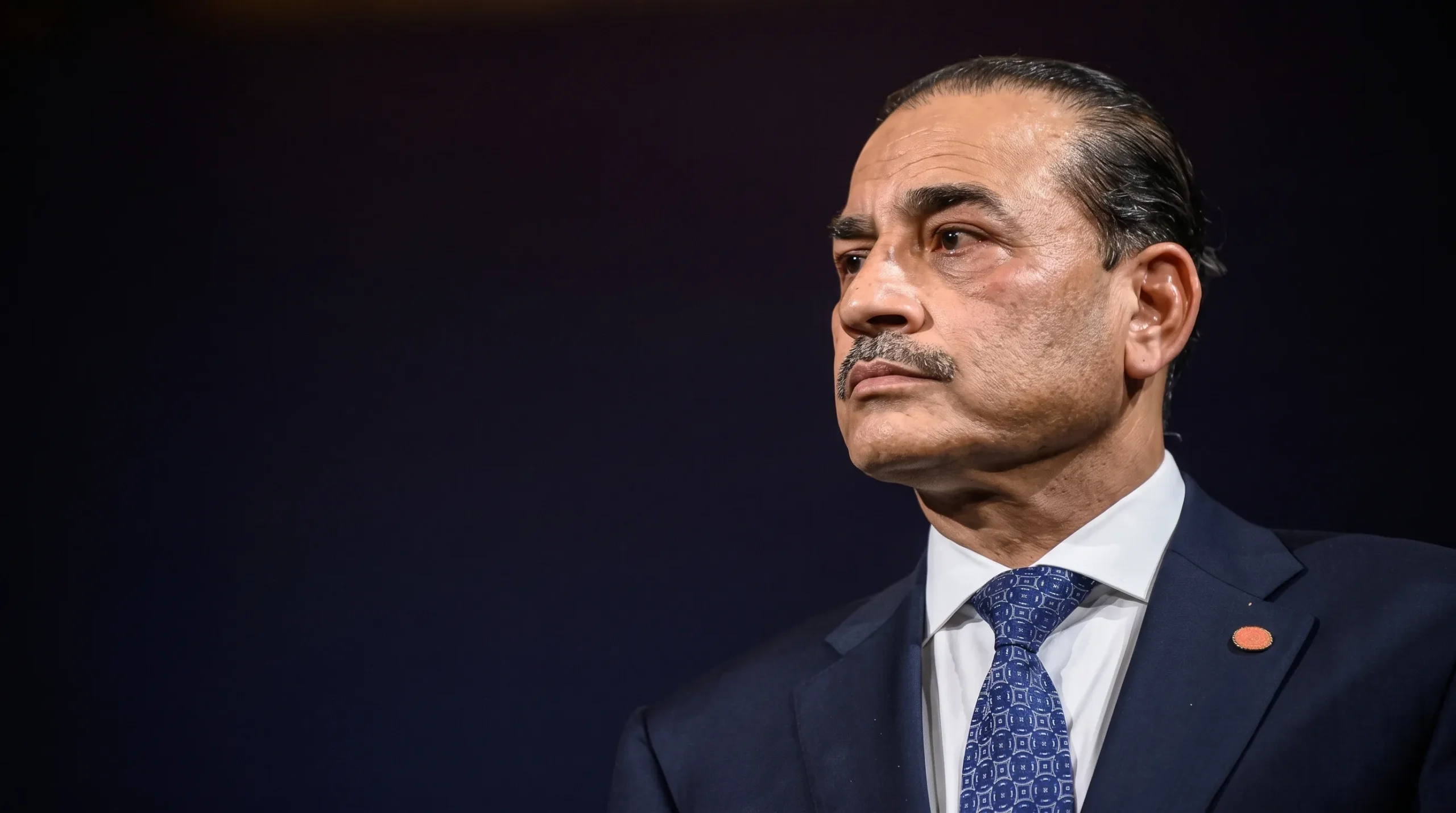
Pakistan’s role as an intermediary offers a channel for communication at a time when direct negotiations remain uncertain. Its efforts are aimed at reducing tensions, encouraging dialogue and preventing the conflict from escalating further across the region.
However, progress depends on whether both sides are willing to address their differences and make concessions. Iran has maintained its conditions for renewed talks, while the United States continues to press its own demands.
For Pakistan, the challenge is to keep diplomatic engagement alive and help create conditions for a negotiated settlement.
Field Marshal Asim Munir travelled to Tehran on October 20 as Pakistan continued efforts to bring the United States and Iran back to the negotiating table.
Field Marshal Asim Munir travelled to Tehran on October 20 as Pakistan continued efforts to bring the United States and Iran back to the negotiating table.
The visit came amid rising regional tensions and stalled diplomatic efforts to end the conflict. During the visit, Munir met Iranian President Masoud Pezeshkian and other senior officials to discuss the situation and possible paths towards renewed dialogue.
Pakistan has been working to facilitate communication between the two sides as the conflict threatens wider regional stability.
During discussions with the Pakistani delegation, Iranian leaders maintained that Washington must take steps to rebuild trust before meaningful negotiations can resume.
Their demands include lifting sanctions and ending the US naval blockade affecting Iranian ports.The talks come after an earlier agreement facilitated by Pakistan failed to hold amid renewed hostilities.
The breakdown has complicated efforts to secure a lasting settlement and exposed the deep disagreements that remain between Washington and Tehran.
Pakistan’s role as an intermediary offers a channel for communication at a time when direct negotiations remain uncertain. Its efforts are aimed at reducing tensions, encouraging dialogue and preventing the conflict from escalating further across the region.
However, progress depends on whether both sides are willing to address their differences and make concessions. Iran has maintained its conditions for renewed talks, while the United States continues to press its own demands.
For Pakistan, the challenge is to keep diplomatic engagement alive and help create conditions for a negotiated settlement.



