Pakistan Army Conducts Successful Fatah-2 Missile Test
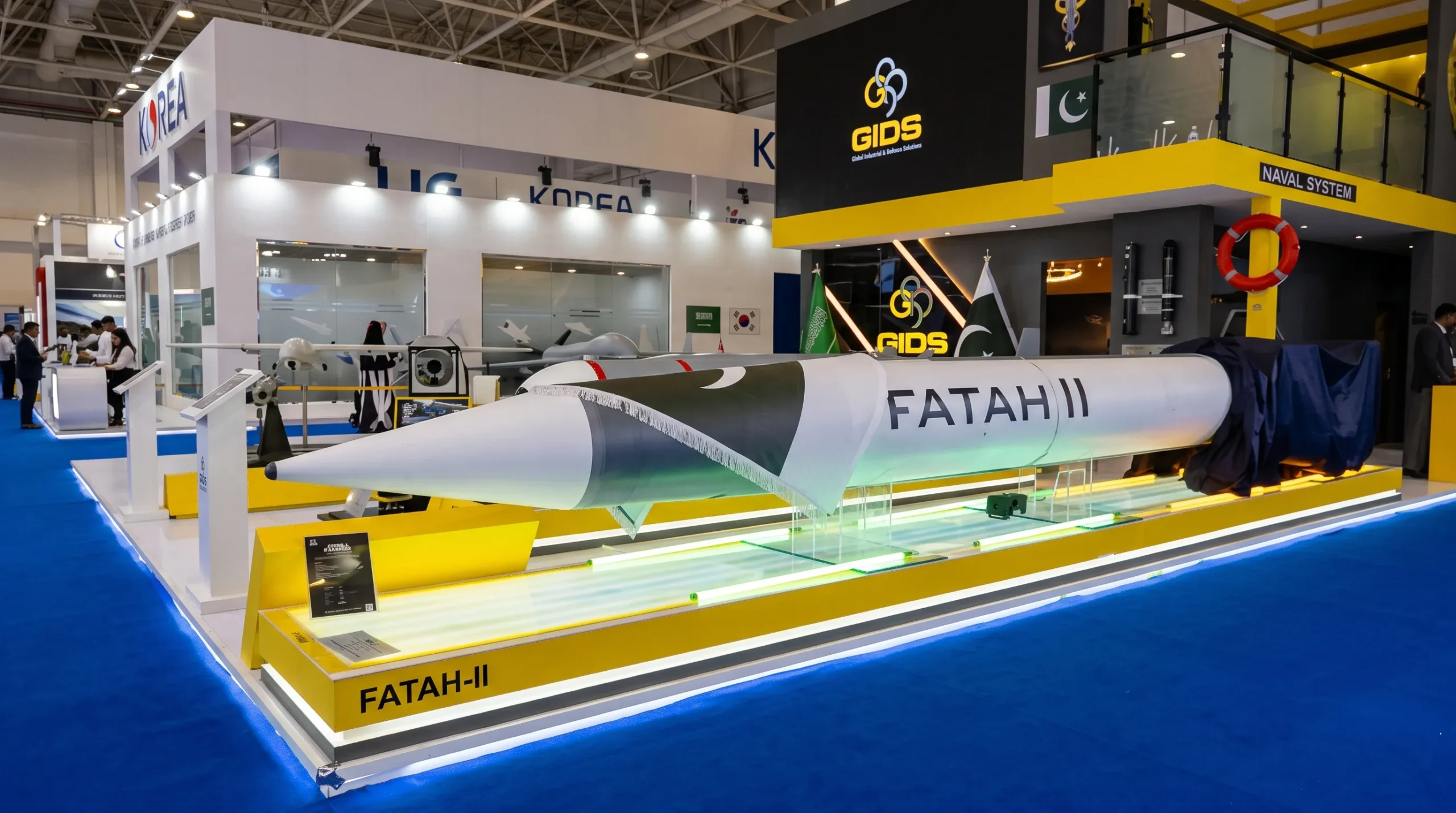
Pakistan has successfully carried out a test launch of the Fatah-2 Extended Range (ER) missile, the military announced on October 13, 2026. The trial marks another development in the country’s efforts to advance its domestically developed missile systems.
According to the Inter-Services Public Relations (ISPR), the weapon system incorporates advanced navigation technology and modern avionics to guide its flight. The extended-range variant is designed to expand the Pakistan Army’s ability to engage targets at greater distances.
The military did not disclose the missile’s precise range or provide detailed technical specifications.

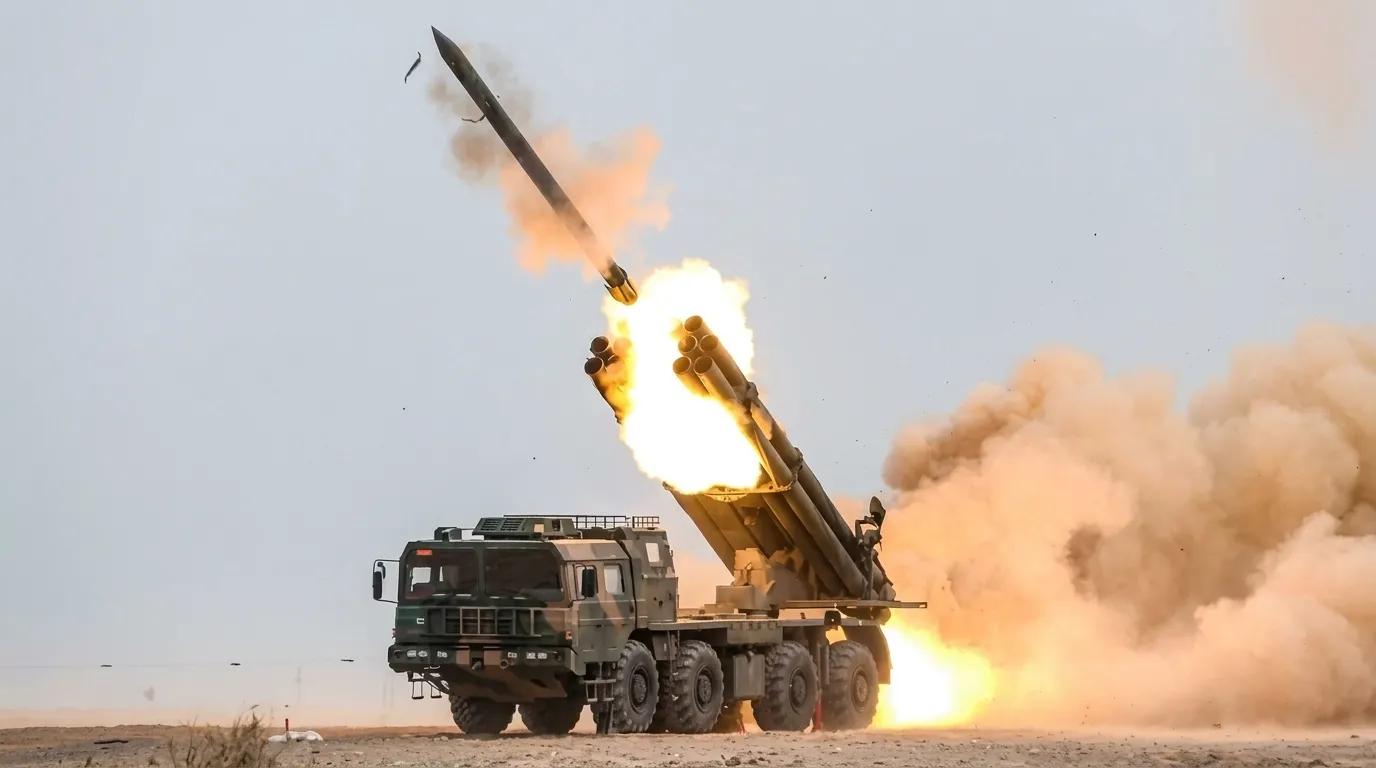
The Fatah-2 ER is designed to combine high-speed flight with the ability to adjust its trajectory. According to the military, these characteristics are intended to improve its ability to reach designated targets while presenting challenges for opposing missile-defence systems.
Its advanced navigation and avionics are intended to support accurate guidance during flight. These systems play an important role in helping a missile follow its intended course and maintain the precision required to engage a specified target.
ISPR stated that the extended-range version would increase the Army’s reach and its capacity to strike targets located deeper within an operational area.
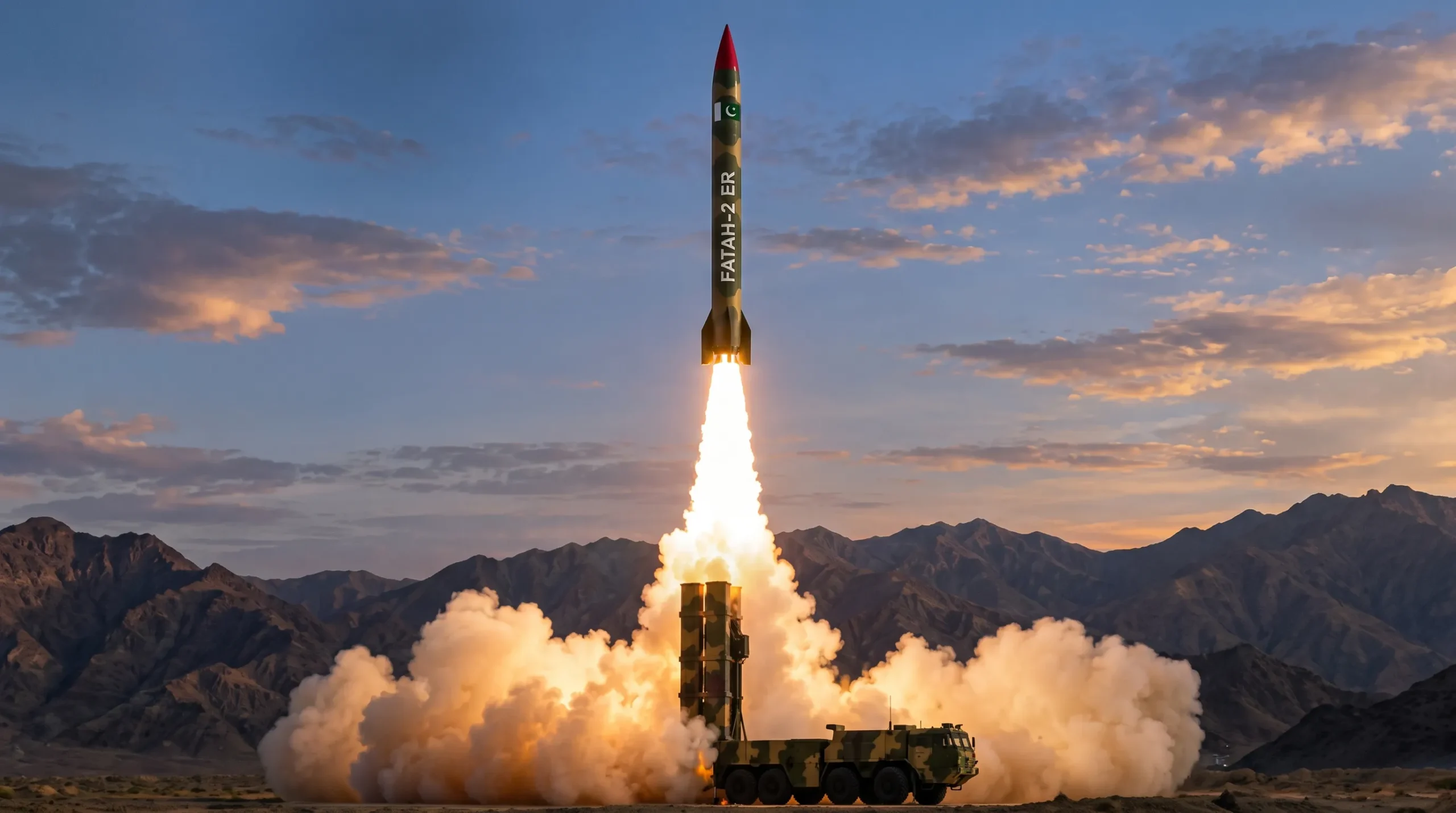
The test launch was observed by the commander of the Army Rocket Force Command, senior Pakistan Army officers and the scientists and engineers associated with the programme. The commander acknowledged the technical contribution of the teams involved in developing the weapon system.
Following the trial, President Asif Ali Zardari, Prime Minister Shehbaz Sharif, Chief of Army Staff and Chief of Defence Forces Field Marshal Asim Munir, and the services chiefs congratulated the personnel involved, according to ISPR.
The test followed Pakistan’s October 2026 trial of an extended-range version of the Fatah-4 ground-launched cruise missile.
Pakistan has successfully carried out a test launch of the Fatah-2 Extended Range (ER) missile, the military announced on October 13, 2026.
Pakistan has successfully carried out a test launch of the Fatah-2 Extended Range (ER) missile, the military announced on October 13, 2026. The trial marks another development in the country’s efforts to advance its domestically developed missile systems.
According to the Inter-Services Public Relations (ISPR), the weapon system incorporates advanced navigation technology and modern avionics to guide its flight. The extended-range variant is designed to expand the Pakistan Army’s ability to engage targets at greater distances.
The military did not disclose the missile’s precise range or provide detailed technical specifications.
The Fatah-2 ER is designed to combine high-speed flight with the ability to adjust its trajectory. According to the military, these characteristics are intended to improve its ability to reach designated targets while presenting challenges for opposing missile-defence systems.
Its advanced navigation and avionics are intended to support accurate guidance during flight. These systems play an important role in helping a missile follow its intended course and maintain the precision required to engage a specified target.
ISPR stated that the extended-range version would increase the Army’s reach and its capacity to strike targets located deeper within an operational area.
The test launch was observed by the commander of the Army Rocket Force Command, senior Pakistan Army officers and the scientists and engineers associated with the programme. The commander acknowledged the technical contribution of the teams involved in developing the weapon system.
Following the trial, President Asif Ali Zardari, Prime Minister Shehbaz Sharif, Chief of Army Staff and Chief of Defence Forces Field Marshal Asim Munir, and the services chiefs congratulated the personnel involved, according to ISPR.
The test followed Pakistan’s October 2026 trial of an extended-range version of the Fatah-4 ground-launched cruise missile.



