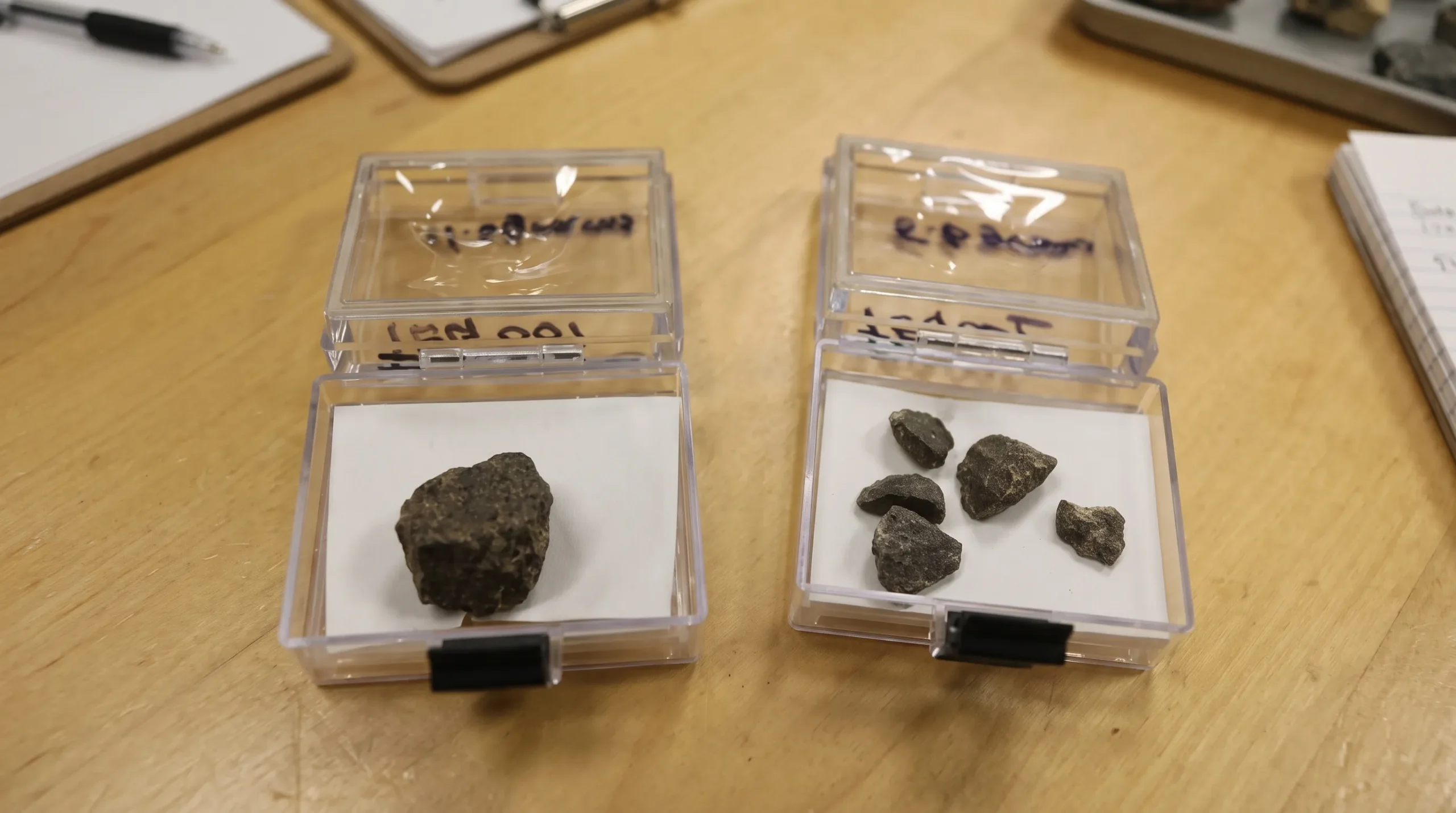
A meteorite discovered in the Sahara Desert in Mali is giving scientists an extraordinary opportunity to study Mars as it existed more than 4.1 billion years ago. Named Teghaza 001, the reddish rock is among the oldest Martian meteorites ever identified on Earth.
The approximately 800-gram specimen was discovered in 2022, broken into eight pieces near the Malian village of Bir Chali. Researchers confirmed that it originated on Mars, making it one of around 435 known meteorites from the Red Planet.
A NASA-funded study published in the journal Science has now revealed more about its age and composition.

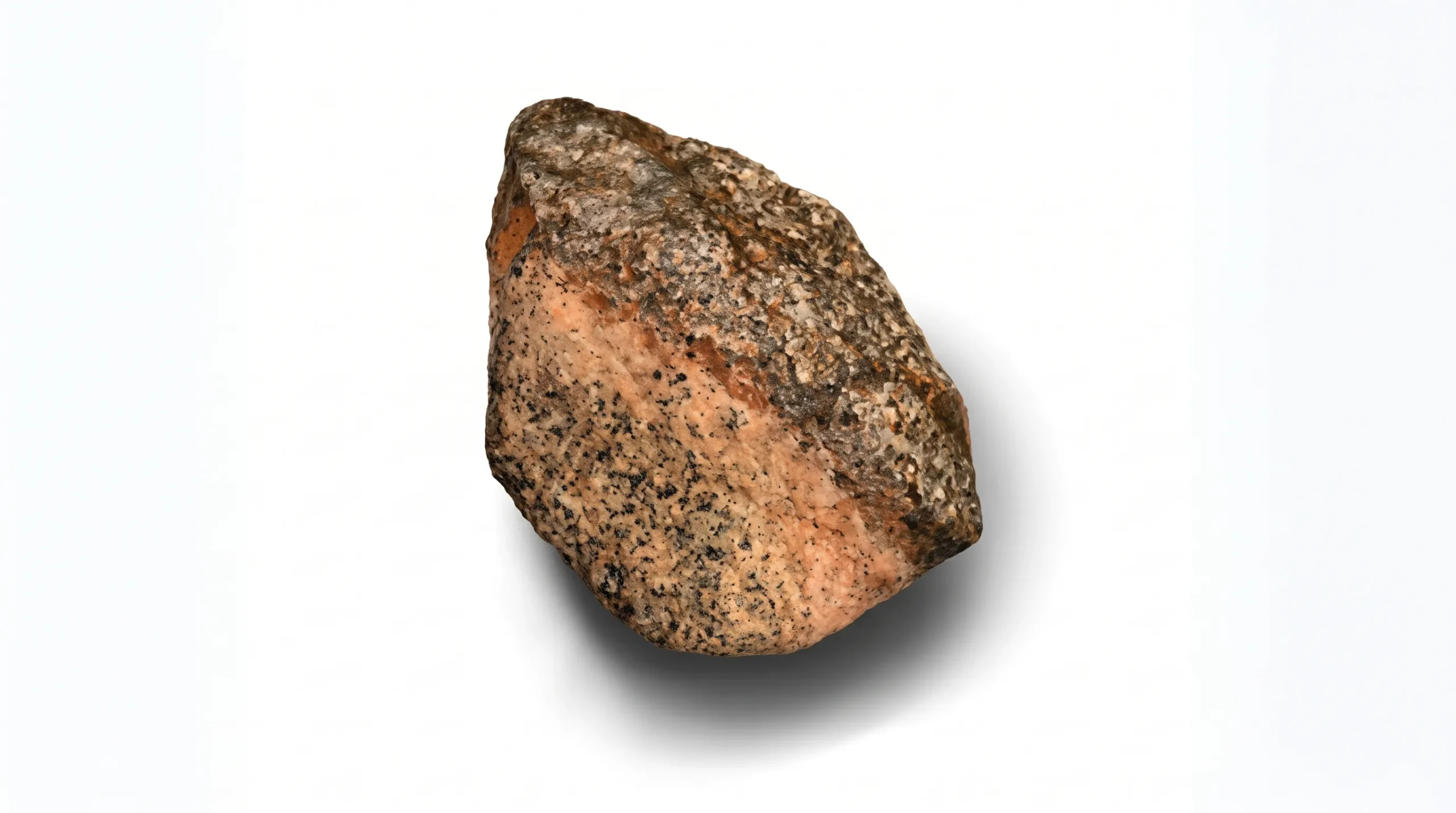
What makes Teghaza 001 particularly valuable is its unusual mineral composition. Its volcanic minerals provide clues about how molten material cooled and formed part of Mars' crust before the rock was later changed through contact with water beneath the planet's surface.
Researchers used specialised techniques to examine tiny mineral grains, including zircon crystals, which preserve information about a rock's history. Their findings indicate that water altered the meteorite around 4.1 billion years ago, suggesting the original rock had formed even earlier.
The discovery adds to evidence that early Mars was considerably different from the cold, dry planet we know today.
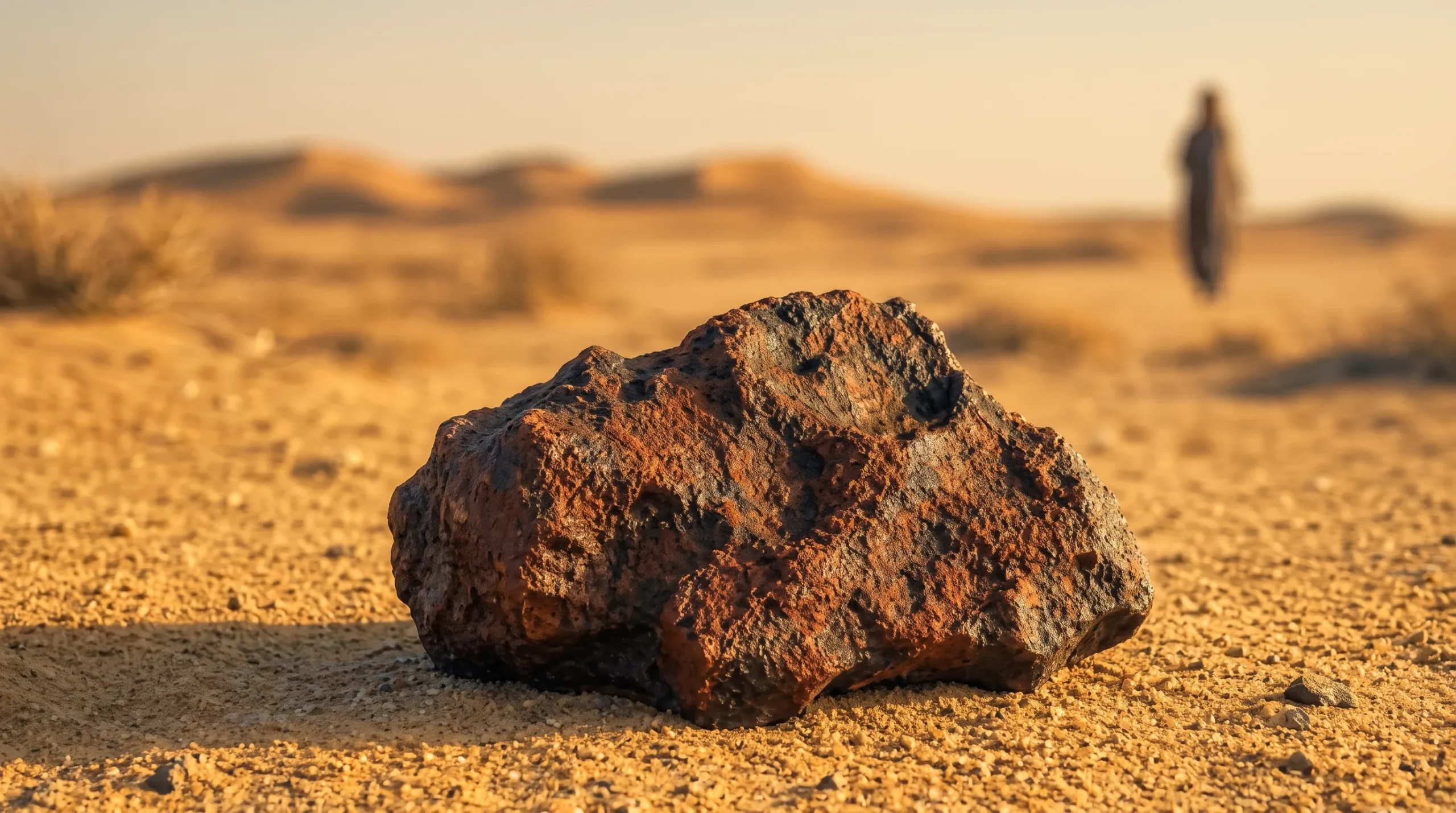
The meteorite is offering researchers a rare opportunity to investigate whether ancient Mars had conditions that could have supported life. Scientists believe the presence of water is an important part of that question, as it is considered one of the essential ingredients for life as we understand it.
However, the discovery does not establish that life actually existed on Mars. Instead, it provides evidence that the planet may once have had environmental conditions more suitable for life before gradually becoming the dry and inhospitable world it is today.
A meteorite discovered in the Sahara Desert in Mali is giving scientists an extraordinary opportunity to study Mars as it existed more than 4.1 billion years ago.
A meteorite discovered in the Sahara Desert in Mali is giving scientists an extraordinary opportunity to study Mars as it existed more than 4.1 billion years ago. Named Teghaza 001, the reddish rock is among the oldest Martian meteorites ever identified on Earth.
The approximately 800-gram specimen was discovered in 2022, broken into eight pieces near the Malian village of Bir Chali. Researchers confirmed that it originated on Mars, making it one of around 435 known meteorites from the Red Planet.
A NASA-funded study published in the journal Science has now revealed more about its age and composition.
What makes Teghaza 001 particularly valuable is its unusual mineral composition. Its volcanic minerals provide clues about how molten material cooled and formed part of Mars' crust before the rock was later changed through contact with water beneath the planet's surface.
Researchers used specialised techniques to examine tiny mineral grains, including zircon crystals, which preserve information about a rock's history. Their findings indicate that water altered the meteorite around 4.1 billion years ago, suggesting the original rock had formed even earlier.
The discovery adds to evidence that early Mars was considerably different from the cold, dry planet we know today.
The meteorite is offering researchers a rare opportunity to investigate whether ancient Mars had conditions that could have supported life. Scientists believe the presence of water is an important part of that question, as it is considered one of the essential ingredients for life as we understand it.
However, the discovery does not establish that life actually existed on Mars. Instead, it provides evidence that the planet may once have had environmental conditions more suitable for life before gradually becoming the dry and inhospitable world it is today.



