200+ Divorce Cases in Pindi in One Day: How Can Marriages Be Strengthened?

Rawalpindi’s family courts received 214 new cases when proceedings resumed after the summer recess. The cases covered divorce, khula, dowry, dower and other family disputes, highlighting the range of challenges that can emerge within marriages.
While the figure is concerning, it can also open the door to a more constructive conversation. Instead of looking at divorce only as an outcome, it is important to understand the pressures that can push couples apart and consider how relationships can be strengthened.
Healthy marriages require more than love. They need communication, respect, emotional support and a shared willingness to work through difficult phases together.

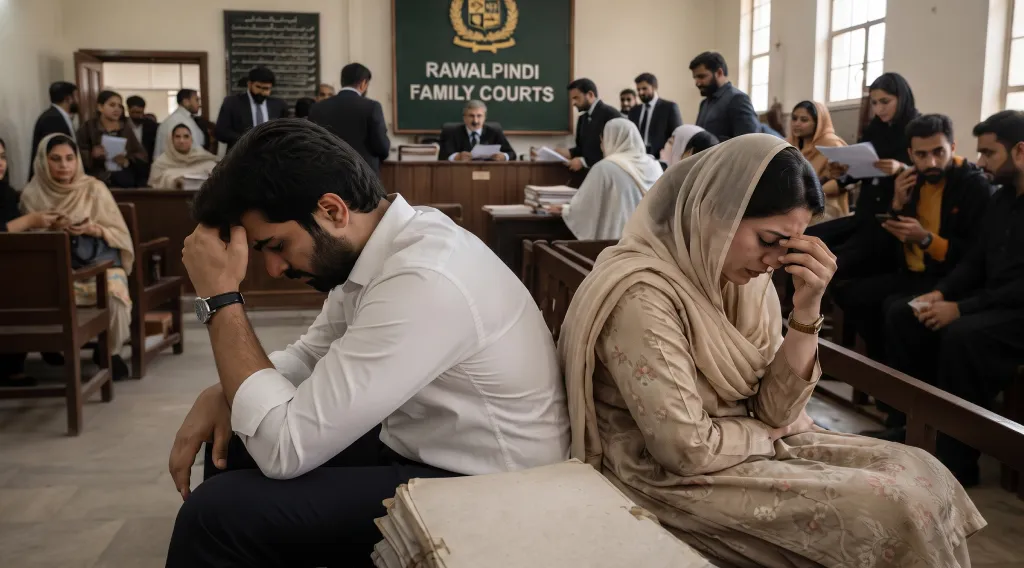
Marital conflict can develop for many reasons. Financial stress, communication gaps, unrealistic expectations, trust issues and disagreements over responsibilities can gradually create frustration between partners.
Family interference can sometimes add further pressure, particularly when couples struggle to establish healthy boundaries.
Differences in priorities, lifestyles and expectations about married life can also become difficult when they are never openly discussed. Recognising these challenges early can make a difference.
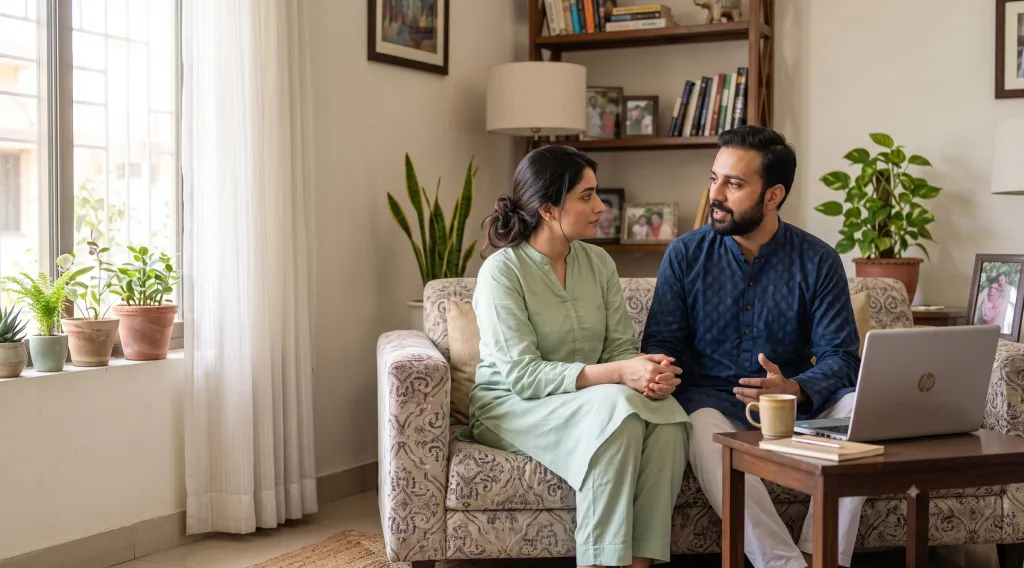
Strong communication can help couples navigate disagreements without allowing them to damage the relationship. Partners should be able to express concerns honestly while also giving each other the opportunity to speak and feel heard.
Listening without immediately becoming defensive can prevent many arguments from escalating. Discussing finances, household responsibilities, family expectations and future plans openly can also reduce misunderstandings and create greater clarity.
A healthy marriage does not mean never disagreeing. It means learning how to disagree respectfully.
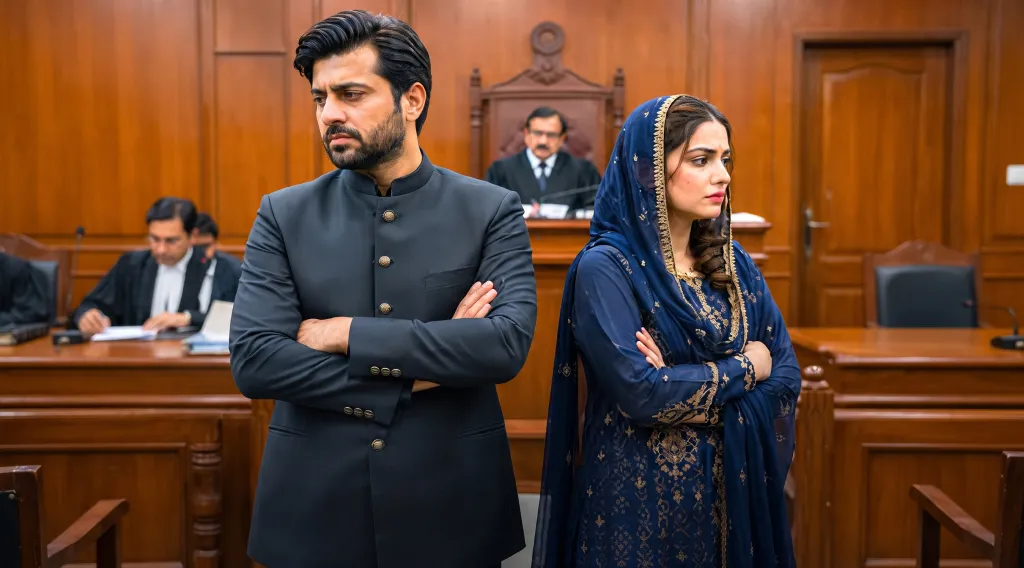
Marriage becomes stronger when both partners feel valued and supported. Sharing responsibilities, making important decisions together and recognising each other’s efforts can create a genuine sense of partnership.
Financial planning is equally important. Couples can discuss income, spending, savings and major priorities openly rather than allowing money to become a source of repeated tension. Small gestures of appreciation can also strengthen emotional connection.
Healthy boundaries matter too. Families can offer valuable support, but couples should have enough space to communicate and make decisions together.

Seeking help during difficult periods should not be considered a failure. Trusted elders, qualified counsellors and professional support can sometimes help couples understand recurring disagreements, improve communication and rebuild trust before problems become overwhelming.
Ultimately, a lasting marriage is not about avoiding every disagreement. It is about developing the patience and maturity to address problems, respect differences and continue learning about one another.
The Rawalpindi cases can therefore encourage a wider conversation about healthier relationships in society.
Rawalpindi’s family courts received 214 new cases when proceedings resumed after the summer recess.
Rawalpindi’s family courts received 214 new cases when proceedings resumed after the summer recess. The cases covered divorce, khula, dowry, dower and other family disputes, highlighting the range of challenges that can emerge within marriages.
While the figure is concerning, it can also open the door to a more constructive conversation. Instead of looking at divorce only as an outcome, it is important to understand the pressures that can push couples apart and consider how relationships can be strengthened.
Healthy marriages require more than love. They need communication, respect, emotional support and a shared willingness to work through difficult phases together.
Marital conflict can develop for many reasons. Financial stress, communication gaps, unrealistic expectations, trust issues and disagreements over responsibilities can gradually create frustration between partners.
Family interference can sometimes add further pressure, particularly when couples struggle to establish healthy boundaries.
Differences in priorities, lifestyles and expectations about married life can also become difficult when they are never openly discussed. Recognising these challenges early can make a difference.
Strong communication can help couples navigate disagreements without allowing them to damage the relationship. Partners should be able to express concerns honestly while also giving each other the opportunity to speak and feel heard.
Listening without immediately becoming defensive can prevent many arguments from escalating. Discussing finances, household responsibilities, family expectations and future plans openly can also reduce misunderstandings and create greater clarity.
A healthy marriage does not mean never disagreeing. It means learning how to disagree respectfully.
Marriage becomes stronger when both partners feel valued and supported. Sharing responsibilities, making important decisions together and recognising each other’s efforts can create a genuine sense of partnership.
Financial planning is equally important. Couples can discuss income, spending, savings and major priorities openly rather than allowing money to become a source of repeated tension. Small gestures of appreciation can also strengthen emotional connection.
Healthy boundaries matter too. Families can offer valuable support, but couples should have enough space to communicate and make decisions together.
Seeking help during difficult periods should not be considered a failure. Trusted elders, qualified counsellors and professional support can sometimes help couples understand recurring disagreements, improve communication and rebuild trust before problems become overwhelming.
Ultimately, a lasting marriage is not about avoiding every disagreement. It is about developing the patience and maturity to address problems, respect differences and continue learning about one another.
The Rawalpindi cases can therefore encourage a wider conversation about healthier relationships in society.



