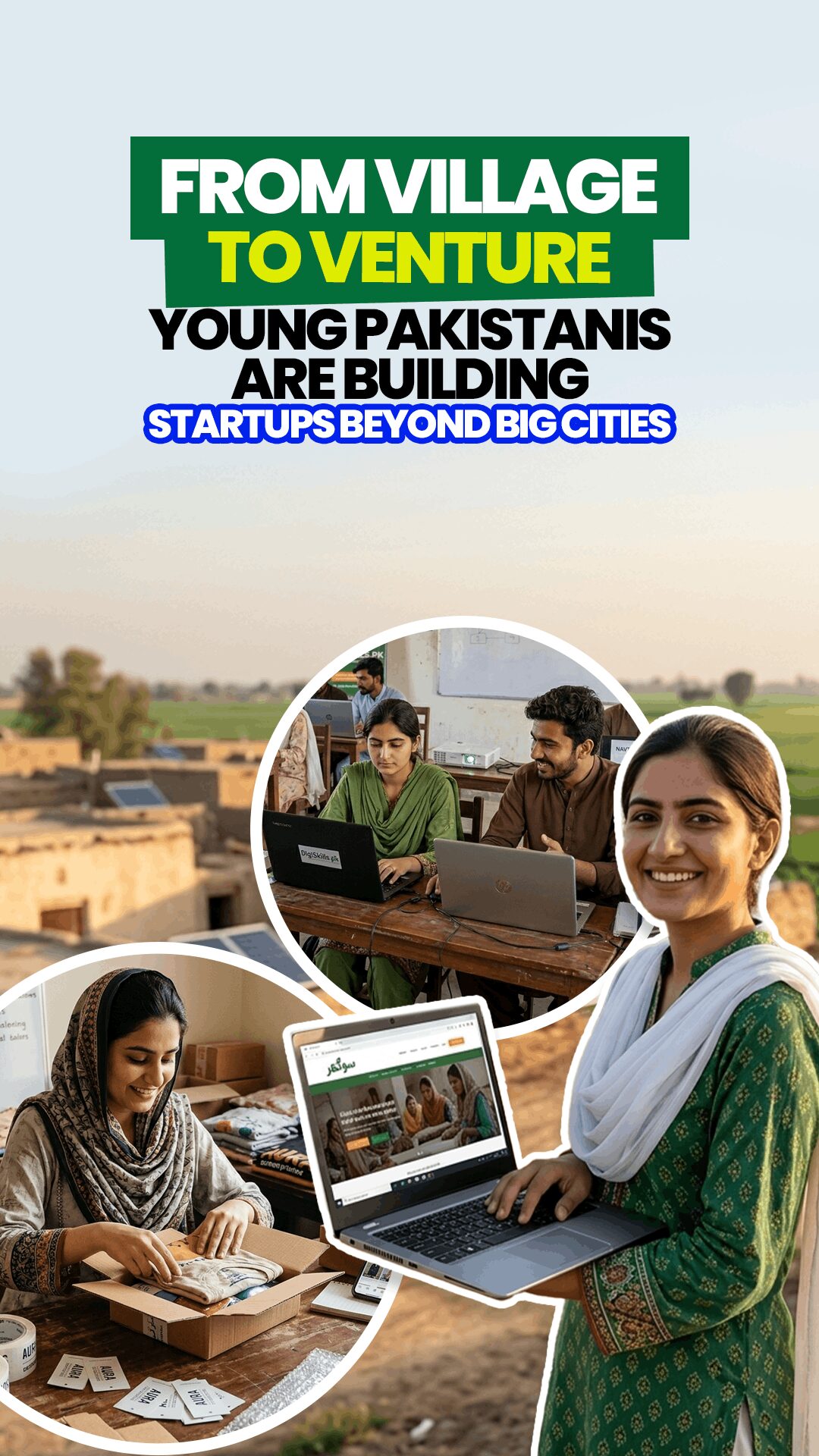
In Pakistan, entrepreneurship is steadily moving beyond traditional tech hubs like Karachi, Lahore, and Islamabad.
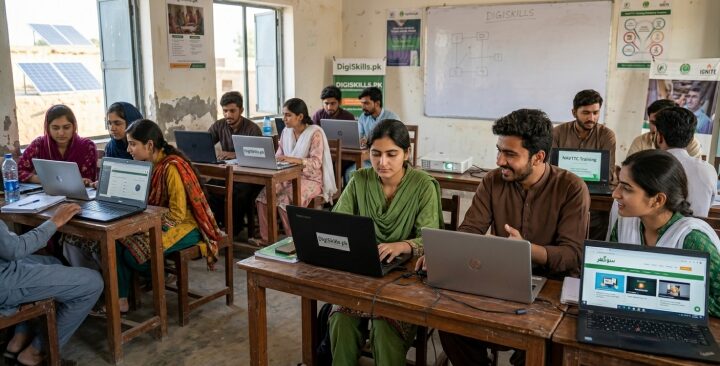
Government and private initiatives such as DigiSkills.pk (run under Ignite National Technology Fund) and NAVTTC training programs have trained millions of young people in freelancing, digital marketing, and IT skills.
In agricultural regions such as Swabi, Okara, and Multan, young entrepreneurs are beginning to focus on solving real farming challenges through technology.

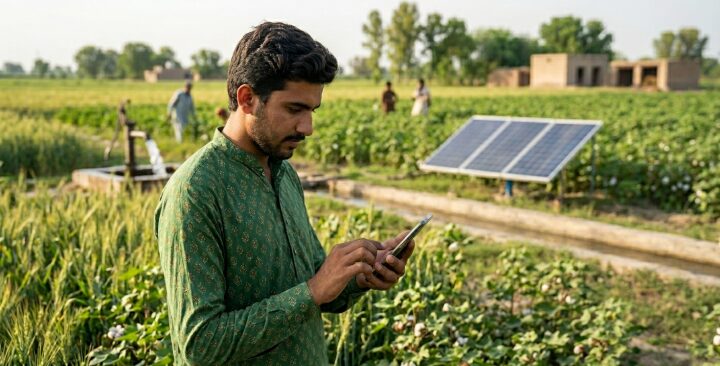
Inspired by Pakistan’s growing agri-tech ecosystem, startups like Tazah Technologies are working on improving supply chains by connecting farmers directly with retailers and reducing dependency on middlemen.
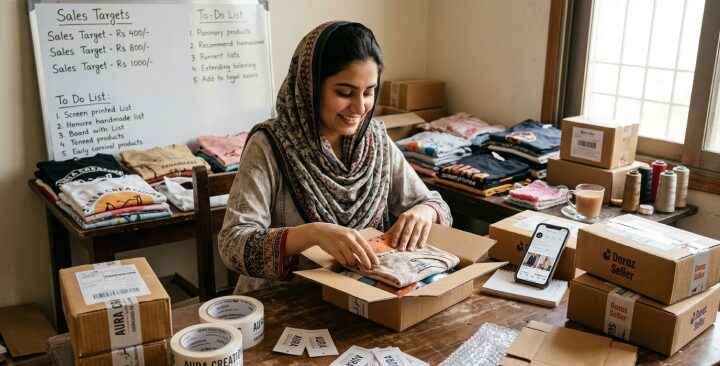
Across cities like Gujranwala, Faisalabad, Sialkot, and Bahawalpur, thousands of young entrepreneurs are using platforms like Daraz and social media to launch online businesses from home.
Many started with small-scale clothing reselling or handmade products and gradually scaled into full-fledged e-commerce operations with packaging, branding, and nationwide delivery system
Pakistan is among the top freelance economies globally, and a significant portion of this talent comes from smaller cities such as Abbottabad, Bahawalpur, Hyderabad, and Gujrat.
Platforms like Fiverr and Upwork have enabled young professionals to earn in fields such as graphic design, video editing, programming, and content writing.
Educational institutions and incubation centers are also playing a key role in supporting rural and semi-urban entrepreneurship.
Programs like Plan9 (Punjab Information Technology Board) and university-based startup competitions in cities.
Despite rapid progress, entrepreneurs outside major cities still face real challenges, including limited access to venture capital, mentorship, and high-speed internet infrastructure.
However, digital payment systems like Easypaisa and JazzCash have significantly reduced financial barriers, making it easier for small businesses to operate digitally.
In Pakistan, entrepreneurship is steadily moving beyond traditional tech hubs like Karachi, Lahore, and Islamabad.
Government and private initiatives such as DigiSkills.pk (run under Ignite National Technology Fund) and NAVTTC training programs have trained millions of young people in freelancing, digital marketing, and IT skills.
In agricultural regions such as Swabi, Okara, and Multan, young entrepreneurs are beginning to focus on solving real farming challenges through technology.
Inspired by Pakistan’s growing agri-tech ecosystem, startups like Tazah Technologies are working on improving supply chains by connecting farmers directly with retailers and reducing dependency on middlemen.
Across cities like Gujranwala, Faisalabad, Sialkot, and Bahawalpur, thousands of young entrepreneurs are using platforms like Daraz and social media to launch online businesses from home.
Many started with small-scale clothing reselling or handmade products and gradually scaled into full-fledged e-commerce operations with packaging, branding, and nationwide delivery system
Pakistan is among the top freelance economies globally, and a significant portion of this talent comes from smaller cities such as Abbottabad, Bahawalpur, Hyderabad, and Gujrat.
Platforms like Fiverr and Upwork have enabled young professionals to earn in fields such as graphic design, video editing, programming, and content writing.
Educational institutions and incubation centers are also playing a key role in supporting rural and semi-urban entrepreneurship.
Programs like Plan9 (Punjab Information Technology Board) and university-based startup competitions in cities.
Despite rapid progress, entrepreneurs outside major cities still face real challenges, including limited access to venture capital, mentorship, and high-speed internet infrastructure.
However, digital payment systems like Easypaisa and JazzCash have significantly reduced financial barriers, making it easier for small businesses to operate digitally.