Sindh Announces Financial Support Program for Young Children
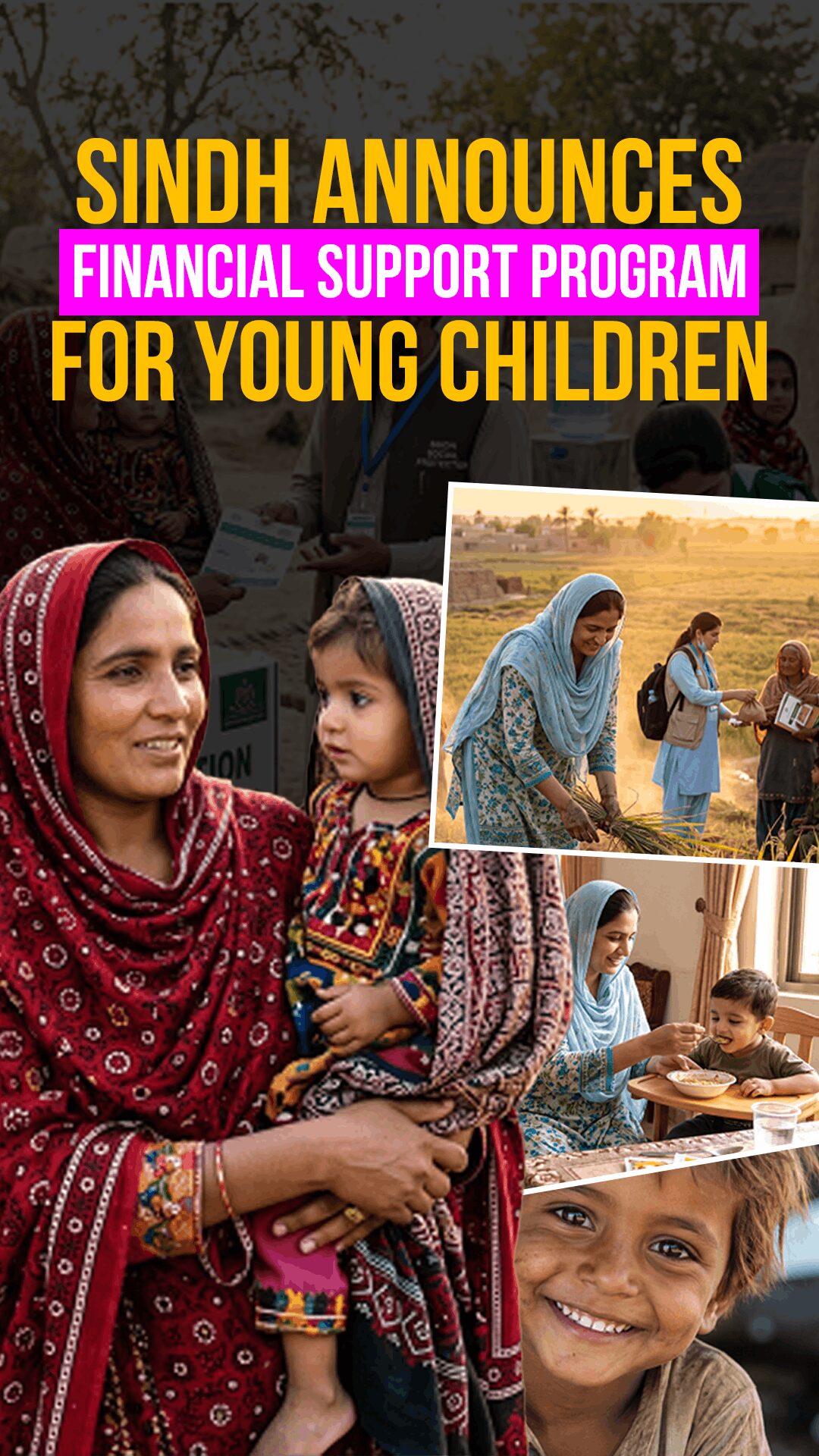
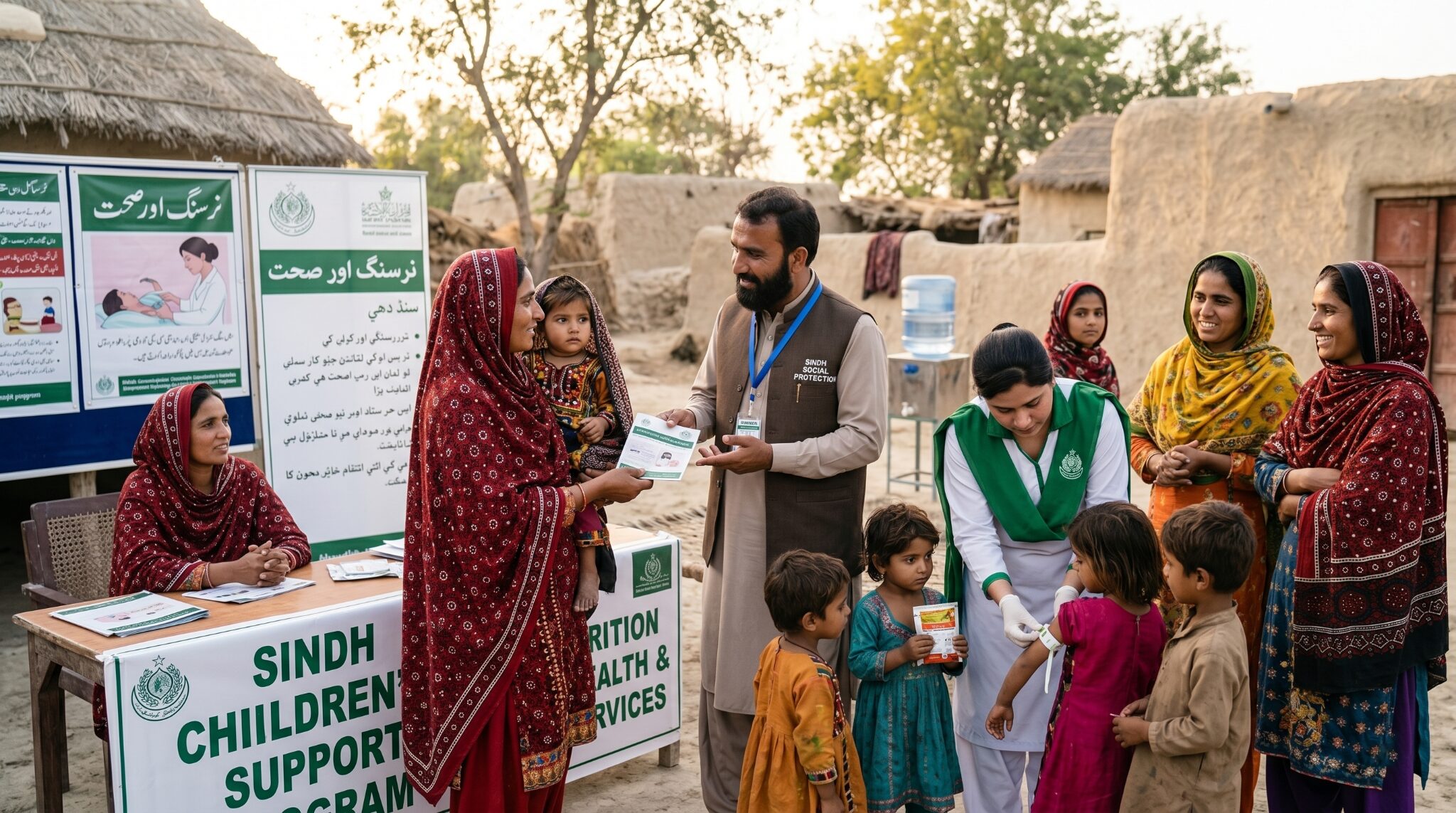
The Sindh government has launched a new social protection initiative aimed at supporting young children and low-income families across the province.
The program focuses on providing financial assistance to improve early childhood development outcomes and strengthen household stability.
Support will be given to children from birth up to five years of age. The initiative is designed to improve nutrition, healthcare access, and early developmental needs during critical growth years.

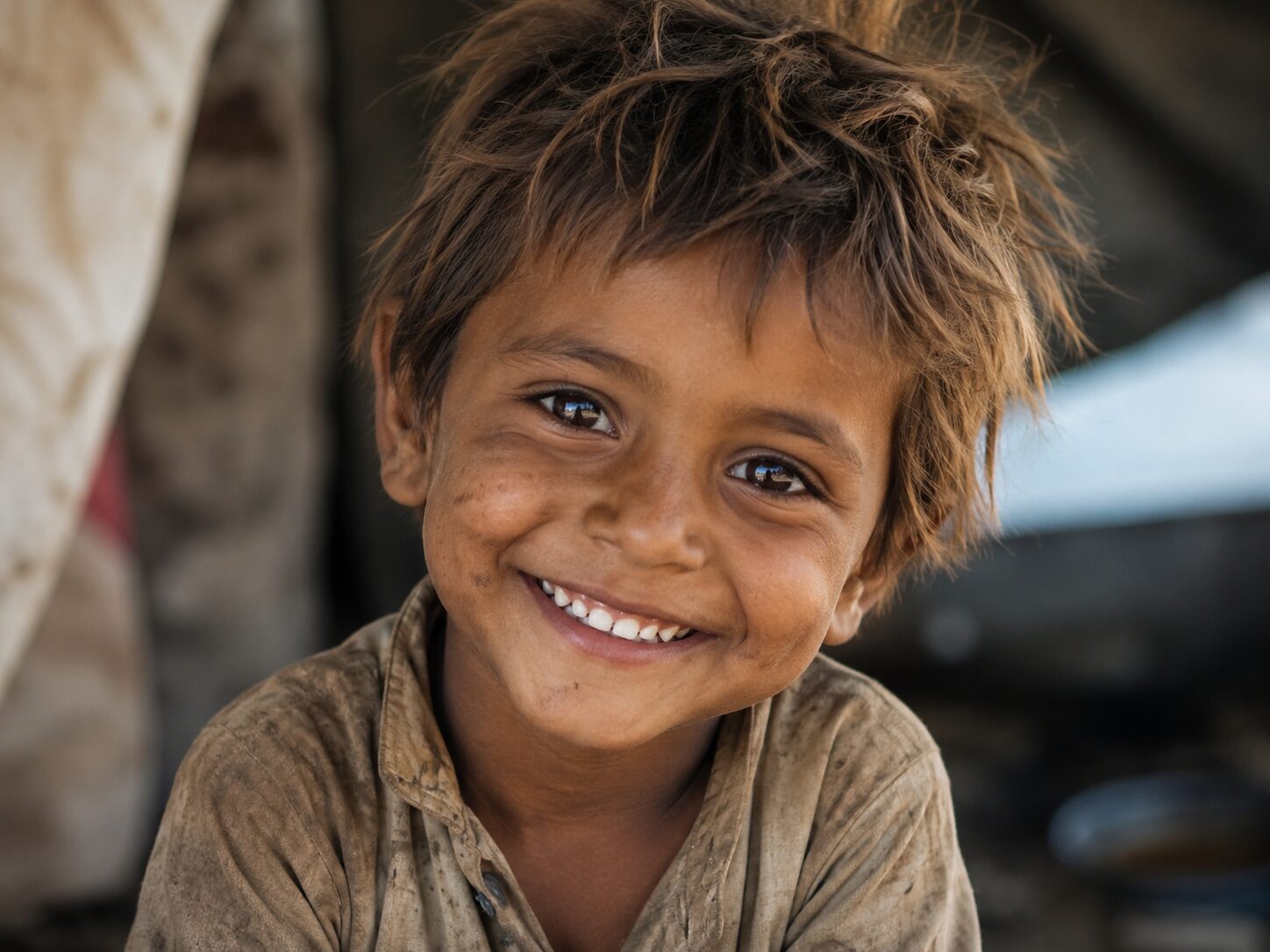
Under the newly approved Early Childhood Development (ECD) program, eligible children will receive Rs 3,000 in financial support. This initiative is expected to benefit nearly 885,000 children across Sindh.
The program particularly targets rural and underserved communities where access to healthcare and nutrition support is limited. Authorities emphasize inclusive coverage for low-income households.
Key focus areas include child growth monitoring, nutrition awareness, and preparing children for
better school readiness during their early developmental years.
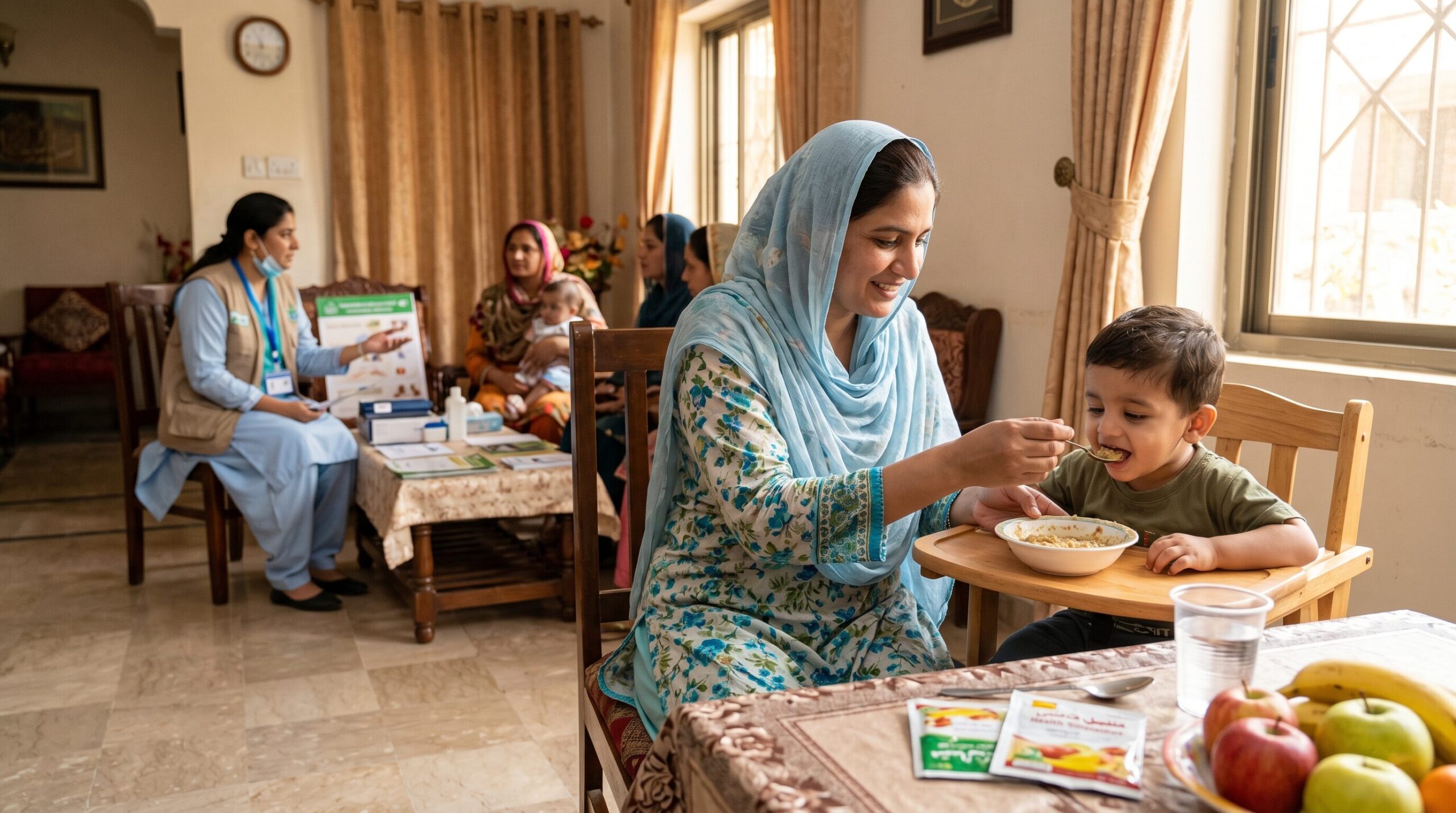
The program aims to address critical issues related to child nutrition, healthcare access, and poverty reduction across Sindh. Financial assistance is expected to help families manage rising living costs
more effectively.
By supporting early childhood development, the government hopes to improve health outcomes for both mothers and children, especially in disadvantaged areas. Early intervention is considered essential for long-term development.
Experts believe that investing in nutrition and healthcare during early years can significantly improve future education.
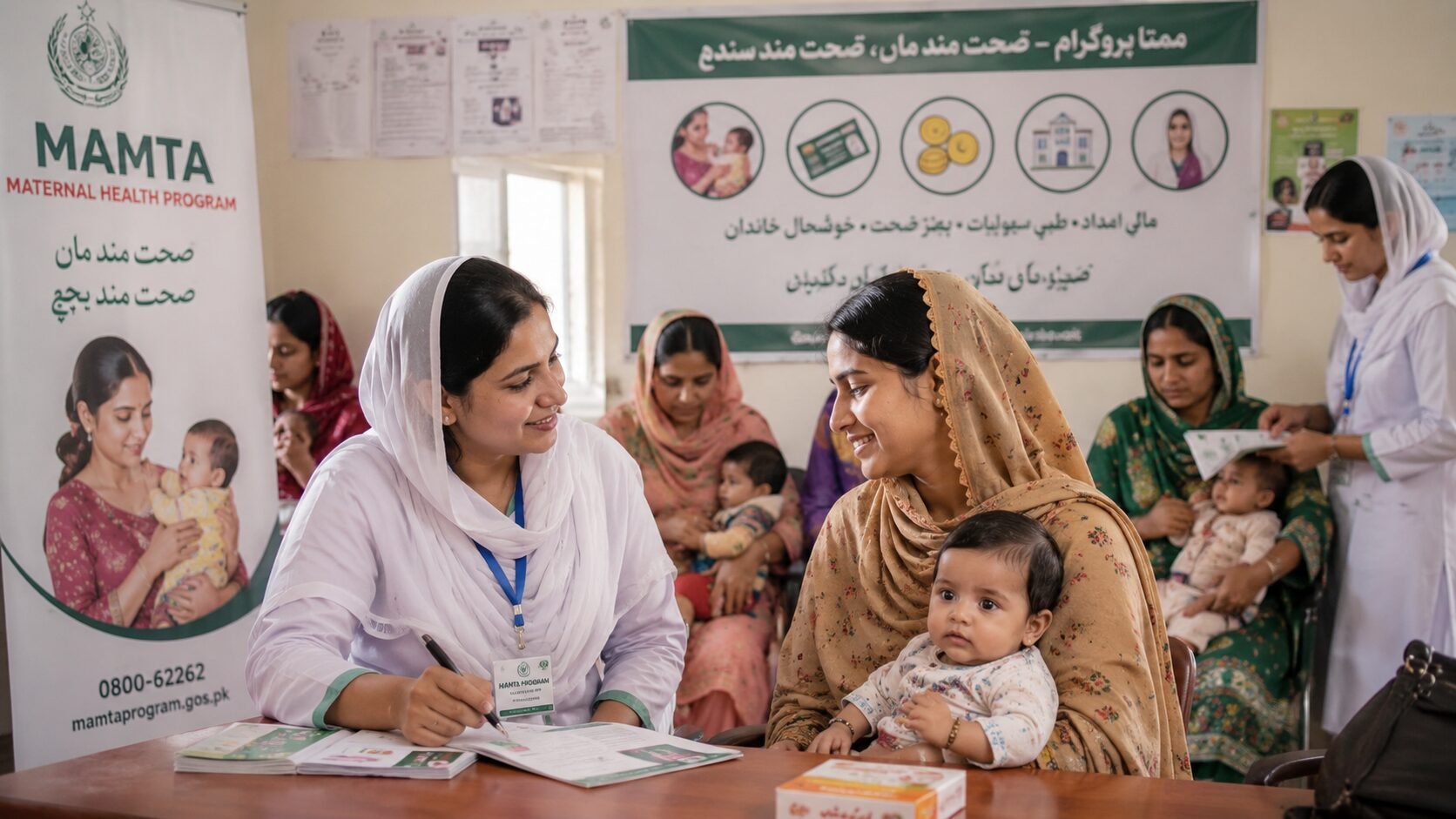
Alongside the new initiative, the Sindh government is expanding the Mamta maternal health program, which currently operates in 22 districts. The program provides financial and healthcare support for mothers and children.
It now benefits more than one million registered families across the province. The initiative focuses on improving maternal health, child wellbeing, and access to essential healthcare services.
Authorities are also introducing improvements in payment systems and healthcare delivery to make the program more efficient and accessible.
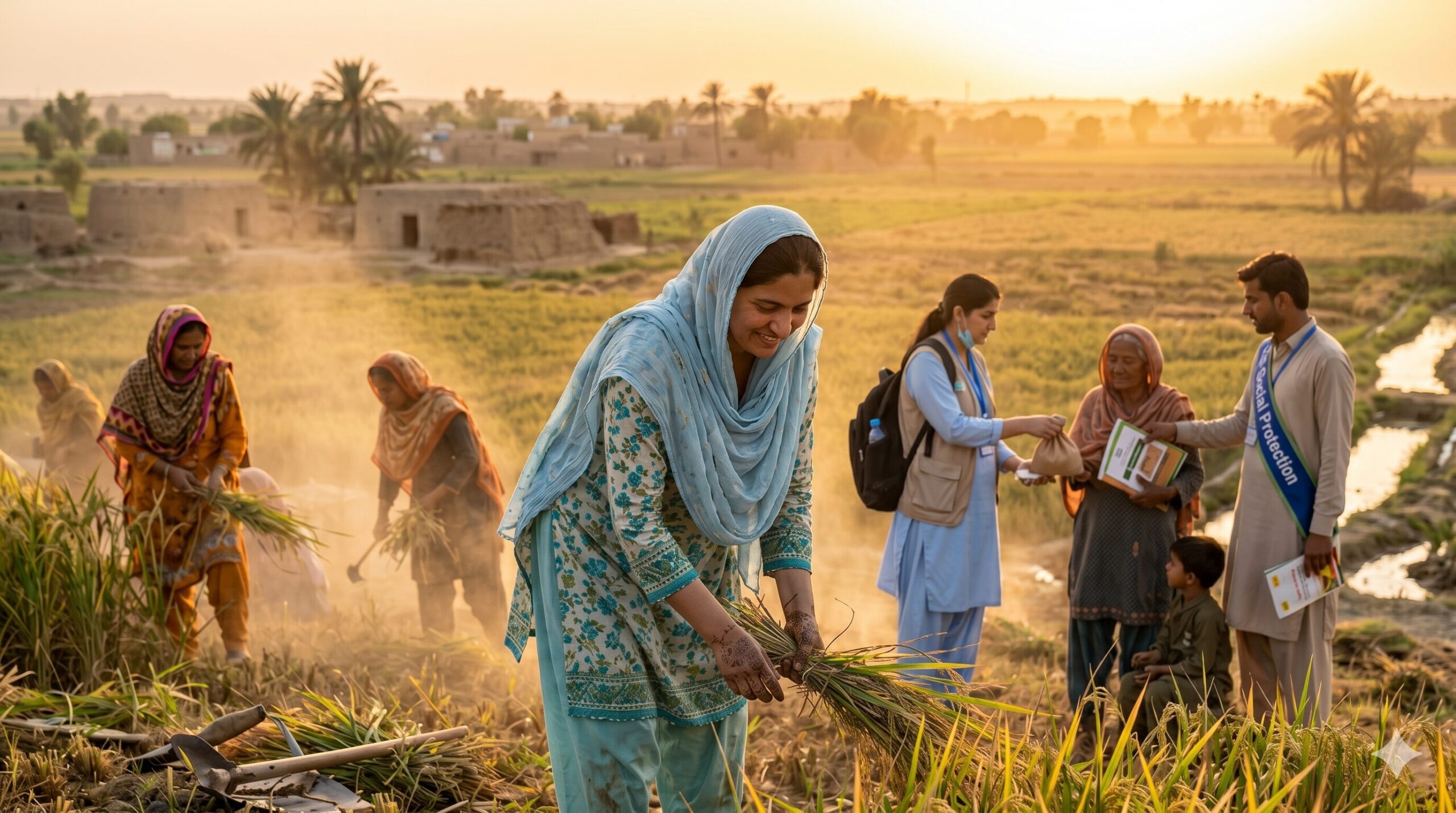
The broader social protection strategy also includes seasonal financial assistance for women working in agriculture and low-income rural households with unstable incomes. These measures aim to strengthen financial resilience.
Officials believe that combined welfare programs can help reduce poverty, improve food security, and enhance overall social protection systems in Sindh.
Such initiatives are expected to provide long-term stability for vulnerable communities by supporting income security and basic welfare needs.
The Sindh government has launched a new social protection initiative aimed at supporting young children and low-income families across the province.
The Sindh government has launched a new social protection initiative aimed at supporting young children and low-income families across the province.
The program focuses on providing financial assistance to improve early childhood development outcomes and strengthen household stability.
Support will be given to children from birth up to five years of age. The initiative is designed to improve nutrition, healthcare access, and early developmental needs during critical growth years.
Under the newly approved Early Childhood Development (ECD) program, eligible children will receive Rs 3,000 in financial support. This initiative is expected to benefit nearly 885,000 children across Sindh.
The program particularly targets rural and underserved communities where access to healthcare and nutrition support is limited. Authorities emphasize inclusive coverage for low-income households.
Key focus areas include child growth monitoring, nutrition awareness, and preparing children for
better school readiness during their early developmental years.
The program aims to address critical issues related to child nutrition, healthcare access, and poverty reduction across Sindh. Financial assistance is expected to help families manage rising living costs
more effectively.
By supporting early childhood development, the government hopes to improve health outcomes for both mothers and children, especially in disadvantaged areas. Early intervention is considered essential for long-term development.
Experts believe that investing in nutrition and healthcare during early years can significantly improve future education.
Alongside the new initiative, the Sindh government is expanding the Mamta maternal health program, which currently operates in 22 districts. The program provides financial and healthcare support for mothers and children.
It now benefits more than one million registered families across the province. The initiative focuses on improving maternal health, child wellbeing, and access to essential healthcare services.
Authorities are also introducing improvements in payment systems and healthcare delivery to make the program more efficient and accessible.
The broader social protection strategy also includes seasonal financial assistance for women working in agriculture and low-income rural households with unstable incomes. These measures aim to strengthen financial resilience.
Officials believe that combined welfare programs can help reduce poverty, improve food security, and enhance overall social protection systems in Sindh.
Such initiatives are expected to provide long-term stability for vulnerable communities by supporting income security and basic welfare needs.