Pakistan’s First Private Textile Museum Celebrates Rich Heritage
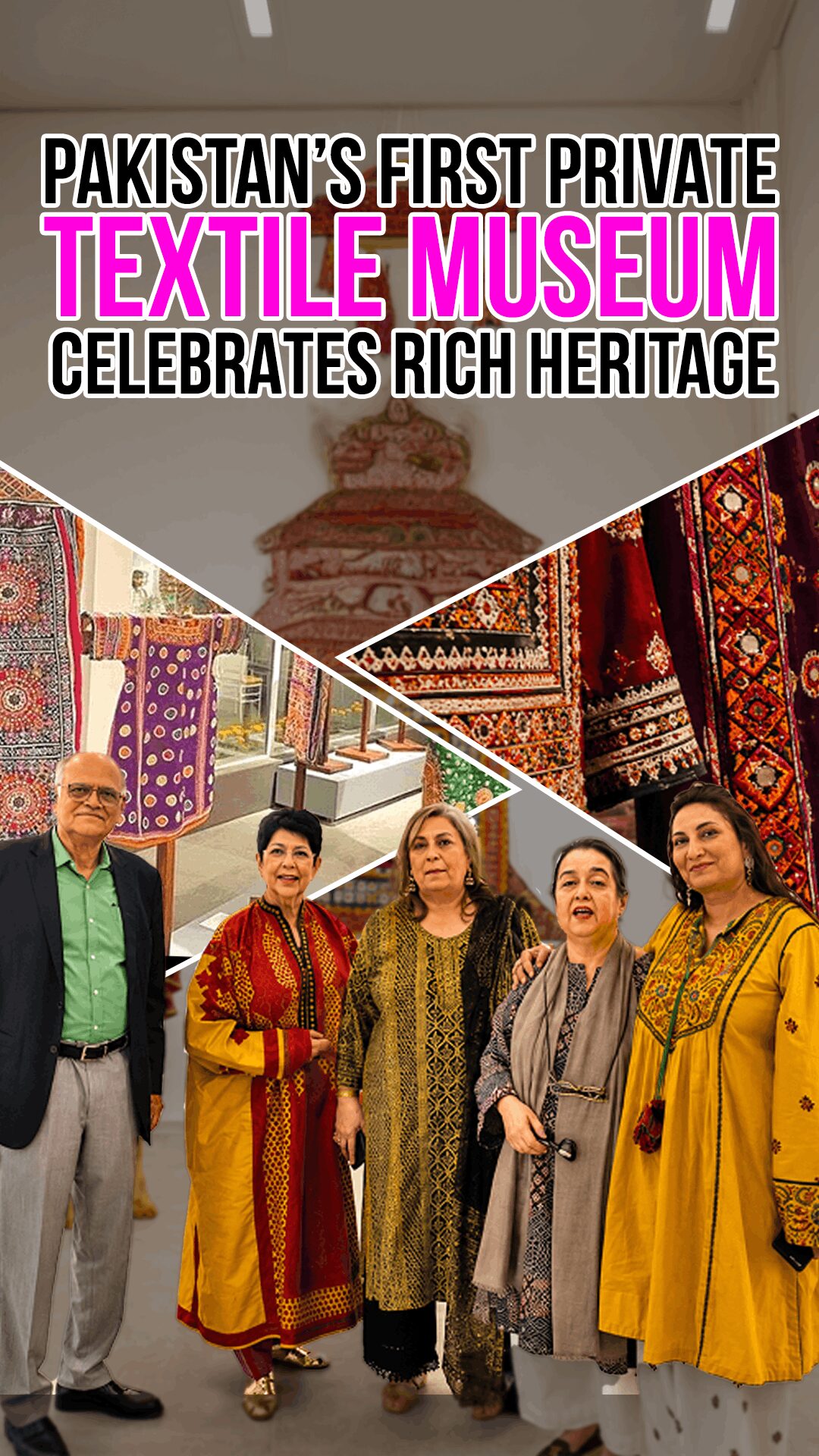
A private museum in Pakistan has become the first of its kind to formally honor the country’s rich textile heritage. This initiative highlights centuries-old traditions of weaving, embroidery, and fabric-making that define cultural identity across regions.
The museum showcases how textiles reflect Pakistan’s diverse artistic and historical legacy, connecting craft with heritage. It emphasizes the importance of preserving traditional knowledge.
By presenting these artifacts in a curated space, the project helps raise awareness about cultural preservation.

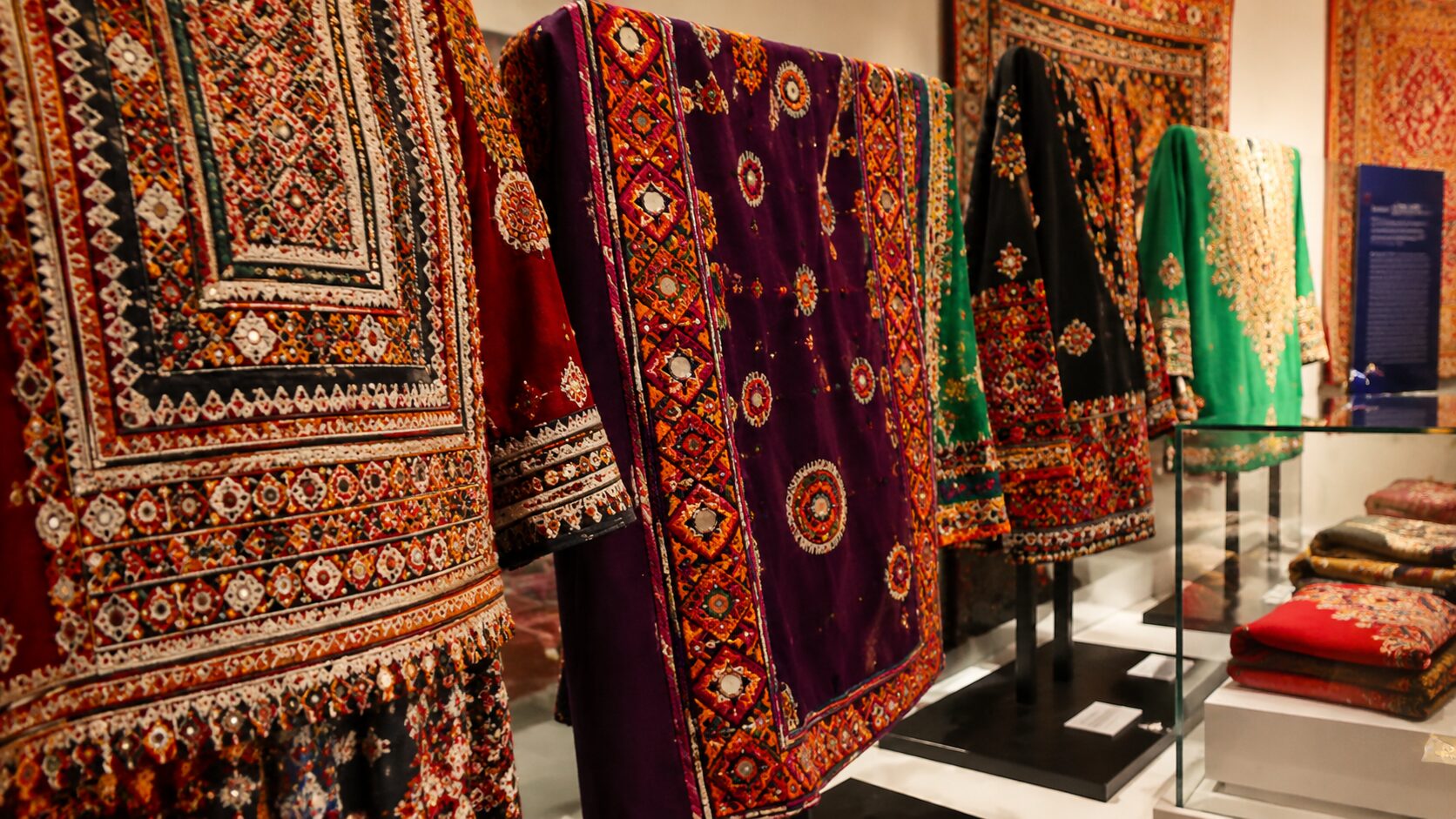
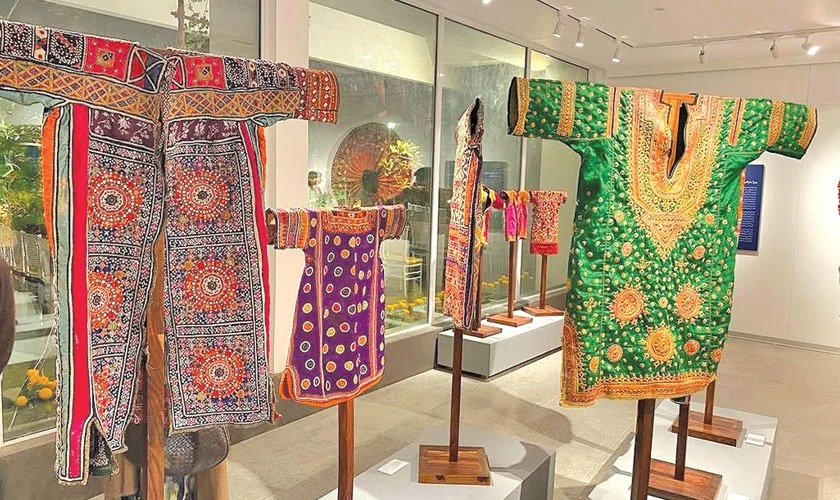
The museum features rare and handcrafted textiles collected from different regions of Pakistan, including Sindh, Punjab, and Balochistan. Each piece reflects distinct regional styles and techniques.
These textiles represent intricate handwork, cultural symbolism, and storytelling traditions passed down through generations of skilled artisans. Every exhibit highlights unique craftsmanship that defines local identities.
By preserving and displaying these works, the museum helps document disappearing art forms.
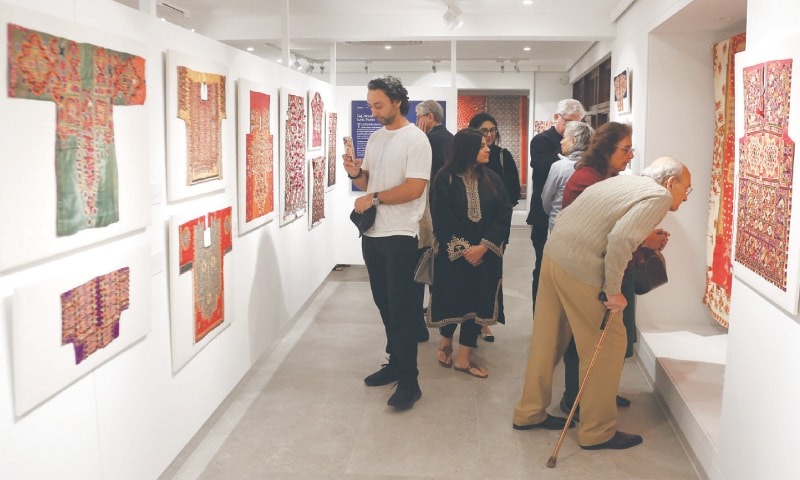
The museum was founded by private collectors driven by a passion for preserving fading craft traditions and documenting textile history. Years of collecting rare fabrics, garments, and handcrafted pieces formed the foundation of this initiative.
Their vision was to create a public space where cultural preservation and education come together. The collection reflects dedication to safeguarding heritage.
By transforming private collections into an accessible museum, the founders aim to ensure that traditional textile knowledge is not lost and remains available for future generati
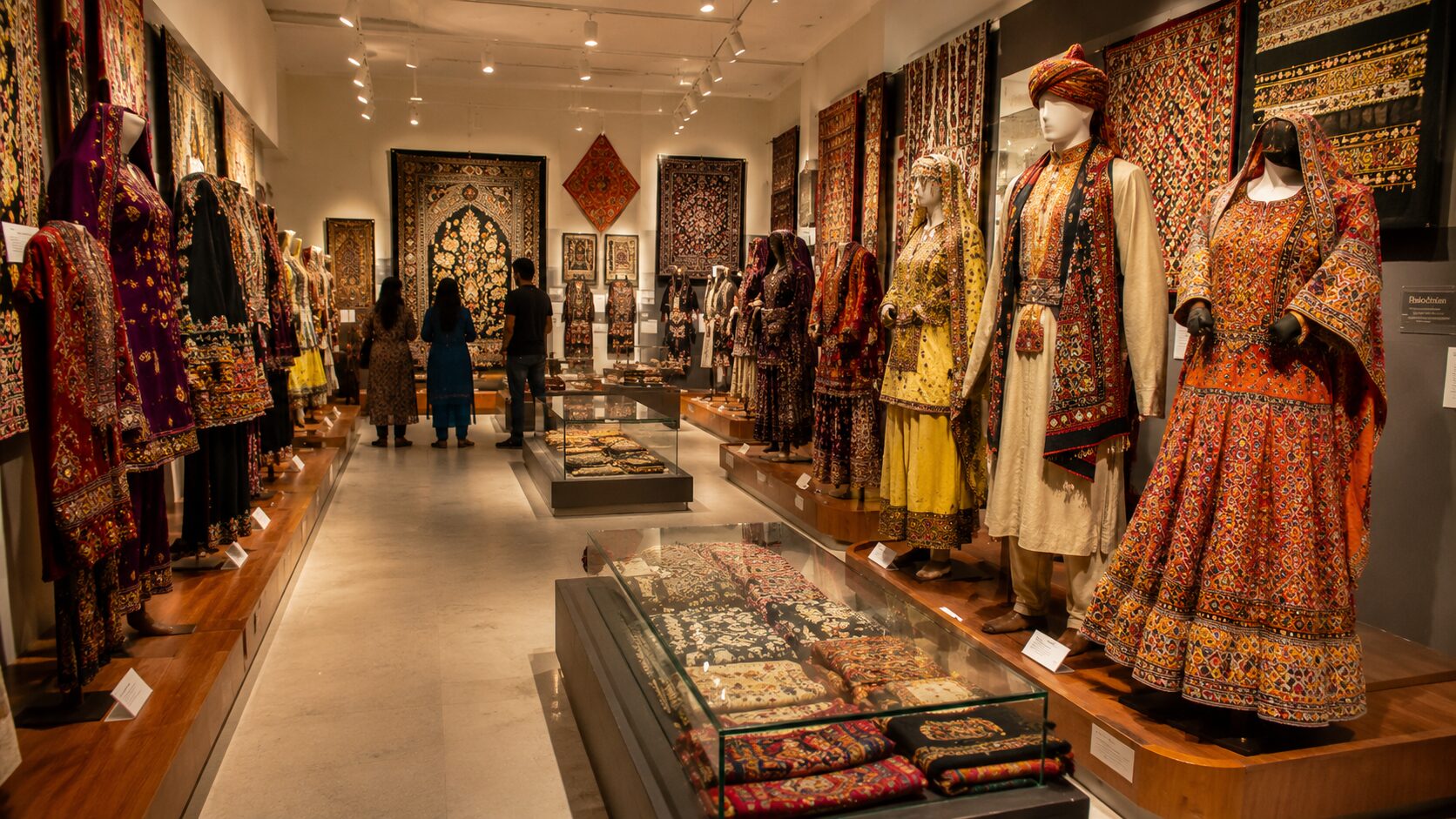
The museum’s collection reflects Pakistan’s cultural diversity, where every fabric represents identity, tradition, and community history. Textiles are shown not just as materials, but as storytelling mediums.
From ceremonial attire to everyday clothing, the exhibits demonstrate how deeply textiles are embedded in social and cultural life. Each piece reflects regional customs and craftsmanship.
This diversity highlights the richness of Pakistan’s heritage, showing how different communities contribute to a shared cultural identity through fabric, design, and traditional artistry.
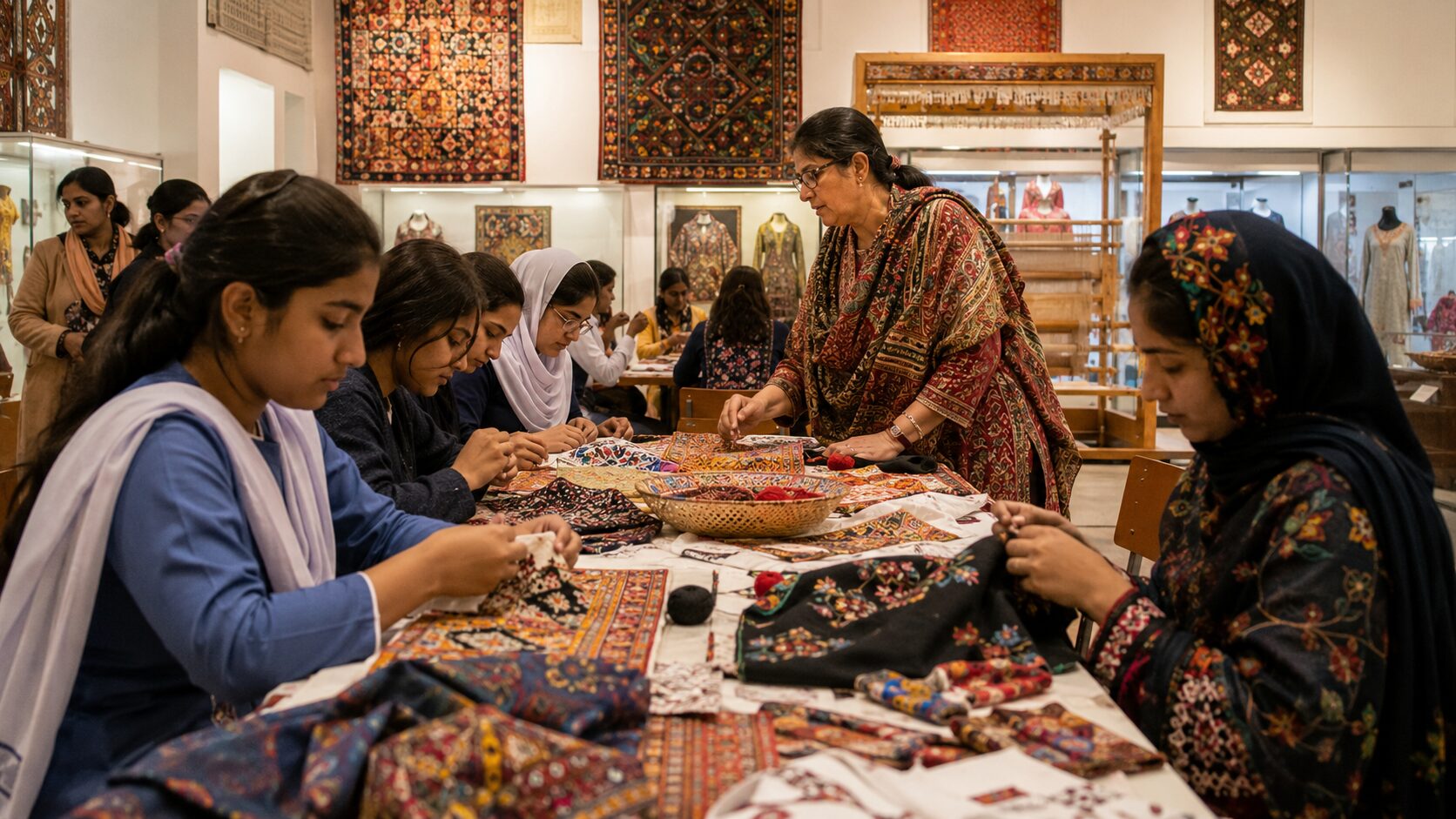
Beyond preservation, the museum aims to educate visitors and support traditional artisans who continue these craft practices. It serves as a bridge between heritage and modern audiences.
By connecting historical textiles with contemporary viewers, the initiative promotes cultural awareness and appreciation for traditional craftsmanship. It also encourages dialogue around sustaining endangered art forms.
The museum plays an important role in ensuring that Pakistan’s textile traditions are not only preserved but also passed on to future generations, strengthening cultural continu
A private museum in Pakistan has become the first of its kind to formally honor the country’s rich textile heritage.
A private museum in Pakistan has become the first of its kind to formally honor the country’s rich textile heritage. This initiative highlights centuries-old traditions of weaving, embroidery, and fabric-making that define cultural identity across regions.
The museum showcases how textiles reflect Pakistan’s diverse artistic and historical legacy, connecting craft with heritage. It emphasizes the importance of preserving traditional knowledge.
By presenting these artifacts in a curated space, the project helps raise awareness about cultural preservation.
The museum features rare and handcrafted textiles collected from different regions of Pakistan, including Sindh, Punjab, and Balochistan. Each piece reflects distinct regional styles and techniques.
These textiles represent intricate handwork, cultural symbolism, and storytelling traditions passed down through generations of skilled artisans. Every exhibit highlights unique craftsmanship that defines local identities.
By preserving and displaying these works, the museum helps document disappearing art forms.
The museum was founded by private collectors driven by a passion for preserving fading craft traditions and documenting textile history. Years of collecting rare fabrics, garments, and handcrafted pieces formed the foundation of this initiative.
Their vision was to create a public space where cultural preservation and education come together. The collection reflects dedication to safeguarding heritage.
By transforming private collections into an accessible museum, the founders aim to ensure that traditional textile knowledge is not lost and remains available for future generati
The museum’s collection reflects Pakistan’s cultural diversity, where every fabric represents identity, tradition, and community history. Textiles are shown not just as materials, but as storytelling mediums.
From ceremonial attire to everyday clothing, the exhibits demonstrate how deeply textiles are embedded in social and cultural life. Each piece reflects regional customs and craftsmanship.
This diversity highlights the richness of Pakistan’s heritage, showing how different communities contribute to a shared cultural identity through fabric, design, and traditional artistry.
Beyond preservation, the museum aims to educate visitors and support traditional artisans who continue these craft practices. It serves as a bridge between heritage and modern audiences.
By connecting historical textiles with contemporary viewers, the initiative promotes cultural awareness and appreciation for traditional craftsmanship. It also encourages dialogue around sustaining endangered art forms.
The museum plays an important role in ensuring that Pakistan’s textile traditions are not only preserved but also passed on to future generations, strengthening cultural continu