LUMS Secures Major Grant to Launch Pakistan’s First National AI Hub
Lahore University of Management Sciences (LUMS) has received a multi-year grant from the Bill & Melinda Gates Foundation to establish Pakistan’s first nationally coordinated Artificial Intelligence (AI) Hub.
The initiative aims to strengthen research, innovation, and practical applications of AI in public-sector development across the country.
The hub will function as a long-term national platform for advancing technology and data-driven solutions. Its initial focus will be maternal, newborn, and child health (MNCH), with plans to expand into other critical development sectors

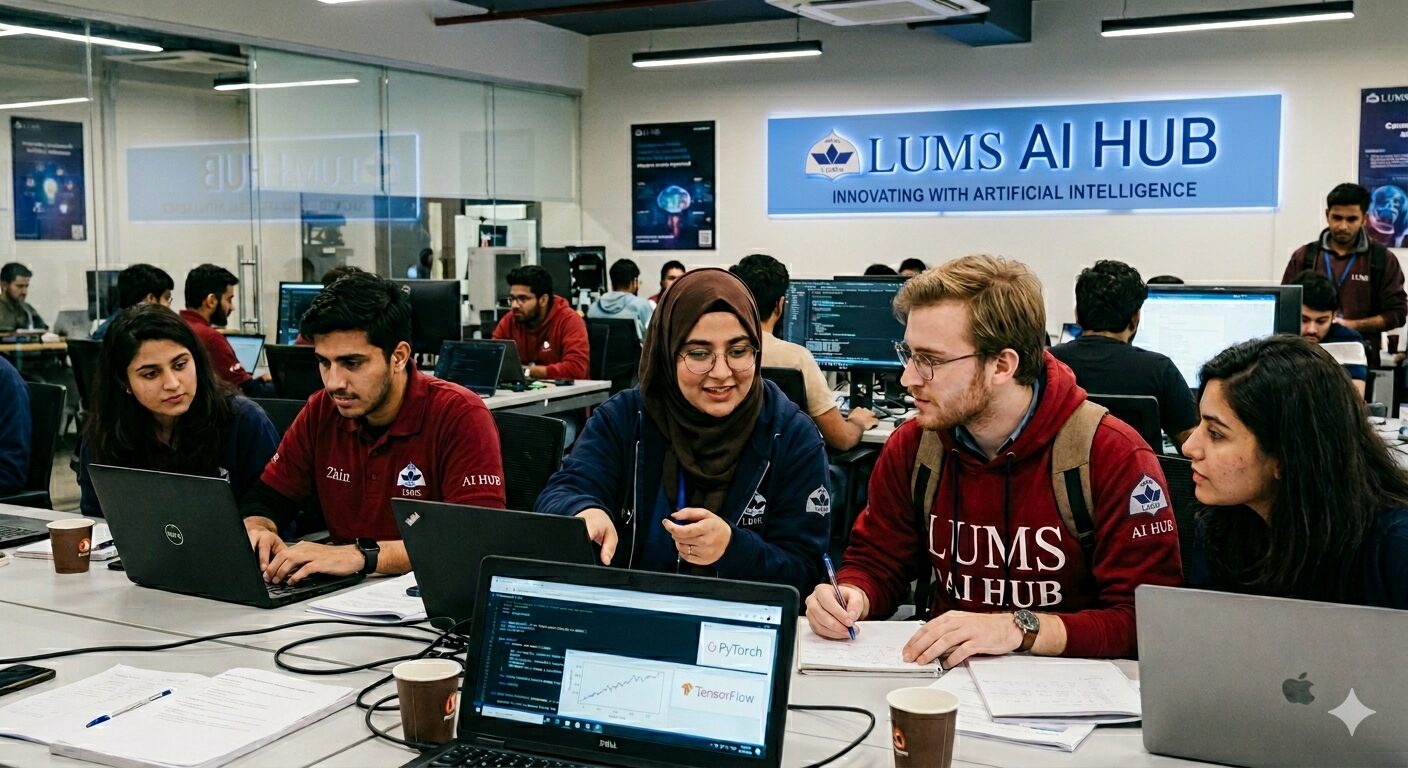
The AI Hub will initially focus on improving maternal, newborn, and child health outcomes in Pakistan, where healthcare challenges remain significant.
Artificial intelligence will be used to support early diagnosis, risk prediction, and better clinical decision-making for healthcare providers.
LUMS will collaborate with Aga Khan University (AKU) to combine expertise in AI research and medical science.
This partnership aims to develop data-driven healthcare solutions that can be implemented in underserved and rural communities to improve access, efficiency, and quality of c
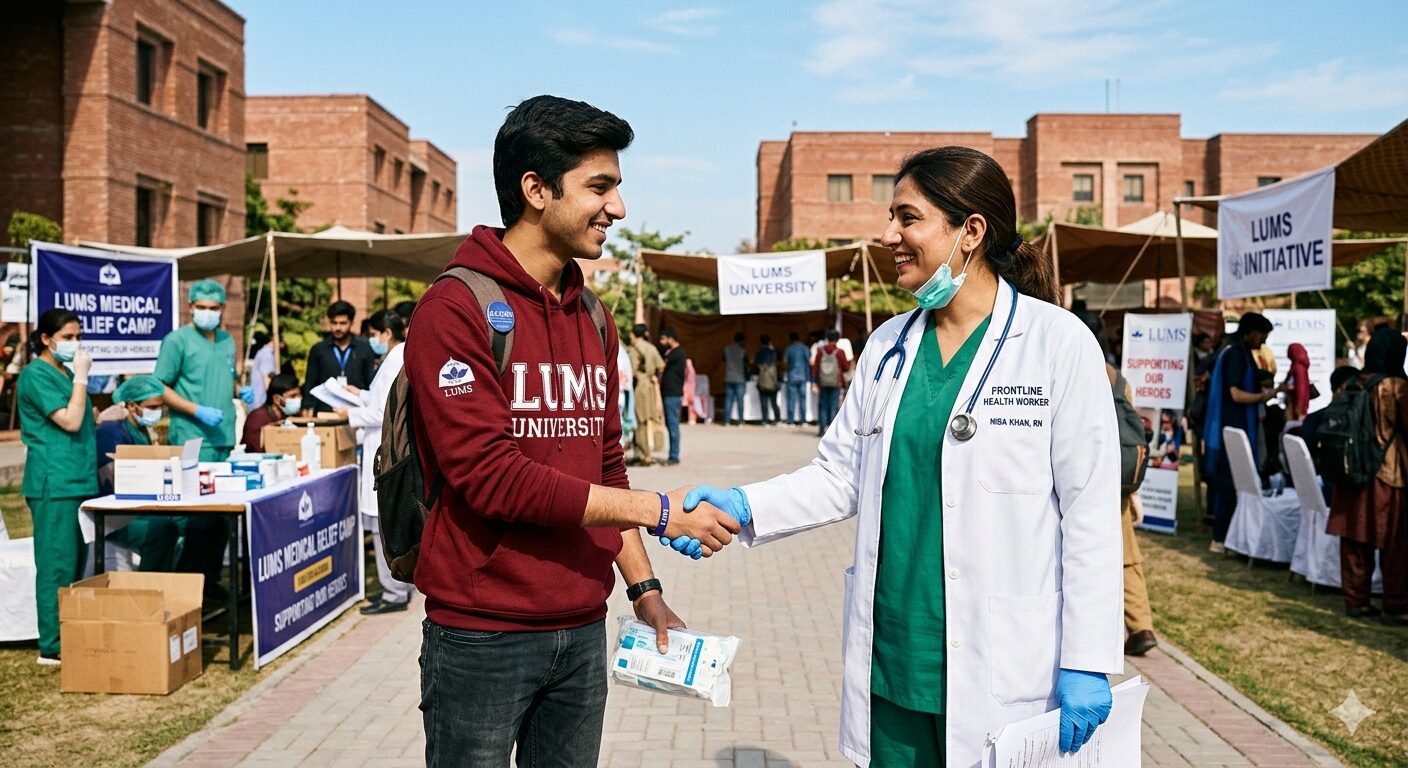
The initiative will introduce AI-based tools for frontline healthcare systems, including predictive analytics, multilingual digital assistants, and electronic patient tracking systems.
These tools are designed to help healthcare workers make faster and more accurate decisions in real time.
By strengthening referral systems and improving continuity of care, the project aims to reduce delays
in treating pregnancy and childbirth complications. This is especially important in remote areas of Pakistan.
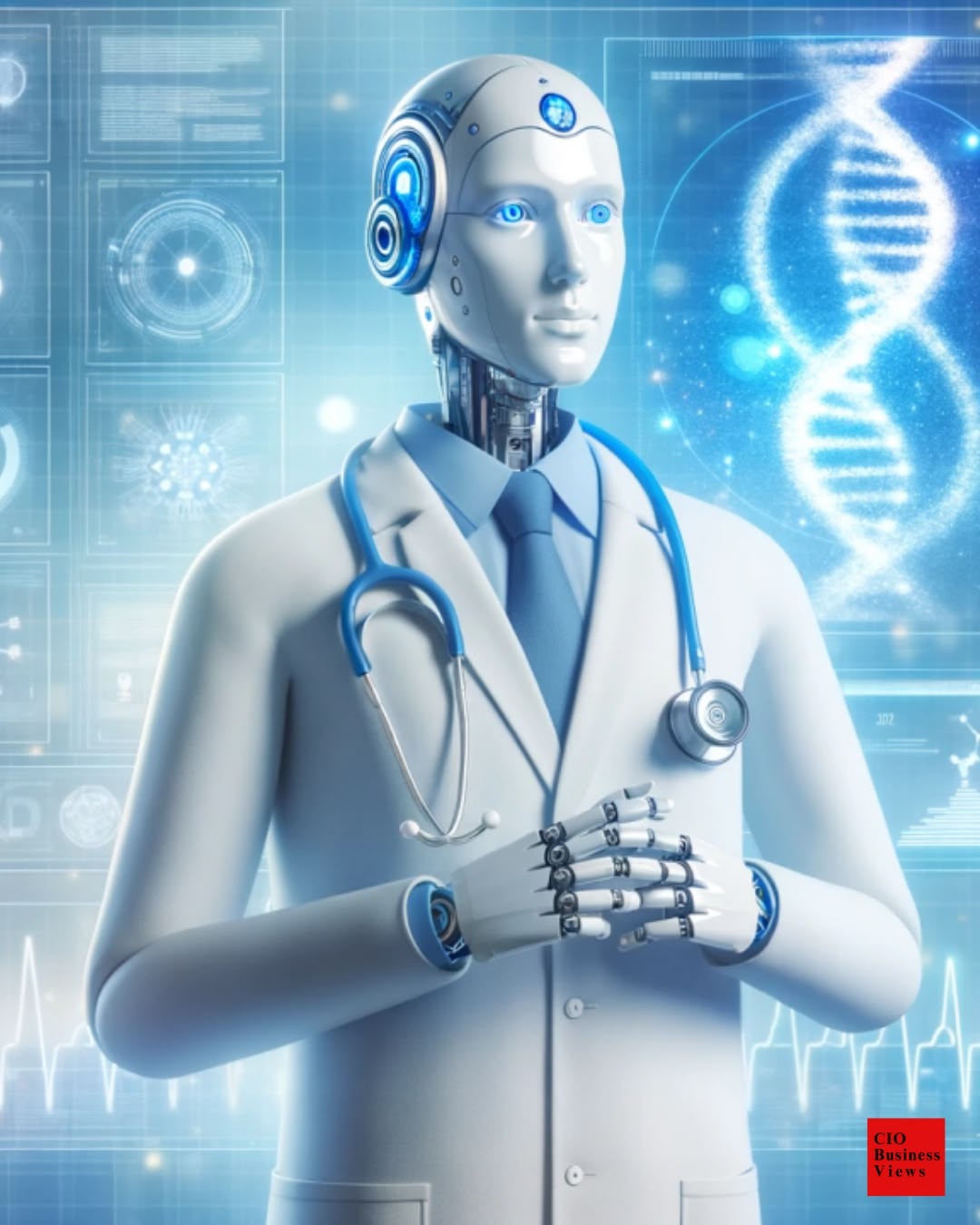
Beyond healthcare, the AI Hub will serve as a national platform for responsible artificial intelligence research, innovation, and policy development.
It will encourage collaboration between universities, government institutions, and the private sector.
The initiative will also support startups and innovators working on AI-driven solutions for social impact.
By building technical capacity and fostering innovation, the hub aims to contribute to Pakistan’s digital transformation and align with global Sustainable Development Goals focused on health, innovation, and inclusive gro
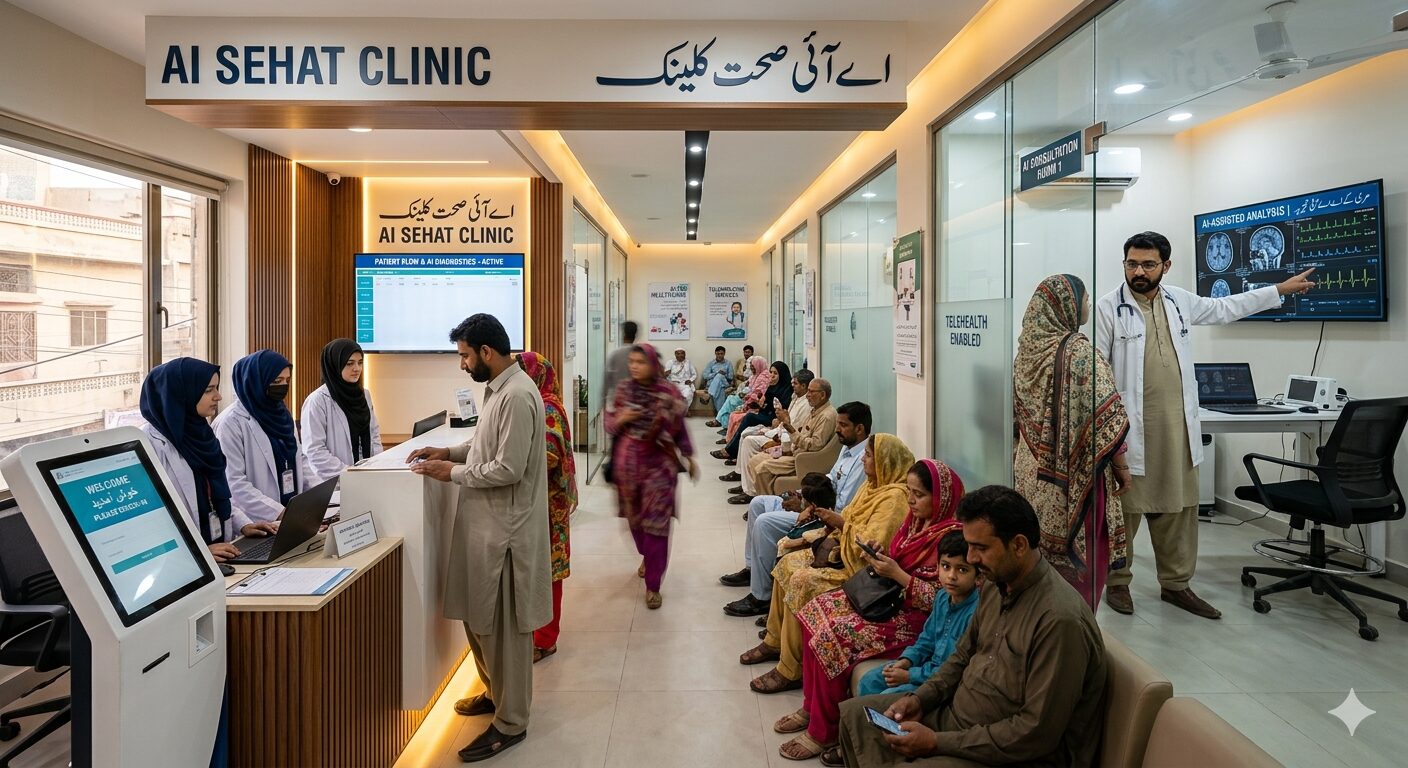
With this initiative, Pakistan joins other countries investing in national-level artificial intelligence systems for public benefit.
The project highlights the growing role of AI in solving healthcare and development challenges.
Over time, the AI Hub is expected to improve healthcare delivery, strengthen research capacity, and support evidence-based policymaking.
It also reflects a global shift toward responsible use of AI to enhance public services, improve efficiency, and create long-term societal impact.
Lahore University of Management Sciences (LUMS) has received a multi-year grant from the Bill & Melinda Gates Foundation to establish Pakistan’s first nationally coordinated Artificial Intelligence (AI) Hub.
Lahore University of Management Sciences (LUMS) has received a multi-year grant from the Bill & Melinda Gates Foundation to establish Pakistan’s first nationally coordinated Artificial Intelligence (AI) Hub.
The initiative aims to strengthen research, innovation, and practical applications of AI in public-sector development across the country.
The hub will function as a long-term national platform for advancing technology and data-driven solutions. Its initial focus will be maternal, newborn, and child health (MNCH), with plans to expand into other critical development sectors
The AI Hub will initially focus on improving maternal, newborn, and child health outcomes in Pakistan, where healthcare challenges remain significant.
Artificial intelligence will be used to support early diagnosis, risk prediction, and better clinical decision-making for healthcare providers.
LUMS will collaborate with Aga Khan University (AKU) to combine expertise in AI research and medical science.
This partnership aims to develop data-driven healthcare solutions that can be implemented in underserved and rural communities to improve access, efficiency, and quality of c
The initiative will introduce AI-based tools for frontline healthcare systems, including predictive analytics, multilingual digital assistants, and electronic patient tracking systems.
These tools are designed to help healthcare workers make faster and more accurate decisions in real time.
By strengthening referral systems and improving continuity of care, the project aims to reduce delays
in treating pregnancy and childbirth complications. This is especially important in remote areas of Pakistan.
Beyond healthcare, the AI Hub will serve as a national platform for responsible artificial intelligence research, innovation, and policy development.
It will encourage collaboration between universities, government institutions, and the private sector.
The initiative will also support startups and innovators working on AI-driven solutions for social impact.
By building technical capacity and fostering innovation, the hub aims to contribute to Pakistan’s digital transformation and align with global Sustainable Development Goals focused on health, innovation, and inclusive gro
With this initiative, Pakistan joins other countries investing in national-level artificial intelligence systems for public benefit.
The project highlights the growing role of AI in solving healthcare and development challenges.
Over time, the AI Hub is expected to improve healthcare delivery, strengthen research capacity, and support evidence-based policymaking.
It also reflects a global shift toward responsible use of AI to enhance public services, improve efficiency, and create long-term societal impact.