A Growing Culture of Volunteer Led Food Support in Pakistan
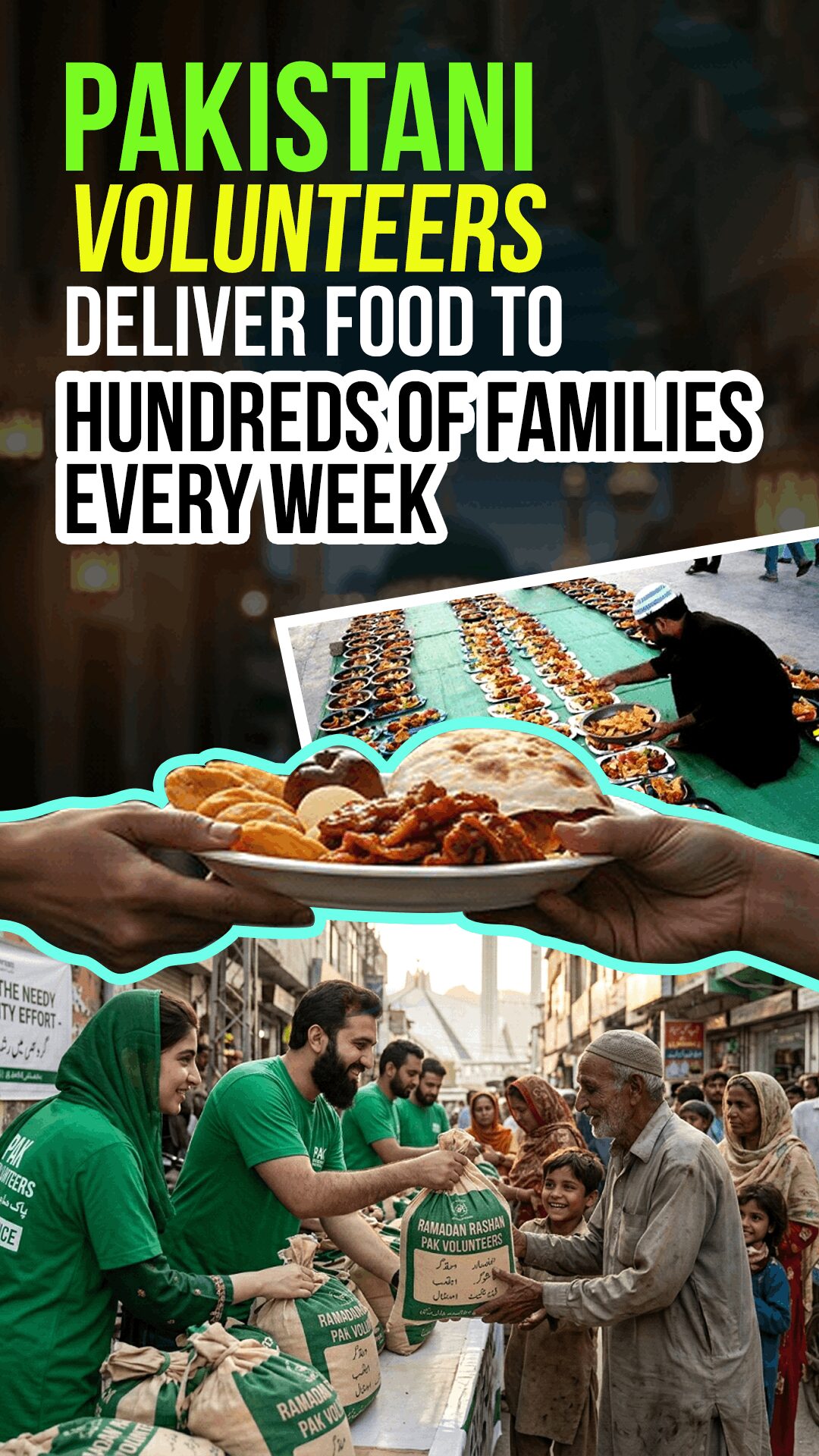
Across Pakistan, volunteer groups and community organizations continue to play a vital role in providing food and essential supplies to families facing economic hardship.
These efforts are especially visible during Ramadan, when the tradition of sharing meals and supporting those in need becomes a central part of social life.
One notable example is the “Caring Kitchen” initiative, a collaborative effort involving the China Pakistan Youth Exchange Community (CPYEC) and partner charity groups.

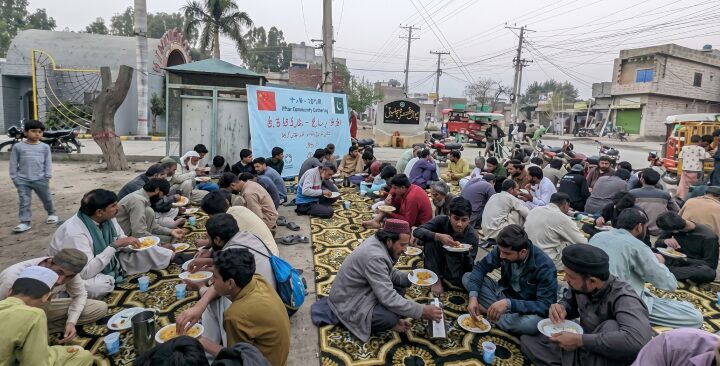
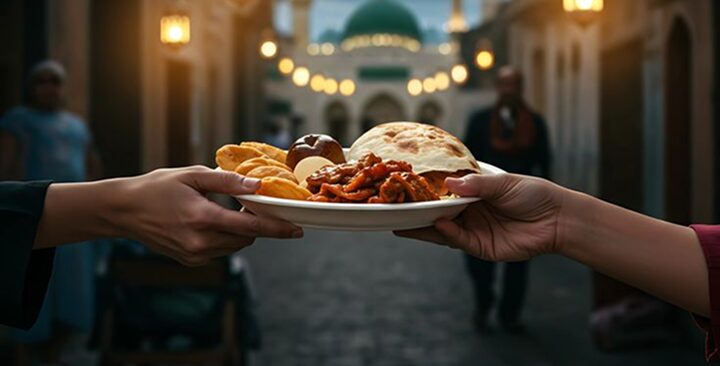
During Ramadan 2026, volunteers have been preparing and distributing 200 to 300 freshly cooked iftar meals daily for struggling families in cities including Islamabad, Gujranwala, Gilgit, and Azad Kashmir.
Alongside larger volunteer initiatives, smaller grassroots welfare organizations are also contributing significantly to food distribution efforts.
For example, the Tavvun Welfare Association recently distributed approximately 400 ration bags to underprivileged families in regions of Thatta and Karachi, including areas such as Gaddap, Lyari, Golimar, and Malir.
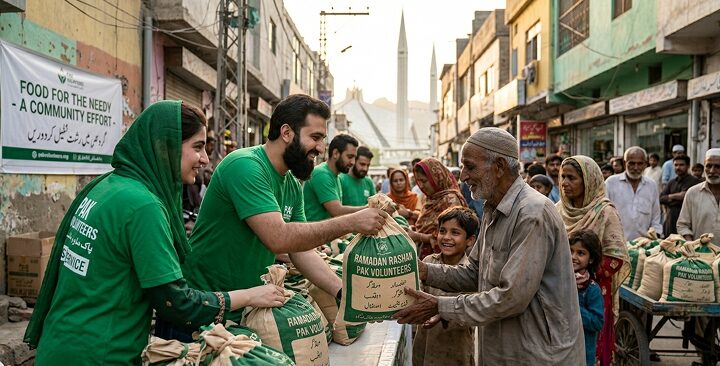
Many of these food distribution programs operate independently of large government initiatives and are driven primarily by local volunteers.
From preparing meals to organizing ration bags and managing distribution points, community members contribute time and effort purely out of goodwill. In urban areas especially, it is common to see volunteer-run dastarkhwans (community meal setups) where individuals gather to receive free meals.
Across Pakistan, volunteer groups and community organizations continue to play a vital role in providing food and essential supplies to families facing economic hardship.
These efforts are especially visible during Ramadan, when the tradition of sharing meals and supporting those in need becomes a central part of social life.
One notable example is the “Caring Kitchen” initiative, a collaborative effort involving the China Pakistan Youth Exchange Community (CPYEC) and partner charity groups.
During Ramadan 2026, volunteers have been preparing and distributing 200 to 300 freshly cooked iftar meals daily for struggling families in cities including Islamabad, Gujranwala, Gilgit, and Azad Kashmir.
Alongside larger volunteer initiatives, smaller grassroots welfare organizations are also contributing significantly to food distribution efforts.
For example, the Tavvun Welfare Association recently distributed approximately 400 ration bags to underprivileged families in regions of Thatta and Karachi, including areas such as Gaddap, Lyari, Golimar, and Malir.
Many of these food distribution programs operate independently of large government initiatives and are driven primarily by local volunteers.
From preparing meals to organizing ration bags and managing distribution points, community members contribute time and effort purely out of goodwill. In urban areas especially, it is common to see volunteer-run dastarkhwans (community meal setups) where individuals gather to receive free meals.