- Home
- /
- Innovation, Tech
CPEC: A Game Changer for Pakistani Infrastructure
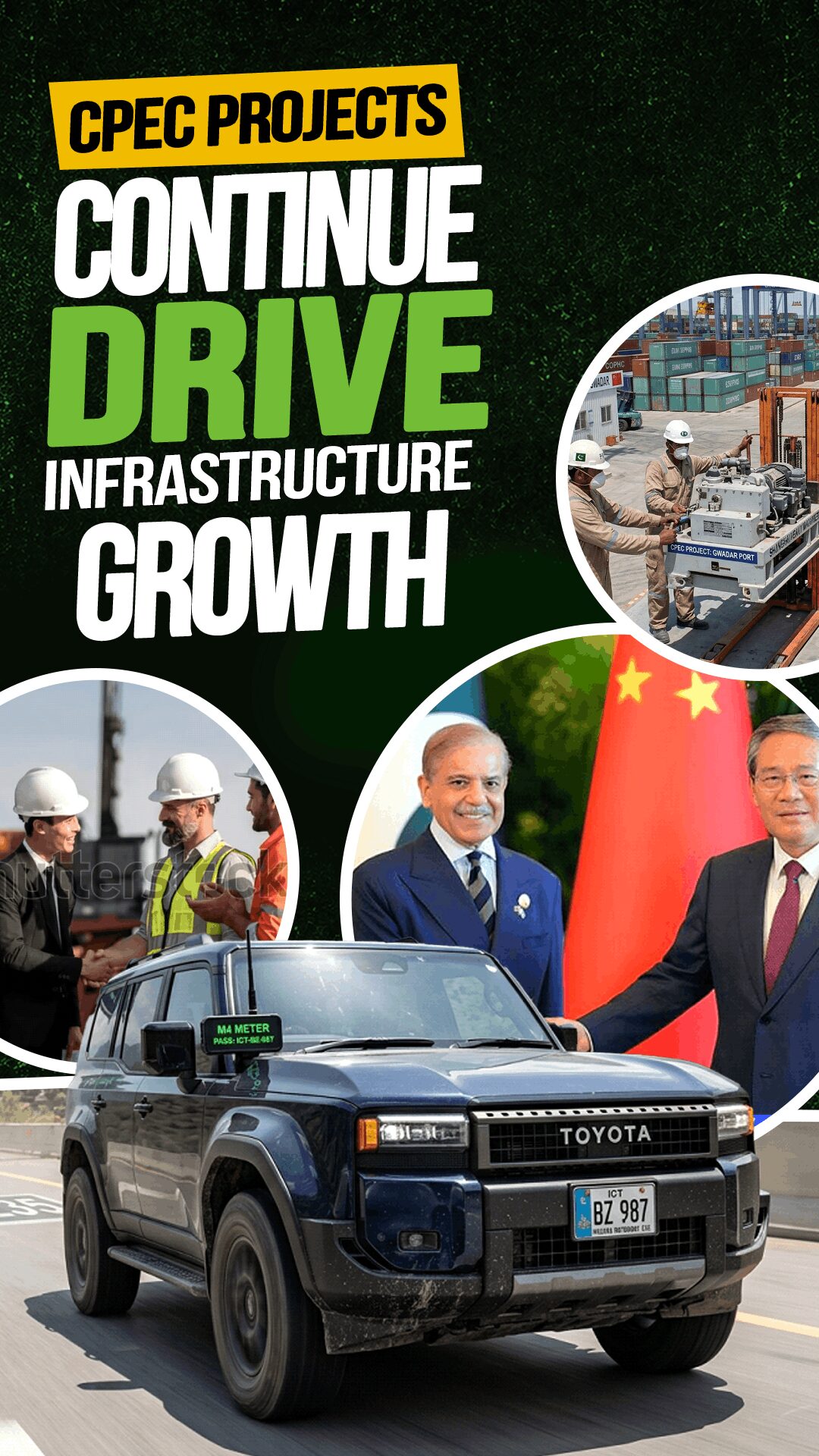
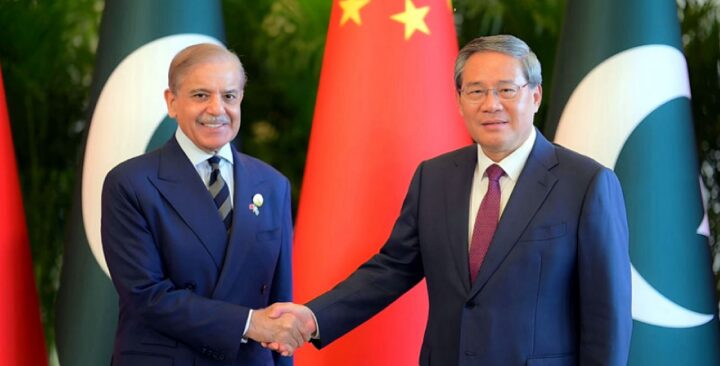
The China-Pakistan Economic Corridor (CPEC) is one of the most significant infrastructure and investment initiatives in Pakistan’s modern history.
Launched in 2013 as part of China’s Belt and Road Initiative, it has brought large-scale investment into Pakistan’s energy, transport, and industrial sectors.
Over the years, it has played a central role in improving infrastructure capacity and strengthening long-term economic connectivity between regions.
One of CPEC’s most impactful contributions has been in the energy sector.


Where it has helped reduce long-standing electricity shortages in Pakistan.
Large-scale power projects such as the Sahiwal Coal Power Plant, Port Qasim Power Plant, and Hub Power Project have added significant capacity to the national grid.
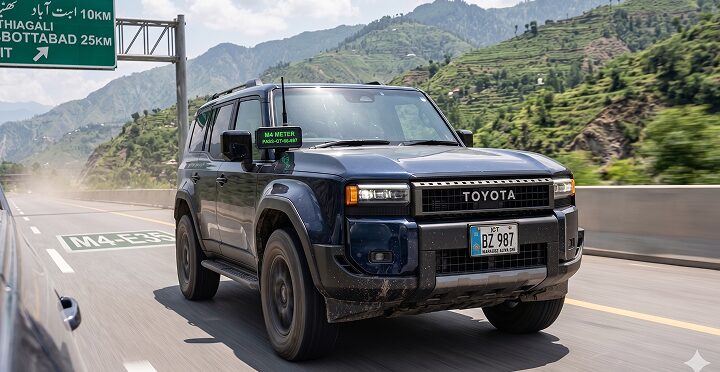
CPEC has significantly strengthened Pakistan’s transport and logistics infrastructure by developing new highways, motorways, and road networks across the country.
Projects such as the M-5 Motorway, Hazara Motorway, and upgraded western route highways have improved connectivity between provinces and reduced travel and transport costs.
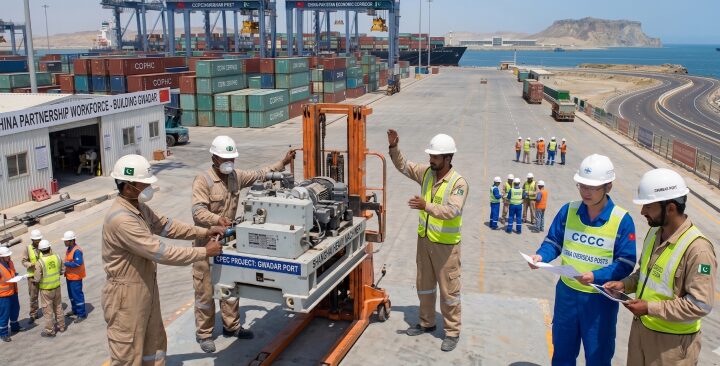
Gwadar is one of the most strategic components of CPEC and is being developed into a major deep-sea port and regional trade hub.
Located on the Arabian Sea, it is positioned to connect South Asia with Central Asia, the Middle East, and beyond.
Key infrastructure projects include the Gwadar Eastbay Expressway, New International Airport, desalination plants, hospitals, and port facilities.
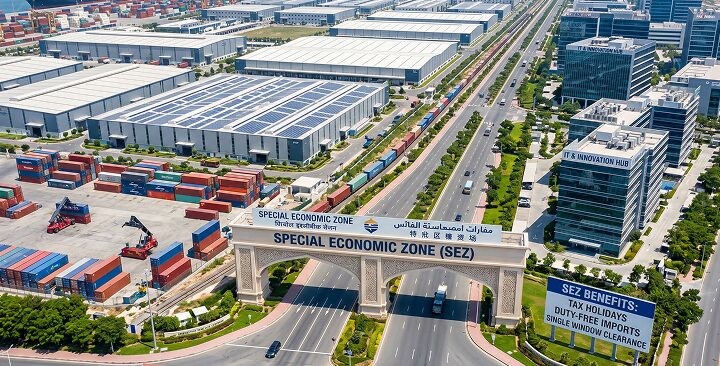
CPEC’s second phase focuses heavily on industrial development through Special Economic Zones such as Rashakai in Khyber Pakhtunkhwa, Allama Iqbal Industrial City in Faisalabad.
These zones are designed to attract both domestic and foreign investment by offering infrastructure, tax incentives, and industrial facilities.
While CPEC has delivered major improvements in infrastructure and energy, it also faces ongoing challenges. These include financial constraints, debt servicing concerns, policy consistency issues, and security challenges in certain regions.
However, both Pakistan and China continue to express commitment to the project’s long-term success.
Future development is expected to focus on sustainable energy, agriculture modernization, digital infrastructure, and industrial expansion under the next phase of cooperation.
Pak-China Economic Corridor is a major development initiative aimed at transforming Pakistan’s infrastructure through roads, energy projects, and trade connectivity.
The China-Pakistan Economic Corridor (CPEC) is one of the most significant infrastructure and investment initiatives in Pakistan’s modern history.
Launched in 2013 as part of China’s Belt and Road Initiative, it has brought large-scale investment into Pakistan’s energy, transport, and industrial sectors.
Over the years, it has played a central role in improving infrastructure capacity and strengthening long-term economic connectivity between regions.
One of CPEC’s most impactful contributions has been in the energy sector.
Where it has helped reduce long-standing electricity shortages in Pakistan.
Large-scale power projects such as the Sahiwal Coal Power Plant, Port Qasim Power Plant, and Hub Power Project have added significant capacity to the national grid.
CPEC has significantly strengthened Pakistan’s transport and logistics infrastructure by developing new highways, motorways, and road networks across the country.
Projects such as the M-5 Motorway, Hazara Motorway, and upgraded western route highways have improved connectivity between provinces and reduced travel and transport costs.
Gwadar is one of the most strategic components of CPEC and is being developed into a major deep-sea port and regional trade hub.
Located on the Arabian Sea, it is positioned to connect South Asia with Central Asia, the Middle East, and beyond.
Key infrastructure projects include the Gwadar Eastbay Expressway, New International Airport, desalination plants, hospitals, and port facilities.
CPEC’s second phase focuses heavily on industrial development through Special Economic Zones such as Rashakai in Khyber Pakhtunkhwa, Allama Iqbal Industrial City in Faisalabad.
These zones are designed to attract both domestic and foreign investment by offering infrastructure, tax incentives, and industrial facilities.
While CPEC has delivered major improvements in infrastructure and energy, it also faces ongoing challenges. These include financial constraints, debt servicing concerns, policy consistency issues, and security challenges in certain regions.
However, both Pakistan and China continue to express commitment to the project’s long-term success.
Future development is expected to focus on sustainable energy, agriculture modernization, digital infrastructure, and industrial expansion under the next phase of cooperation.