Rawalpindi’s First Female Heavy Transport Driver Makes History
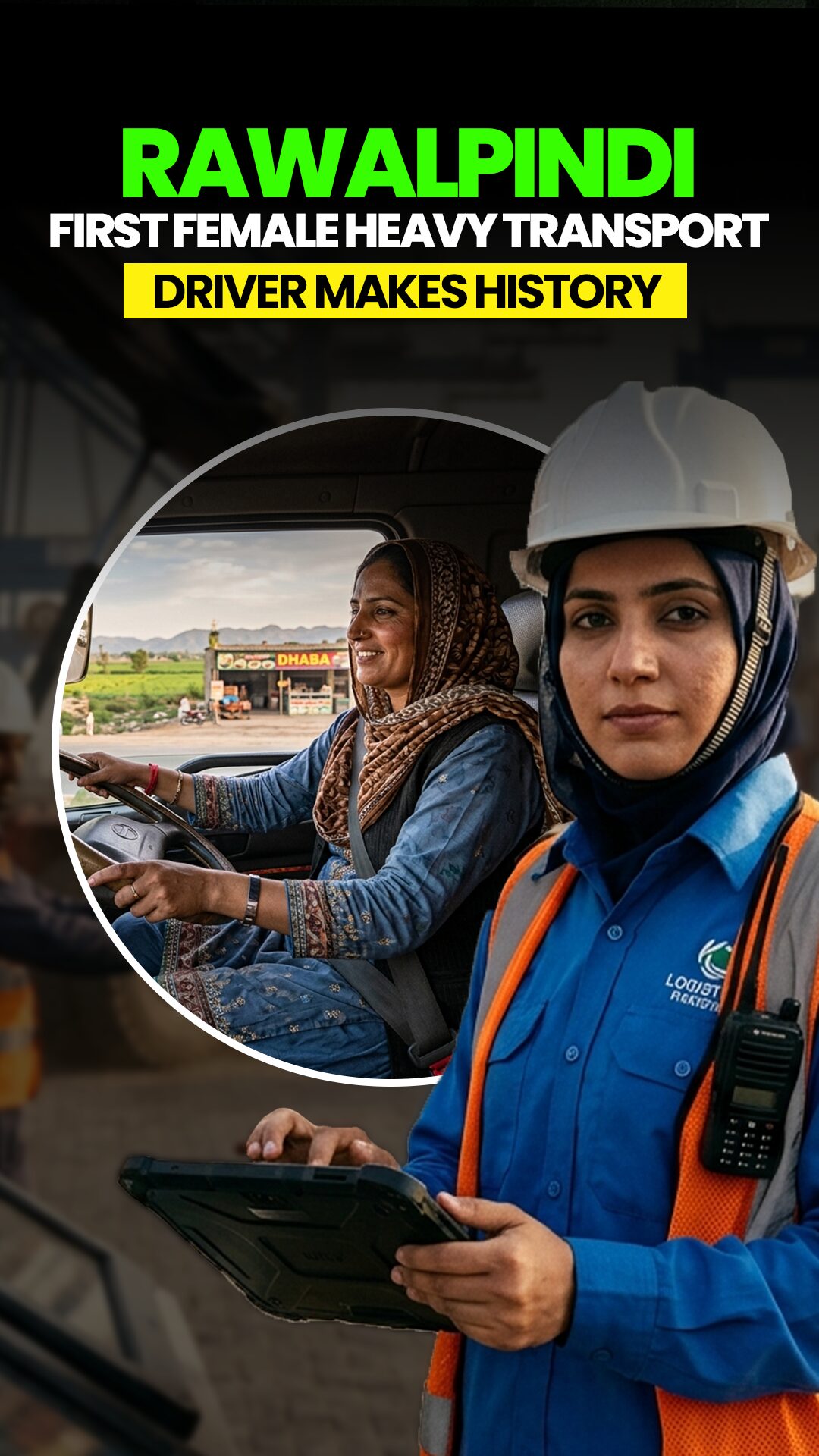
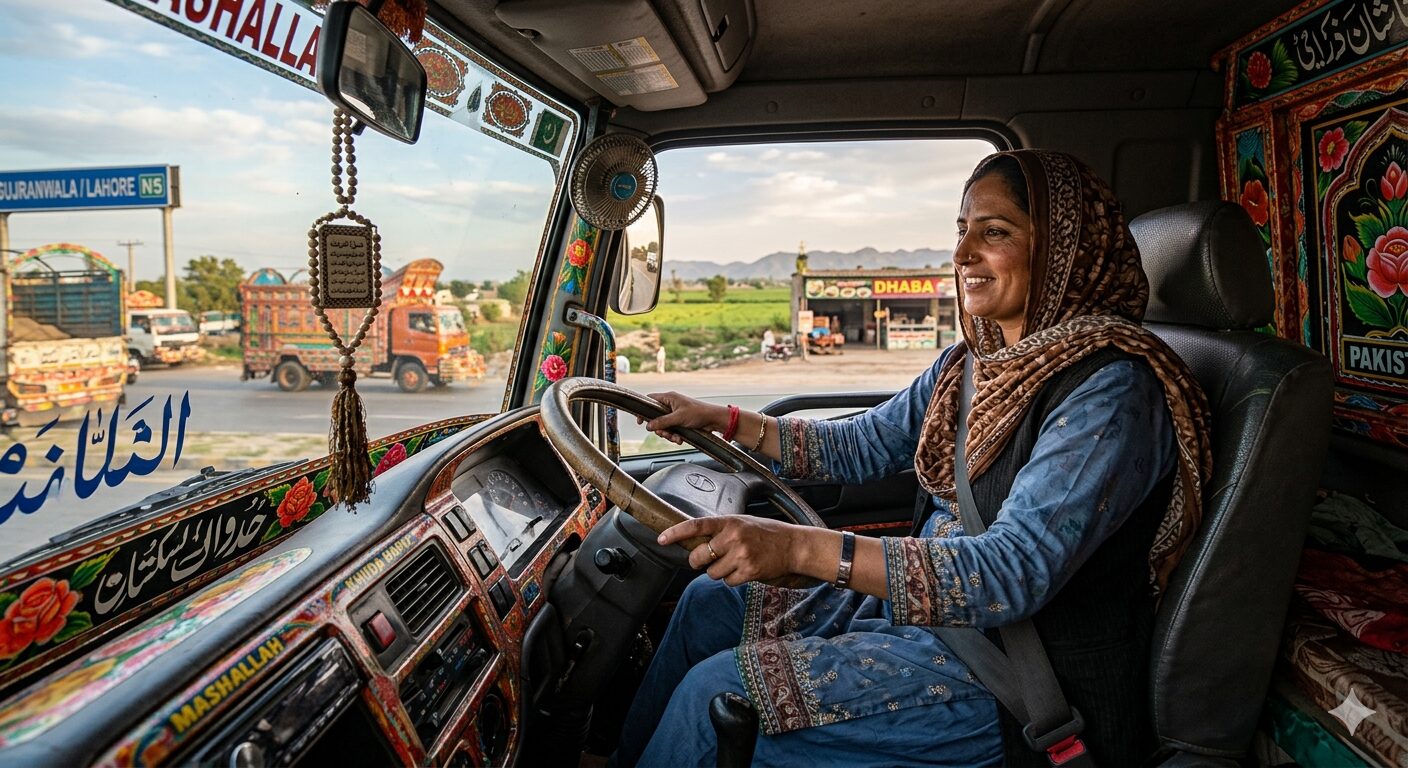
Rawalpindi has made headlines after welcoming its first female heavy transport driver, marking a significant milestone in the city’s transport sector and challenging long-standing gender roles in a traditionally male-dominated profession.
The achievement reflects growing opportunities for women in Pakistan’s workforce, particularly in fields that were previously considered unsuitable or inaccessible.
Officials and observers have described it as a positive sign of social progress and inclusion.

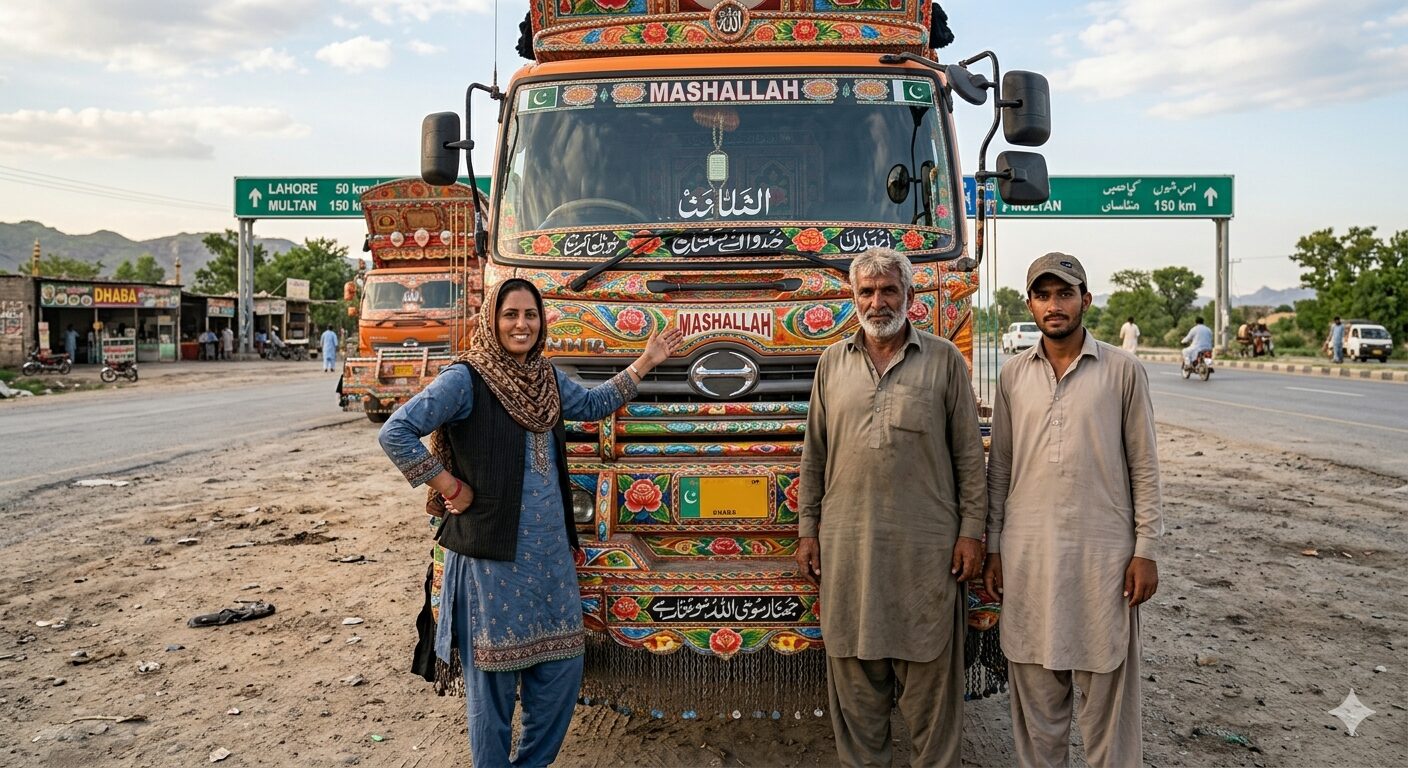
The inclusion of women in heavy transport roles represents a broader shift in Pakistan’s evolving labor market, where more women are entering industries traditionally dominated by men.
This development highlights increasing efforts by public and private sectors to break stereotypes and encourage women to participate in logistics, driving, and technical professions.
Training programs, licensing access, and supportive workplace policies are being viewed as key factors that can help more women safely enter high-risk and skill-based transportation jobs.
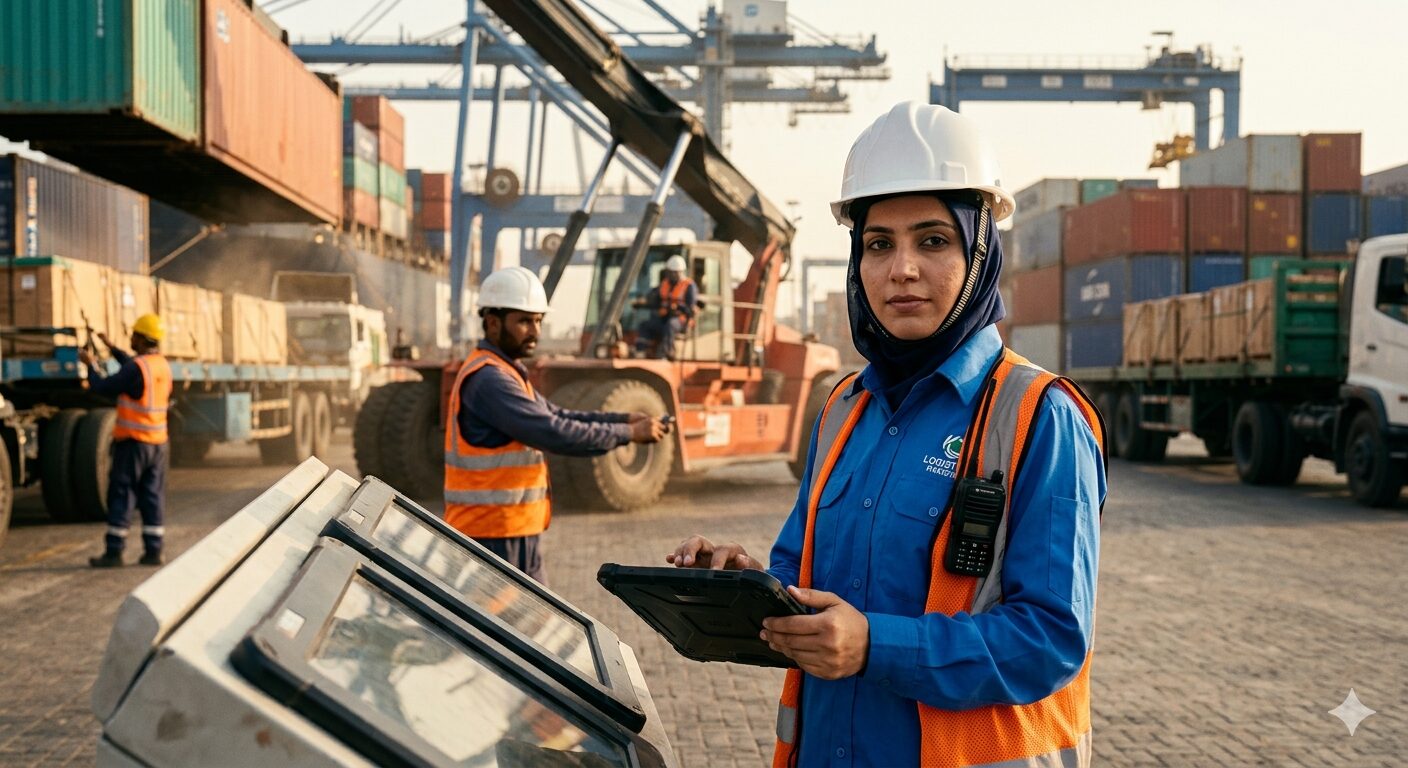
The appointment of a female heavy transport driver in Rawalpindi has sparked discussions about breaking cultural barriers and expanding professional opportunities for women across various sectors.
It demonstrates how changing attitudes are gradually reshaping employment norms, allowing women to enter roles once considered physically demanding or socially unconventional.
With increasing awareness, training facilities, and government support, more women are expected to pursue careers in transport, logistics, and other skilled professions.
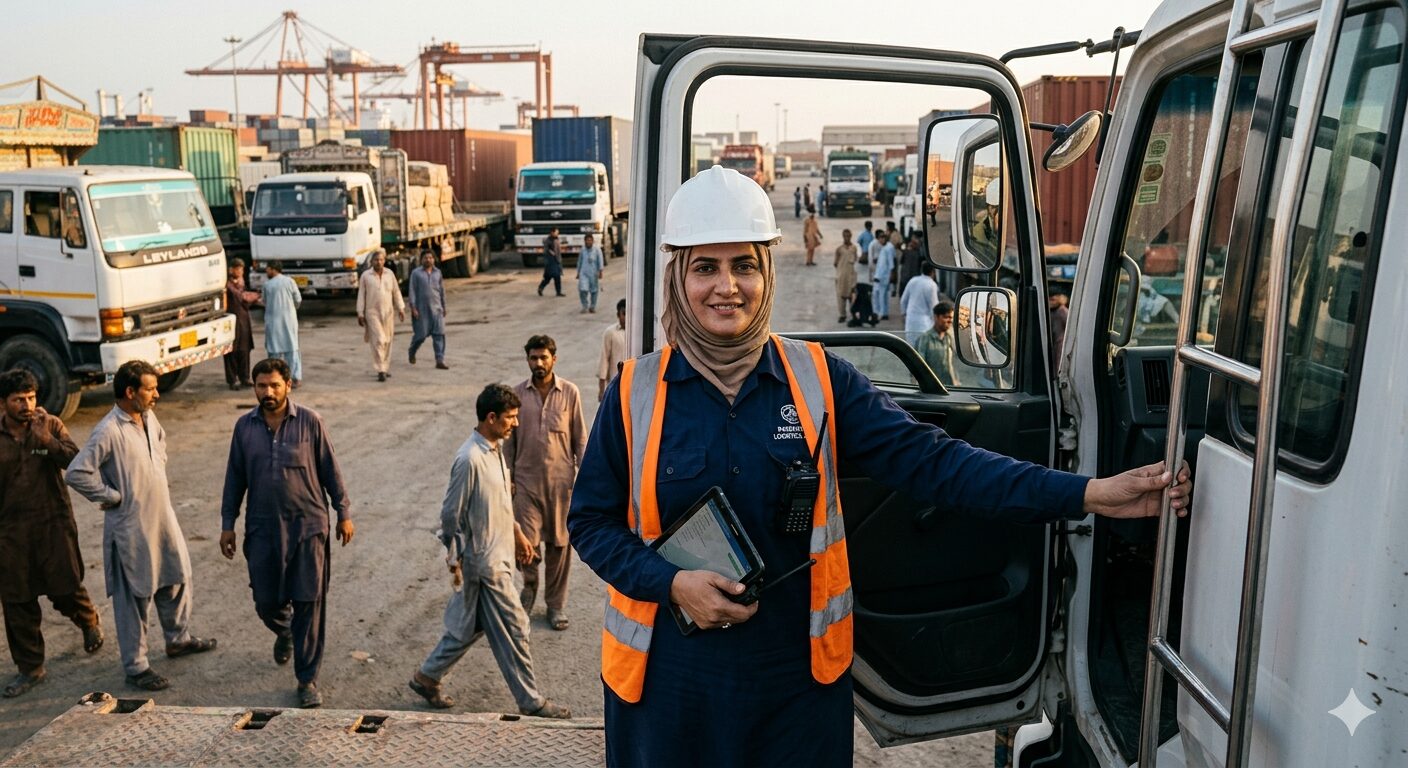
This milestone is being viewed as a positive indicator of increasing female participation in Pakistan’s transportation and logistics industry.
Experts believe that consistent policy support, safety measures, and skill development programs are essential for sustaining this progress and encouraging more women to join similar fields.
As awareness grows, institutions are expected to expand training opportunities and create more inclusive environments that enable women to thrive in high-demand sectors.
Rawalpindi has made headlines after welcoming its first female heavy transport driver, marking a significant milestone in the city’s transport sector and challenging long-standing gender roles in a traditionally male-dominated profession.
Rawalpindi has made headlines after welcoming its first female heavy transport driver, marking a significant milestone in the city’s transport sector and challenging long-standing gender roles in a traditionally male-dominated profession.
The achievement reflects growing opportunities for women in Pakistan’s workforce, particularly in fields that were previously considered unsuitable or inaccessible.
Officials and observers have described it as a positive sign of social progress and inclusion.
The inclusion of women in heavy transport roles represents a broader shift in Pakistan’s evolving labor market, where more women are entering industries traditionally dominated by men.
This development highlights increasing efforts by public and private sectors to break stereotypes and encourage women to participate in logistics, driving, and technical professions.
Training programs, licensing access, and supportive workplace policies are being viewed as key factors that can help more women safely enter high-risk and skill-based transportation jobs.
The appointment of a female heavy transport driver in Rawalpindi has sparked discussions about breaking cultural barriers and expanding professional opportunities for women across various sectors.
It demonstrates how changing attitudes are gradually reshaping employment norms, allowing women to enter roles once considered physically demanding or socially unconventional.
With increasing awareness, training facilities, and government support, more women are expected to pursue careers in transport, logistics, and other skilled professions.
This milestone is being viewed as a positive indicator of increasing female participation in Pakistan’s transportation and logistics industry.
Experts believe that consistent policy support, safety measures, and skill development programs are essential for sustaining this progress and encouraging more women to join similar fields.
As awareness grows, institutions are expected to expand training opportunities and create more inclusive environments that enable women to thrive in high-demand sectors.