Pakistani Researchers Shine at Nanjing Forum on AI and Green Sustainability
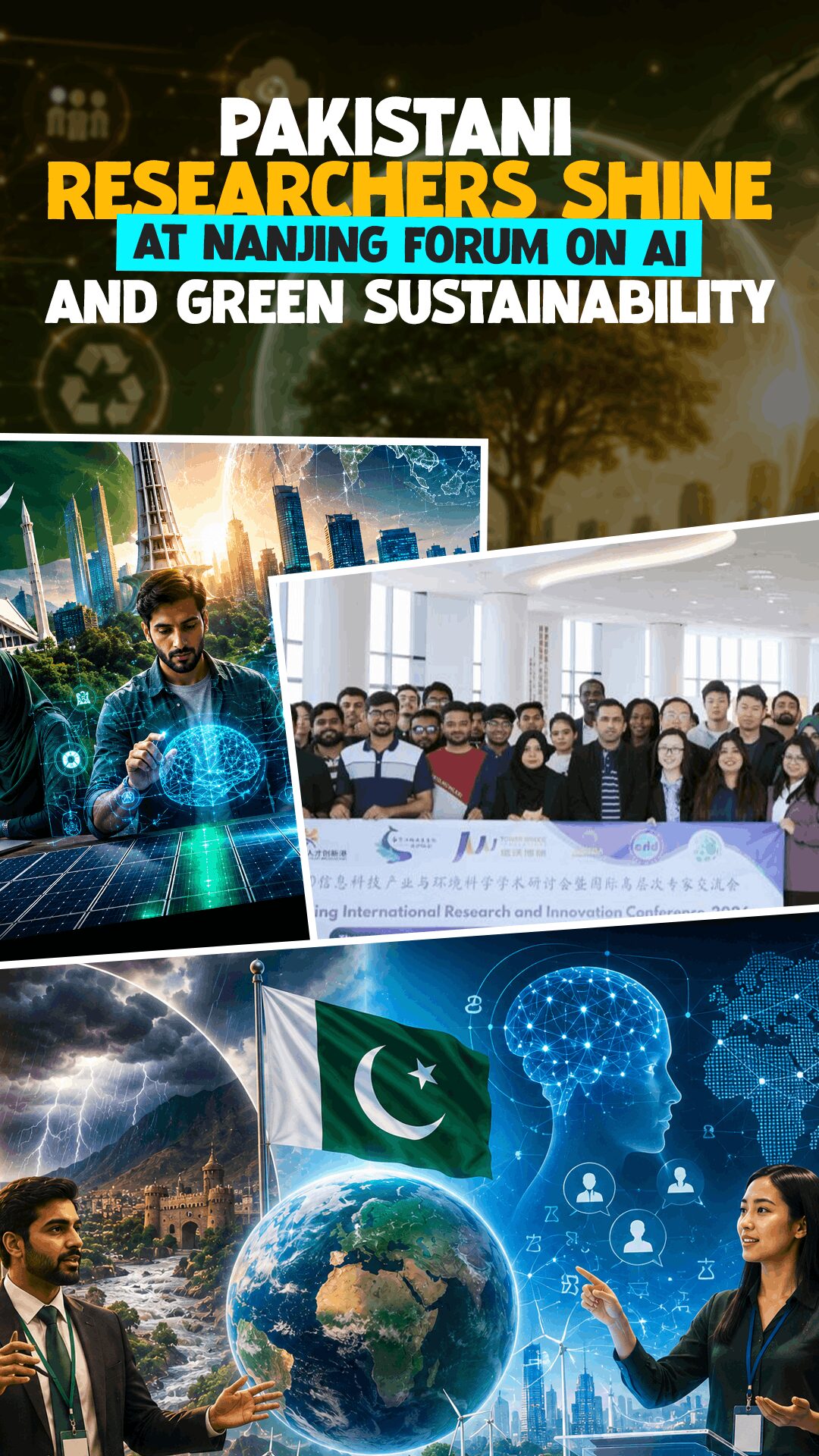
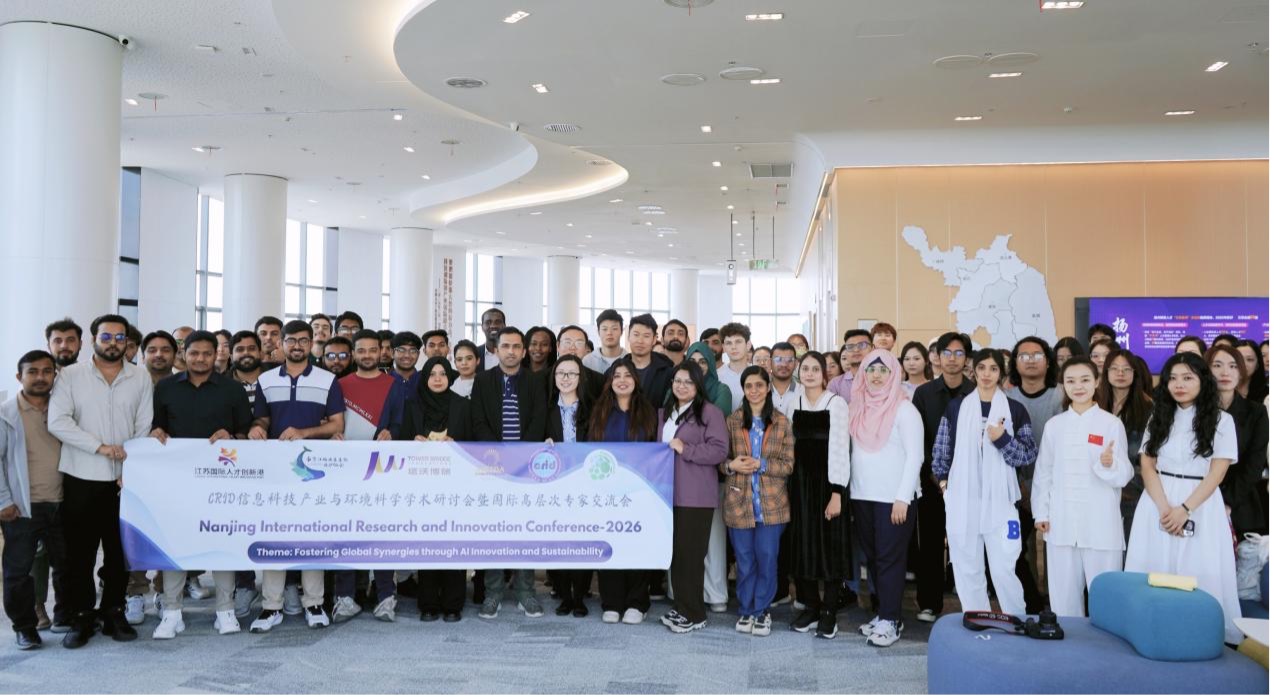
Pakistani researchers and scholars actively participated in a major international forum in Nanjing, China, dedicated to Artificial Intelligence (AI) and green sustainability.
The event gathered experts from several countries to share knowledge and research findings. Nanjing served as a key global hub for academic exchange during the forum.
Discussions focused on how AI technologies can support environmental protection and sustainable development.
Participants highlighted the importance of strengthening global research collaboration to address climate change challenges.

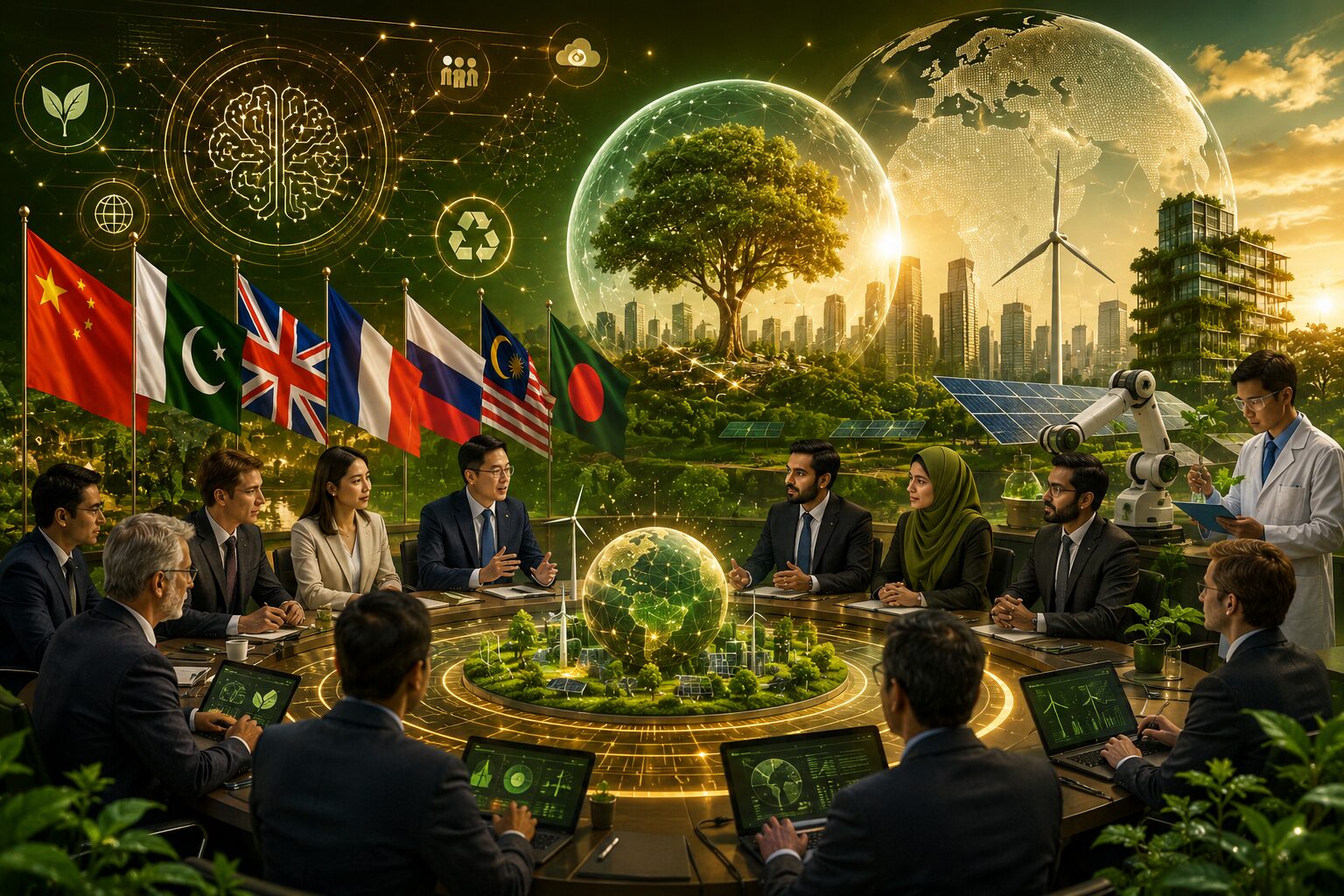
The CRID International Symposium & Experts Forum focused on the role of Artificial Intelligence (AI) in advancing climate action, green transformation, and long-term sustainability goals.
Experts explored how emerging technologies can be aligned with environmental priorities.
Participants discussed integrating information technology with environmental science to design practical solutions for carbon reduction, energy efficiency, and climate resilience.
The dialogue emphasized innovation-driven strategies that can support both economic growth and environmental protection.

Pakistani scholars presented significant research contributions at the forum, highlighting both environmental and linguistic studies.
One researcher examined increasing climate risks in Peshawar, linking extreme weather patterns to
heat and moisture interactions affecting local ecosystems and urban resilience.
Another scholar from Nanjing presented research in linguistics and semantics, focusing on how language structures can enhance AI-driven communication systems.
The study also explored cross-cultural understanding, emphasizing how language technology can improve.

The forum introduced new initiatives designed to support youth innovation, including the SCO Youth Entrepreneurship Incubator, aimed at encouraging young researchers and entrepreneurs from member countries, including Pakistan.
A global research collaboration platform was also launched to strengthen academic exchange and promote joint innovation projects.
These initiatives aim to transform research ideas into practical solutions by connecting young talent with international mentors, funding opportunities, and cross-border scientific networks for long-term development impact.

The participation of Pakistani researchers reflects the country’s expanding presence in global discussions on Artificial Intelligence, climate change, and sustainable development.
Their involvement in international forums demonstrates increasing recognition of Pakistan’s academic and scientific contributions in emerging fields.
Such platforms provide access to advanced research tools, global expertise, and cross-border collaboration opportunities.
They also help build stronger academic linkages, encourage knowledge exchange, and support innovation-driven growth.
Pakistani researchers and scholars actively participated in a major international forum in Nanjing, China, dedicated to Artificial Intelligence (AI) and green sustainability.
Pakistani researchers and scholars actively participated in a major international forum in Nanjing, China, dedicated to Artificial Intelligence (AI) and green sustainability.
The event gathered experts from several countries to share knowledge and research findings. Nanjing served as a key global hub for academic exchange during the forum.
Discussions focused on how AI technologies can support environmental protection and sustainable development.
Participants highlighted the importance of strengthening global research collaboration to address climate change challenges.
The CRID International Symposium & Experts Forum focused on the role of Artificial Intelligence (AI) in advancing climate action, green transformation, and long-term sustainability goals.
Experts explored how emerging technologies can be aligned with environmental priorities.
Participants discussed integrating information technology with environmental science to design practical solutions for carbon reduction, energy efficiency, and climate resilience.
The dialogue emphasized innovation-driven strategies that can support both economic growth and environmental protection.
Pakistani scholars presented significant research contributions at the forum, highlighting both environmental and linguistic studies.
One researcher examined increasing climate risks in Peshawar, linking extreme weather patterns to
heat and moisture interactions affecting local ecosystems and urban resilience.
Another scholar from Nanjing presented research in linguistics and semantics, focusing on how language structures can enhance AI-driven communication systems.
The study also explored cross-cultural understanding, emphasizing how language technology can improve.
The forum introduced new initiatives designed to support youth innovation, including the SCO Youth Entrepreneurship Incubator, aimed at encouraging young researchers and entrepreneurs from member countries, including Pakistan.
A global research collaboration platform was also launched to strengthen academic exchange and promote joint innovation projects.
These initiatives aim to transform research ideas into practical solutions by connecting young talent with international mentors, funding opportunities, and cross-border scientific networks for long-term development impact.
The participation of Pakistani researchers reflects the country’s expanding presence in global discussions on Artificial Intelligence, climate change, and sustainable development.
Their involvement in international forums demonstrates increasing recognition of Pakistan’s academic and scientific contributions in emerging fields.
Such platforms provide access to advanced research tools, global expertise, and cross-border collaboration opportunities.
They also help build stronger academic linkages, encourage knowledge exchange, and support innovation-driven growth.