5 Must-Read Pakistani Books That Define Literature, Society & Identity
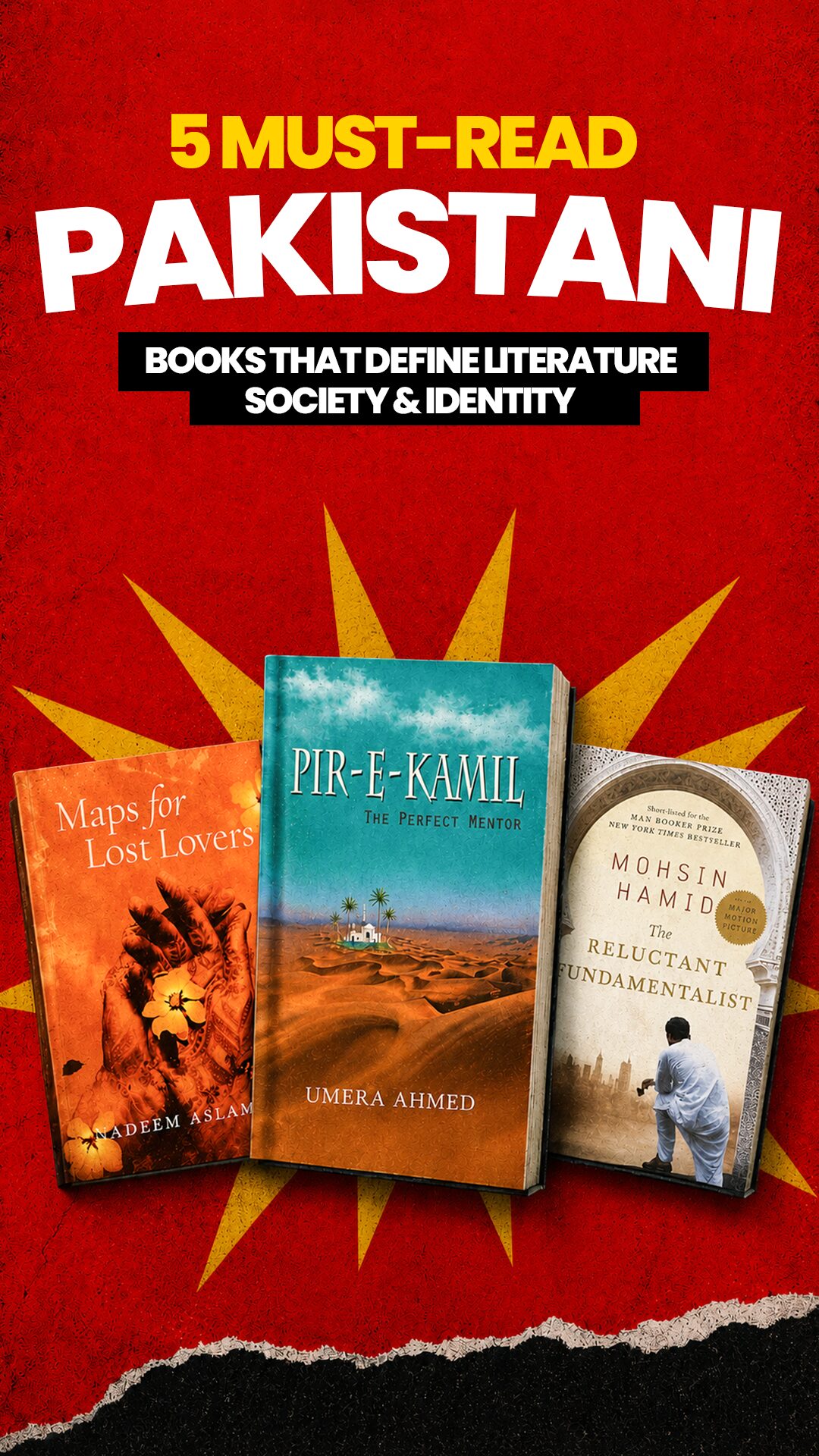
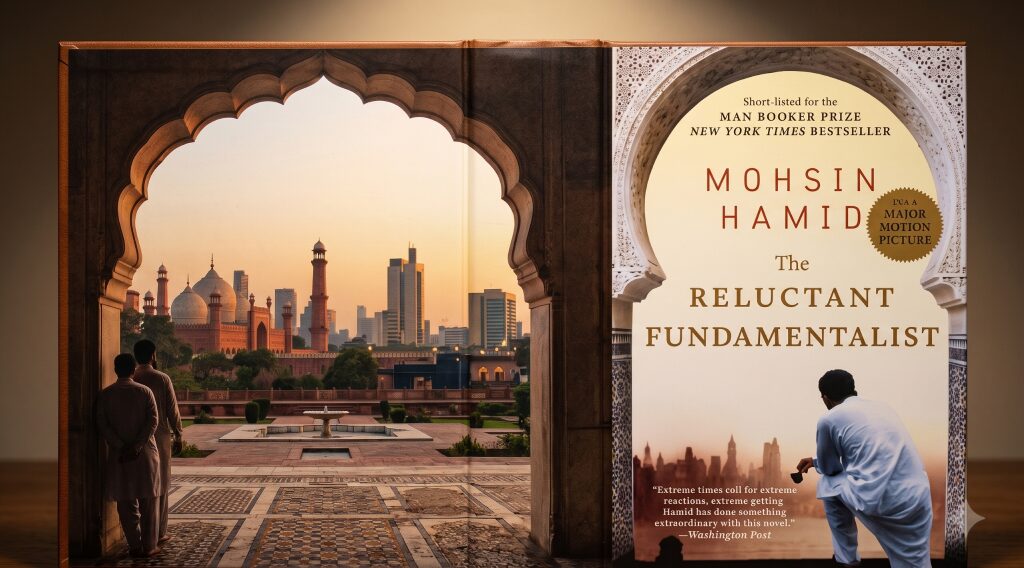
The Reluctant Fundamentalist by Mohsin Hamid is a powerful English-language novella that explores identity, migration, and belonging through a deeply personal narrative.
It is written in a monologue style where a Pakistani man narrates his experiences to an unnamed American listener in a café.
The story follows his life in New York before and after the 9/11 attacks, showing how global politics can reshape personal identity and relationships.
It captures emotional conflict, cultural displacement, and shifting perceptions of home and belonging.

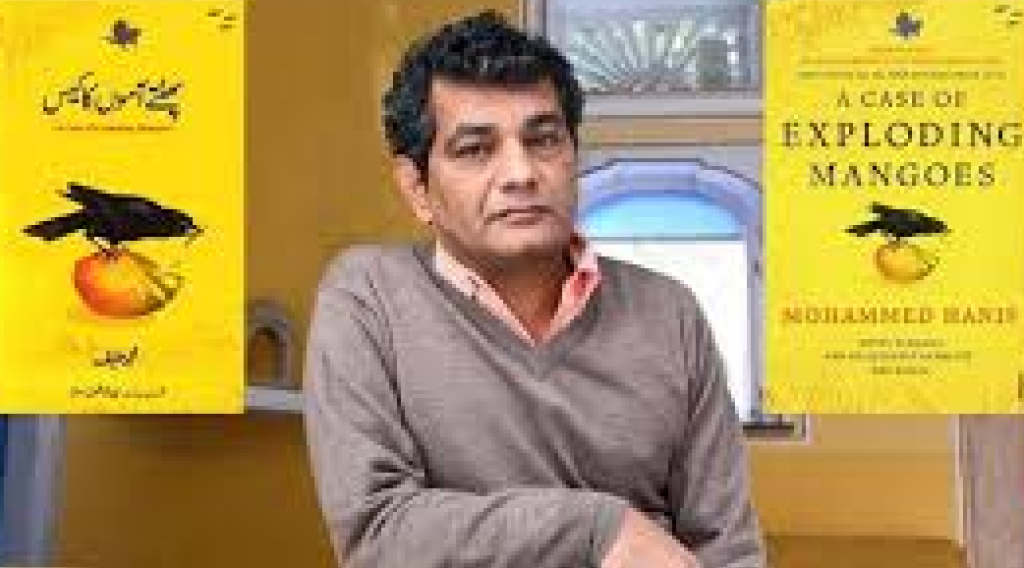
A Case of Exploding Mangoes by Mohammed Hanif is a darkly humorous English novel that blends political satire with historical fiction.
It is inspired by the mysterious 1988 plane crash that killed General Zia-ul-Haq, reimagined through fiction, conspiracy, and absurd comedy.
The novel explores military politics, intelligence agencies, and power struggles in Pakistan, while using satire to highlight serious historical and political realities. Its storytelling is sharp, unpredictable, and engaging.
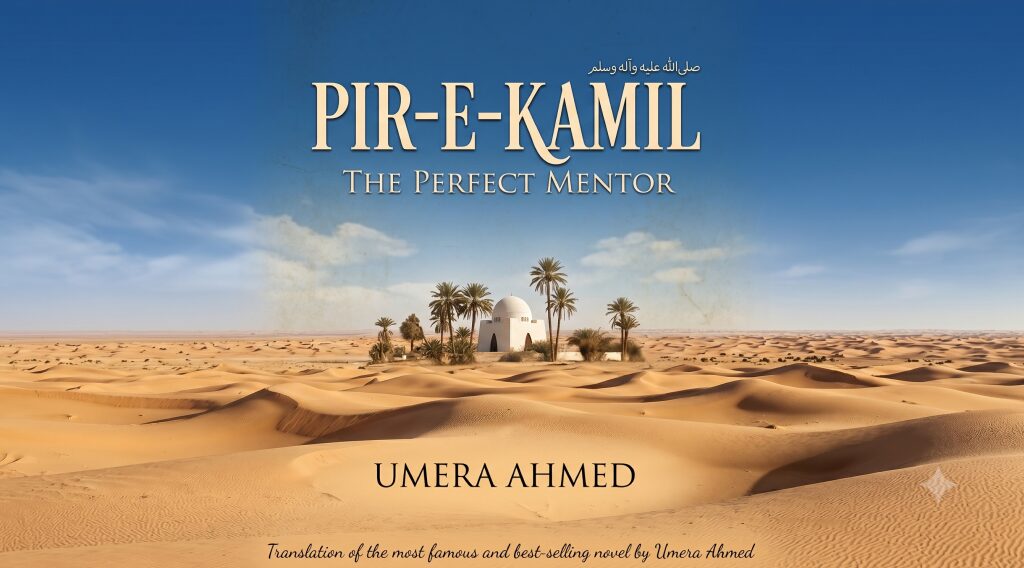
Peer-e-Kamil by Umera Ahmed is one of the most influential Urdu novels in Pakistan, known for its spiritual depth and emotional storytelling.
It follows the journey of two individuals: a troubled runaway girl and a highly intelligent yet deeply religious young man.
The novel explores transformation, faith, repentance, and the search for purpose in life. It shows how personal struggles and life experiences shape spiritual awakening and self-realization.
Its powerful narrative and emotional impact have made it a widely loved modern classic among Urdu readers of all ages.
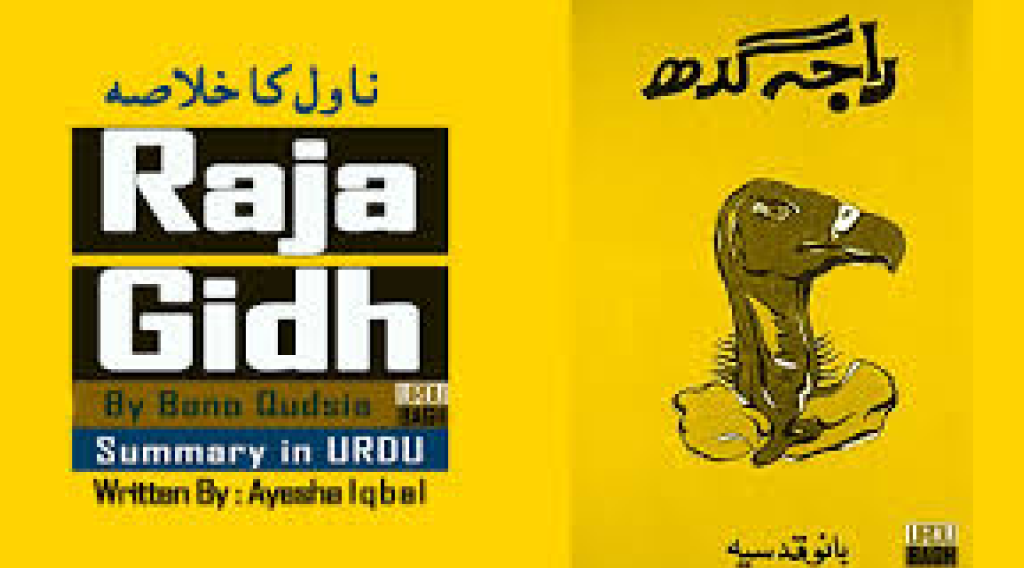
Raja Gidh by Bano Qudsia is a profound psychological and philosophical Urdu novel that explores morality, desire, and the consequences of ethical choices.
It is considered a masterpiece of modern Urdu literature with deep symbolic meaning. The story focuses on human emotions, spiritual decline, and the idea of halal and haram in both physical and moral contexts.
It uses metaphor and philosophical dialogue to reflect inner conflict and societal behavior. The novel remains a timeless reflection on psychology, morality, and human consequences.
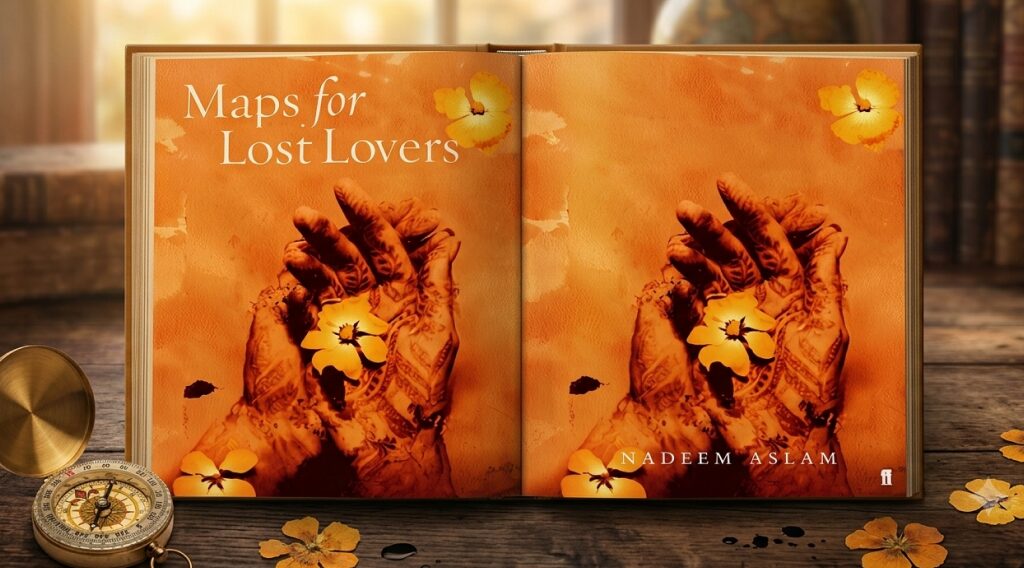
Maps for Lost Lovers by Nadeem Aslam is a critically acclaimed English novel that explores love, identity, and cultural conflict within a British-Pakistani immigrant community.
It is known for its poetic writing style and emotional depth. The story revolves around a missing couple and the lives affected by their disappearance, revealing themes of honor, tradition, and societal pressure.
It highlights the challenges of balancing cultural roots with modern life. The novel beautifully captures human relationships and emotional struggles across cultural boundaries and generations
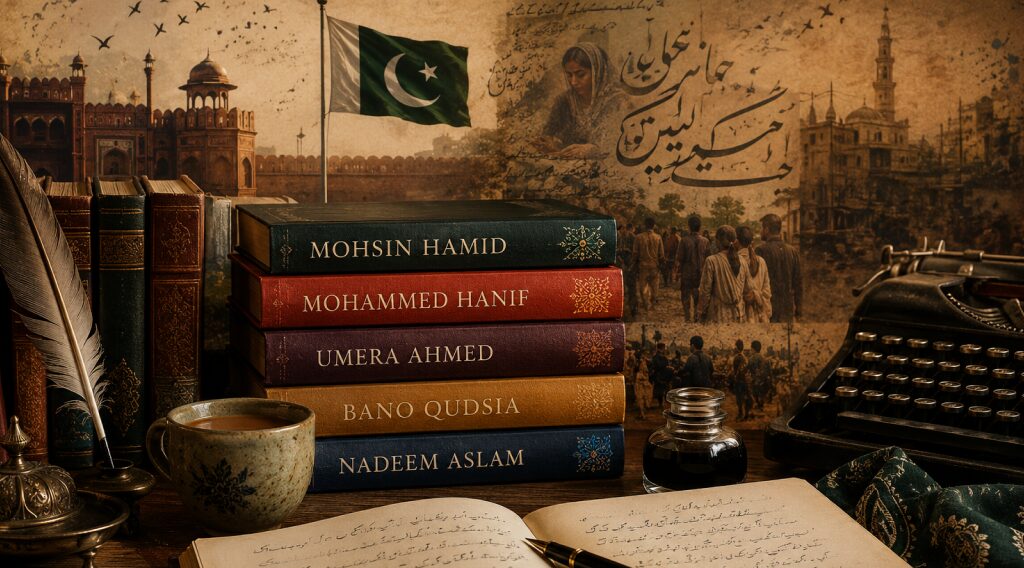
Pakistani literature represents a powerful combination of Urdu and English storytelling that reflects the country’s cultural, social, and historical identity.
These works explore themes of love, morality, politics, migration, and spirituality in deeply meaningful ways.
Authors such as Mohsin Hamid, Mohammed Hanif, Umera Ahmed, Bano Qudsia, and Nadeem Aslam have contributed significantly to global literary recognition of Pakistan.
Their writing connects local experiences with universal human emotions.
The Reluctant Fundamentalist by Mohsin Hamid is a powerful English-language novella that explores identity, migration, and belonging through a deeply personal narrative.
The Reluctant Fundamentalist by Mohsin Hamid is a powerful English-language novella that explores identity, migration, and belonging through a deeply personal narrative.
It is written in a monologue style where a Pakistani man narrates his experiences to an unnamed American listener in a café.
The story follows his life in New York before and after the 9/11 attacks, showing how global politics can reshape personal identity and relationships.
It captures emotional conflict, cultural displacement, and shifting perceptions of home and belonging.
A Case of Exploding Mangoes by Mohammed Hanif is a darkly humorous English novel that blends political satire with historical fiction.
It is inspired by the mysterious 1988 plane crash that killed General Zia-ul-Haq, reimagined through fiction, conspiracy, and absurd comedy.
The novel explores military politics, intelligence agencies, and power struggles in Pakistan, while using satire to highlight serious historical and political realities. Its storytelling is sharp, unpredictable, and engaging.
Peer-e-Kamil by Umera Ahmed is one of the most influential Urdu novels in Pakistan, known for its spiritual depth and emotional storytelling.
It follows the journey of two individuals: a troubled runaway girl and a highly intelligent yet deeply religious young man.
The novel explores transformation, faith, repentance, and the search for purpose in life. It shows how personal struggles and life experiences shape spiritual awakening and self-realization.
Its powerful narrative and emotional impact have made it a widely loved modern classic among Urdu readers of all ages.
Raja Gidh by Bano Qudsia is a profound psychological and philosophical Urdu novel that explores morality, desire, and the consequences of ethical choices.
It is considered a masterpiece of modern Urdu literature with deep symbolic meaning. The story focuses on human emotions, spiritual decline, and the idea of halal and haram in both physical and moral contexts.
It uses metaphor and philosophical dialogue to reflect inner conflict and societal behavior. The novel remains a timeless reflection on psychology, morality, and human consequences.
Maps for Lost Lovers by Nadeem Aslam is a critically acclaimed English novel that explores love, identity, and cultural conflict within a British-Pakistani immigrant community.
It is known for its poetic writing style and emotional depth. The story revolves around a missing couple and the lives affected by their disappearance, revealing themes of honor, tradition, and societal pressure.
It highlights the challenges of balancing cultural roots with modern life. The novel beautifully captures human relationships and emotional struggles across cultural boundaries and generations
Pakistani literature represents a powerful combination of Urdu and English storytelling that reflects the country’s cultural, social, and historical identity.
These works explore themes of love, morality, politics, migration, and spirituality in deeply meaningful ways.
Authors such as Mohsin Hamid, Mohammed Hanif, Umera Ahmed, Bano Qudsia, and Nadeem Aslam have contributed significantly to global literary recognition of Pakistan.
Their writing connects local experiences with universal human emotions.