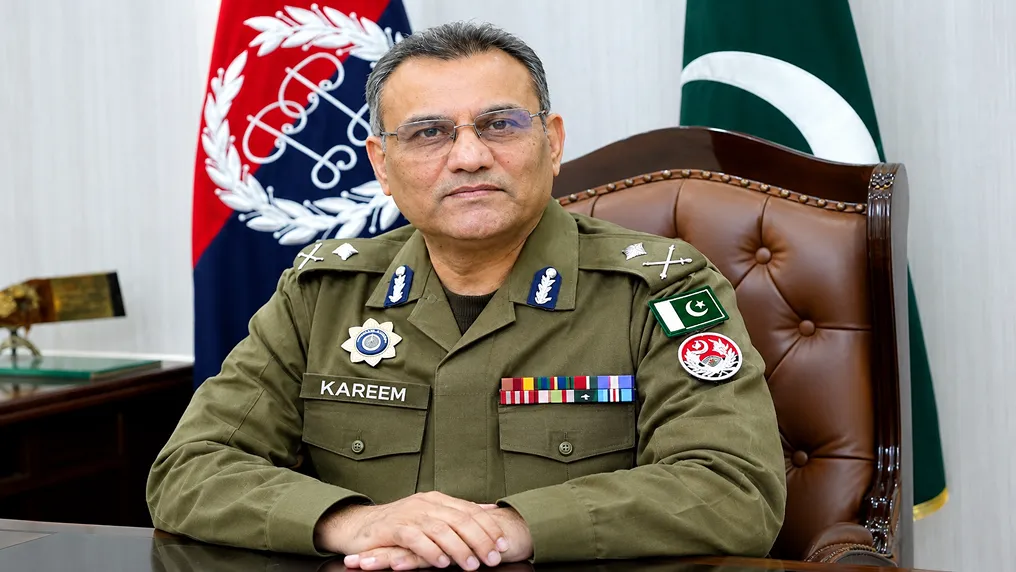
Punjab Police has taken disciplinary action against 588 officers and personnel following investigations into alleged corruption and misconduct. The action was reported on September 14 under Inspector General Punjab Rao Abdul Karim.
The cases emerged through a combination of 185 intelligence reports and 69 complaints submitted by citizens, giving both internal monitoring and public feedback a role in the process.

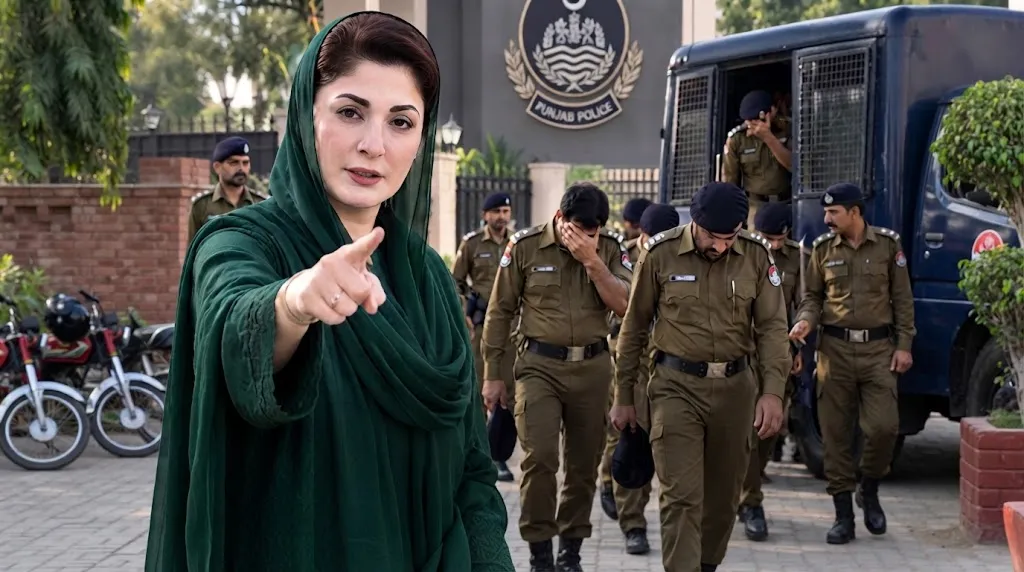
The disciplinary proceedings were not limited to a single area. Lahore recorded 56 cases, the highest number reported, followed by Rahim Yar Khan with 37, Multan with 30, Nankana Sahib with 27 and Bhakkar with 25.
The action also involved personnel at different levels of the police structure. Those facing disciplinary proceedings included 154 sub inspectors, 123 assistant sub inspectors, 52 head constables, 147 constables and 44 traffic police officials.
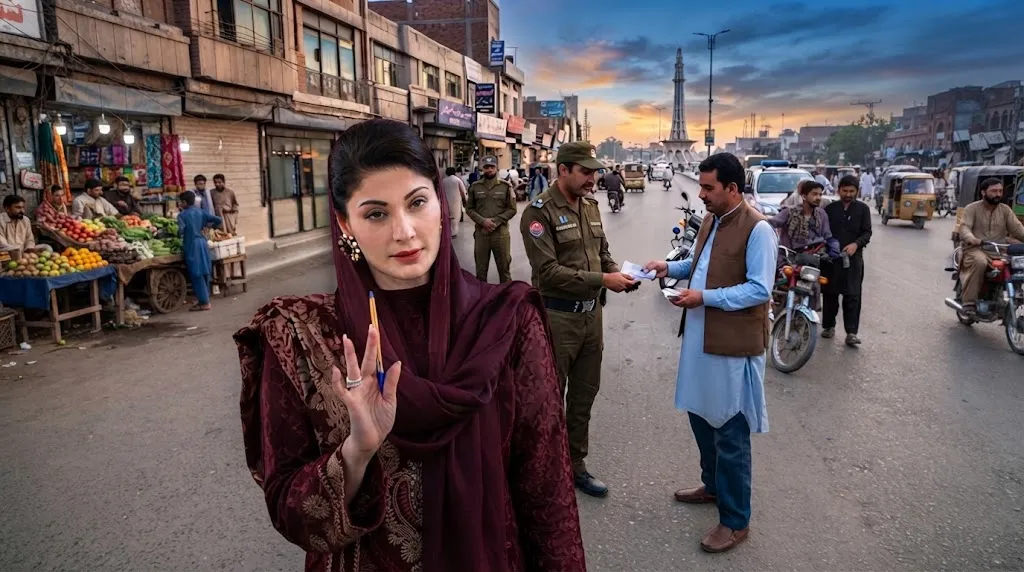
Alongside the disciplinary proceedings, the Punjab police leadership has ordered stronger monitoring at police stations and licensing offices. The objective is to increase oversight and identify irregularities more quickly.
The use of intelligence reports alongside citizen complaints also highlights the role of reporting mechanisms in bringing alleged misconduct to the attention of authorities. For the public, accessible complaint channels can provide an additional way to flag concerns about police conduct.
The latest action is part of an internal accountability effort within Punjab Police.
Punjab Police has taken disciplinary action against 588 officers and personnel following investigations into alleged corruption and misconduct.
Punjab Police has taken disciplinary action against 588 officers and personnel following investigations into alleged corruption and misconduct. The action was reported on September 14 under Inspector General Punjab Rao Abdul Karim.
The cases emerged through a combination of 185 intelligence reports and 69 complaints submitted by citizens, giving both internal monitoring and public feedback a role in the process.
The disciplinary proceedings were not limited to a single area. Lahore recorded 56 cases, the highest number reported, followed by Rahim Yar Khan with 37, Multan with 30, Nankana Sahib with 27 and Bhakkar with 25.
The action also involved personnel at different levels of the police structure. Those facing disciplinary proceedings included 154 sub inspectors, 123 assistant sub inspectors, 52 head constables, 147 constables and 44 traffic police officials.
Alongside the disciplinary proceedings, the Punjab police leadership has ordered stronger monitoring at police stations and licensing offices. The objective is to increase oversight and identify irregularities more quickly.
The use of intelligence reports alongside citizen complaints also highlights the role of reporting mechanisms in bringing alleged misconduct to the attention of authorities. For the public, accessible complaint channels can provide an additional way to flag concerns about police conduct.
The latest action is part of an internal accountability effort within Punjab Police.